THE ADVENTURE COLLECTIVE® · Independent discovery and booking for outdoor travel

Learn spray-can basics on the World Famous Venice Art Walls in a guided 2-hour lesson. This outdoor class covers technique, composition and photos while you paint with the ocean at your back.
Learn spray-can basics on the World Famous Venice Art Walls in a guided 2-hour lesson. This outdoor class covers technique, composition and photos while you paint with the ocean at your back.
You step off Windward Avenue and the air changes: salt, sunscreen and the sharp tang of aerosol paint. The concrete panels of the Venice Art Walls rise like a low urban cliff, a lineup of flat canvases where color meets the Pacific breeze. For two focused hours an experienced street artist guides you through spray technique, composition and finishing touches as the ocean keeps time in the background.
Verified experiences and guided adventures in the surrounding area.
Operated by Dominick Schiano · Los Angeles, California
You step off Windward Avenue and the air changes: salt, sunscreen and the sharp tang of aerosol paint. The concrete panels of the Venice Art Walls rise like a low urban cliff, a lineup of flat canvases where color meets the Pacific breeze. For two focused hours an experienced street artist guides you through spray technique, composition and finishing touches as the ocean keeps time in the background.
Venice Beach has long been a collision point of subcultures — surf, skate and street art — and the walls are part of that living history. Geologically this is a coastal plain of sand and dunes shaped by waves and wind; that exposure means paint and tools dry faster and colors appear brighter in hard sunlight. The scene is local and democratic: tourists and longtime L.A. creatives share space, and etiquette matters as much as technique.
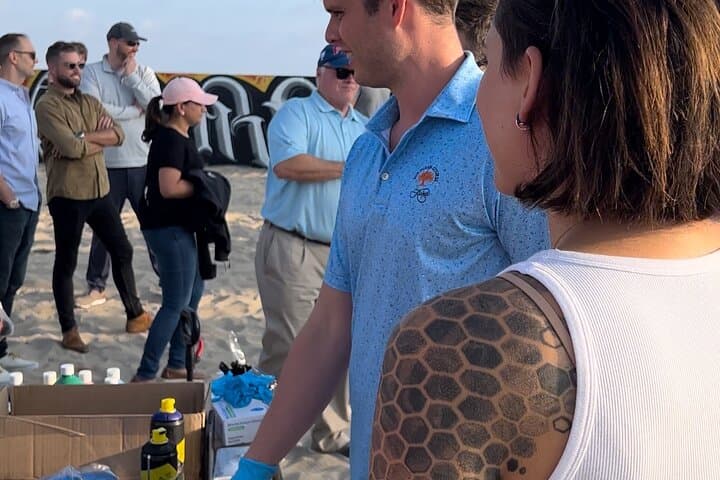
Practicalities are straightforward. Classes run about 2–3 hours, all materials are provided (masks, gloves, sprays and mockups) and instructors tailor the session for beginners through intermediate students. Dress in clothes you won’t mind painting; bring water, sun protection and a small towel for overspray. Public transit and bike access make arrival easier than parking, and plan for late-afternoon or golden-hour light if you want richer photos. Respect existing pieces and community rules — the best souvenir is a photo and the memory of learning a new way to mark a place, not a damaged wall. This is an accessible, social outdoor art lesson that puts you in direct contact with Venice’s public art culture.
easy.
2–3 hours.
Minimal physical exertion; you should be comfortable standing and moving for short periods.
Yes — the session includes spray paint, masks, gloves and mockup materials so you can focus on learning.
Absolutely — instructors teach fundamentals of can control, stenciling and composition for first-time painters.
Strollers are accessible but check with the operator; sessions involve aerosol paint and are not recommended for very young children or pregnant visitors.
The walls are on Windward Avenue near the Venice Beach skatepark and boardwalk; public transit, bikes and ride-shares are the easiest options.
Venice Beach evolved in the early 20th century as a seaside amusement district; the Art Walls later became an accepted outdoor area for legal street art and community expression.
Use of proper disposal for empty cans and minimizing overspray helps protect the beach environment; follow instructor guidance on cleanup and packing out materials.
Dominick Schiano operates guided outdoor trips and adventures with an emphasis on safety, stewardship, and memorable experiences.
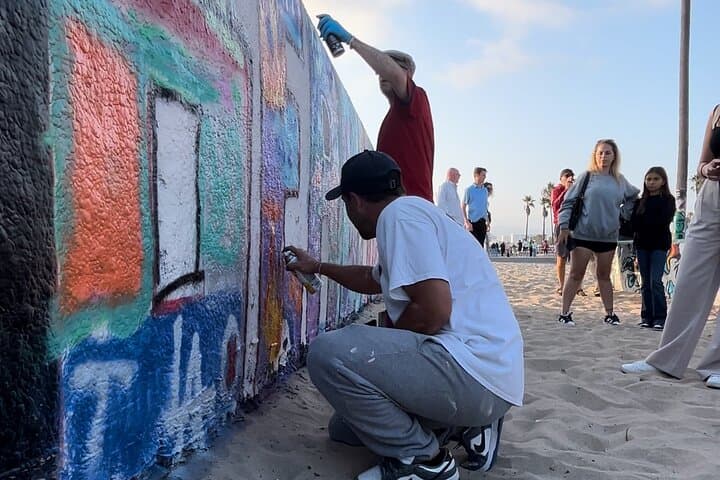
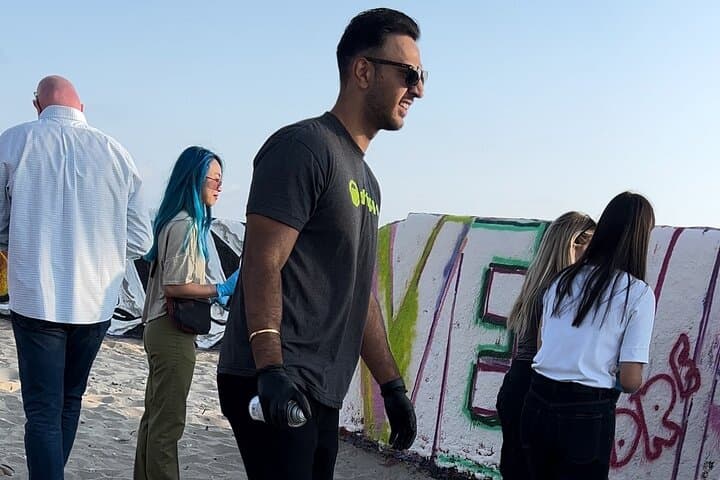
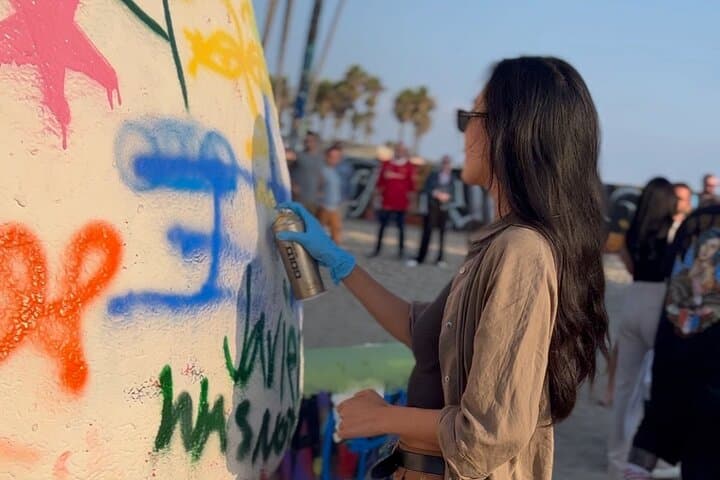
You step off Windward Avenue and the air changes: salt, sunscreen and the sharp tang of aerosol paint. The concrete panels of the Venice Art Walls rise like a low urban cliff, a lineup of flat canvases where color meets the Pacific breeze. For two focused hours an experienced street artist guides you through spray technique, composition and finishing touches as the ocean keeps time in the background.
You step off Windward Avenue and the air changes: salt, sunscreen and the sharp tang of aerosol paint. The concrete panels of the Venice Art Walls rise like a low urban cliff, a lineup of flat canvases where color meets the Pacific breeze. For two focused hours an experienced street artist guides you through spray technique, composition and finishing touches as the ocean keeps time in the background.
Venice Beach has long been a collision point of subcultures — surf, skate and street art — and the walls are part of that living history. Geologically this is a coastal plain of sand and dunes shaped by waves and wind; that exposure means paint and tools dry faster and colors appear brighter in hard sunlight. The scene is local and democratic: tourists and longtime L.A. creatives share space, and etiquette matters as much as technique.
Practicalities are straightforward. Classes run about 2–3 hours, all materials are provided (masks, gloves, sprays and mockups) and instructors tailor the session for beginners through intermediate students. Dress in clothes you won’t mind painting; bring water, sun protection and a small towel for overspray. Public transit and bike access make arrival easier than parking, and plan for late-afternoon or golden-hour light if you want richer photos. Respect existing pieces and community rules — the best souvenir is a photo and the memory of learning a new way to mark a place, not a damaged wall. This is an accessible, social outdoor art lesson that puts you in direct contact with Venice’s public art culture.