THE ADVENTURE COLLECTIVE® · Independent discovery and booking for outdoor travel

Turn Venice into a hands-on scavenger hunt for kids. This three-hour walking game threads the Rialto Markets, ancient wells, and Campo Santa Maria Formosa with puzzles, local stories, and a playful finale at the Arsenale.
Turn Venice into a hands-on scavenger hunt for kids. This three-hour walking game threads the Rialto Markets, ancient wells, and Campo Santa Maria Formosa with puzzles, local stories, and a playful finale at the Arsenale.
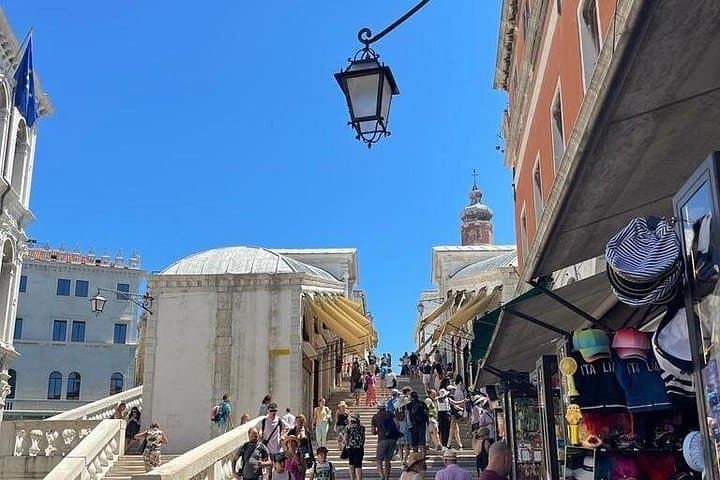
The game begins before you even realize you are playing. A guide waits beside a small bronze figure near the Rialto, voice low and conspiratorial, and the narrow calli of Venice tighten into a playground of clues. Kids press faces to market stalls, noses following the sharp tang of salt and fresh fish, then dart across tiny bridges to peer into a centuries-old well as if it might cough up a secret.
Verified experiences and guided adventures in the surrounding area.
Operated by Private Tours of Venice · Venice, Veneto
The game begins before you even realize you are playing. A guide waits beside a small bronze figure near the Rialto, voice low and conspiratorial, and the narrow calli of Venice tighten into a playground of clues. Kids press faces to market stalls, noses following the sharp tang of salt and fresh fish, then dart across tiny bridges to peer into a centuries-old well as if it might cough up a secret.
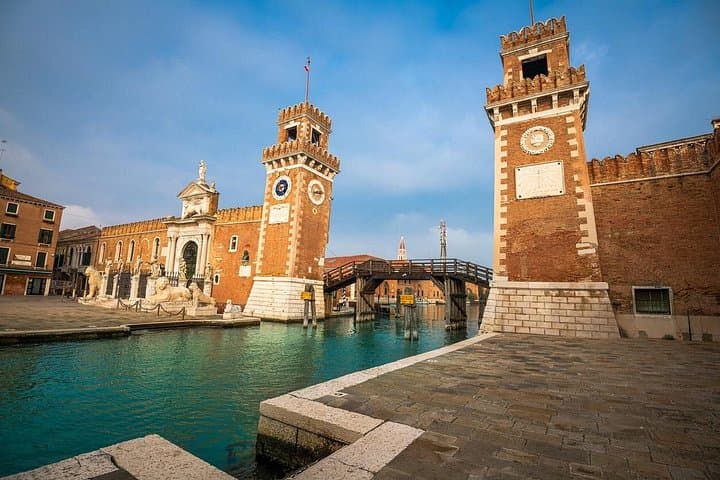
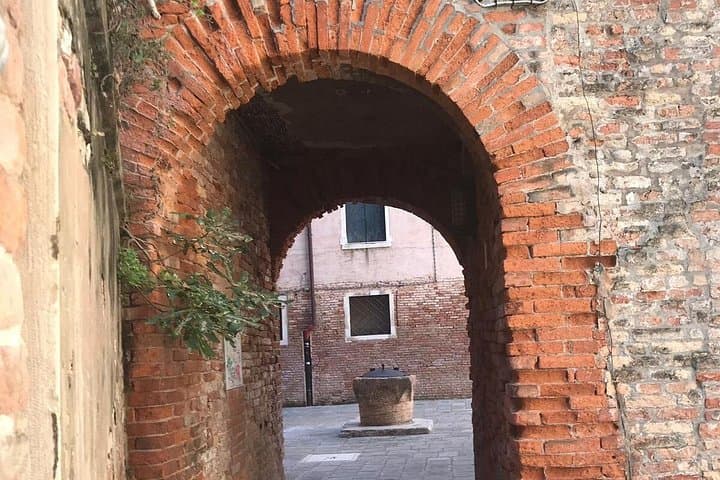
This is not a typical sightseeing march. It’s a treasure-hunt through layers of Venice: the Rialto Markets where merchants have traded since the 11th century; Corte Specchiera, an ancient round well that once drew water for nearby houses; Campo Santa Maria Formosa, a broad square that has hosted bazaars and processions for centuries; and finally the Arsenale, the medieval shipyard that built the galleys powering the Venetian Republic. The route riffs on history—Marco Polo gets name-checked as the archetypal explorer—while giving children practical tasks: spot animals carved in stone, identify creatures in frescoes, and outwit a playful 'monster' who blocks the way.
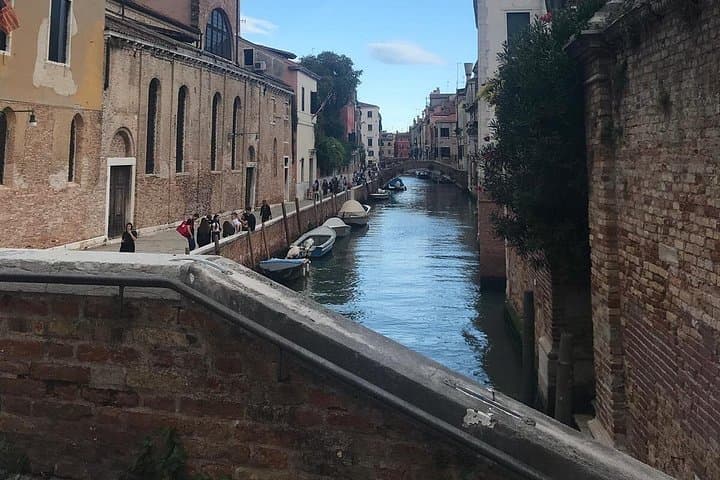
Geology and hydrology define Venice: a low-lying lagoon city built on timber piles and compacted silts. That makes its streets narrow, its surfaces uneven, and its alleys winding like a maze—perfect for a game but one that rewards supervision. Culture here is tactile; vendors shout, gulls wheel, and local fishmongers still fillet catch on wooden tables beneath striped awnings. Guides lean into that texture, translating small details into clues that keep kids engaged.
Practical edge: the walking game runs about three hours and covers flat but cobbled terrain, with frequent stops. It’s stroller-accessible in many sections but expect some pinch points and short flights of steps near bridges. The tour is family-focused and paced for children, but parents should wear sturdy shoes and keep a refillable water bottle handy. Mornings are quieter at the Rialto; late afternoons offer softer light and fewer crowds. Bring a small snack for youngsters—the market offers plenty of choices—and consider booking early in peak season to lock in a preferred start time.
Logistics: meet at the statue specified in the tour notes by the Rialto Market, bring the mobile ticket, and arrive 10 minutes early. The guide provides everything needed to play—maps, simple props, and local stories that make historical facts into challenges. The finale at the Arsenale comes with a surprise suited to children, a small reward for attention and curiosity.
This tour is practical, playful, and rooted in place: a way to see Venice through a child’s eye while learning the stories that have shaped the city’s canals and squares.
easy.
2–3 hours.
Suitable for families with children; light walking on flat but uneven surfaces for up to three hours.
Designed for children aged about 4–12, with activities paced for younger kids; adults accompany and assist younger children.
Meet beside the small bronze statue noted in your booking near the Rialto Markets; arrive 10 minutes early to check in.
Much of the tour is stroller-friendly but expect narrow calli and occasional steps; a compact stroller is recommended.
The tour is typically offered in English; confirm language availability when booking as operators may offer other languages on request.
Yes—market snacks are part of the experience; guides will indicate appropriate moments to pause for a quick bite.
The operator allows cancellation at least 24 hours prior for a full refund and may cancel or reschedule tours in poor weather; dress in layers for light rain.
Rialto has functioned as Venice's commercial heart since the Middle Ages; the Arsenale was the state shipyard that underpinned Venetian naval power.
Venice's lagoon is fragile—avoid feeding wildlife, stick to established paths, and carry out any trash to minimize impact.
Private Tours of Venice operates guided outdoor trips and adventures with an emphasis on safety, stewardship, and memorable experiences.
The game begins before you even realize you are playing. A guide waits beside a small bronze figure near the Rialto, voice low and conspiratorial, and the narrow calli of Venice tighten into a playground of clues. Kids press faces to market stalls, noses following the sharp tang of salt and fresh fish, then dart across tiny bridges to peer into a centuries-old well as if it might cough up a secret.
The game begins before you even realize you are playing. A guide waits beside a small bronze figure near the Rialto, voice low and conspiratorial, and the narrow calli of Venice tighten into a playground of clues. Kids press faces to market stalls, noses following the sharp tang of salt and fresh fish, then dart across tiny bridges to peer into a centuries-old well as if it might cough up a secret.
This is not a typical sightseeing march. It’s a treasure-hunt through layers of Venice: the Rialto Markets where merchants have traded since the 11th century; Corte Specchiera, an ancient round well that once drew water for nearby houses; Campo Santa Maria Formosa, a broad square that has hosted bazaars and processions for centuries; and finally the Arsenale, the medieval shipyard that built the galleys powering the Venetian Republic. The route riffs on history—Marco Polo gets name-checked as the archetypal explorer—while giving children practical tasks: spot animals carved in stone, identify creatures in frescoes, and outwit a playful 'monster' who blocks the way.
Geology and hydrology define Venice: a low-lying lagoon city built on timber piles and compacted silts. That makes its streets narrow, its surfaces uneven, and its alleys winding like a maze—perfect for a game but one that rewards supervision. Culture here is tactile; vendors shout, gulls wheel, and local fishmongers still fillet catch on wooden tables beneath striped awnings. Guides lean into that texture, translating small details into clues that keep kids engaged.
Practical edge: the walking game runs about three hours and covers flat but cobbled terrain, with frequent stops. It’s stroller-accessible in many sections but expect some pinch points and short flights of steps near bridges. The tour is family-focused and paced for children, but parents should wear sturdy shoes and keep a refillable water bottle handy. Mornings are quieter at the Rialto; late afternoons offer softer light and fewer crowds. Bring a small snack for youngsters—the market offers plenty of choices—and consider booking early in peak season to lock in a preferred start time.
Logistics: meet at the statue specified in the tour notes by the Rialto Market, bring the mobile ticket, and arrive 10 minutes early. The guide provides everything needed to play—maps, simple props, and local stories that make historical facts into challenges. The finale at the Arsenale comes with a surprise suited to children, a small reward for attention and curiosity.
This tour is practical, playful, and rooted in place: a way to see Venice through a child’s eye while learning the stories that have shaped the city’s canals and squares.