THE ADVENTURE COLLECTIVE® · Independent discovery and booking for outdoor travel

Climb from Fortica to Brasina on Velež Mountain for sweeping valley views and a visit to a 50m-deep former Yugoslav army shelter. This moderate, full-day hike blends raw karst terrain, wartime history and panoramic vistas above Mostar.
Climb from Fortica to Brasina on Velež Mountain for sweeping valley views and a visit to a 50m-deep former Yugoslav army shelter. This moderate, full-day hike blends raw karst terrain, wartime history and panoramic vistas above Mostar.
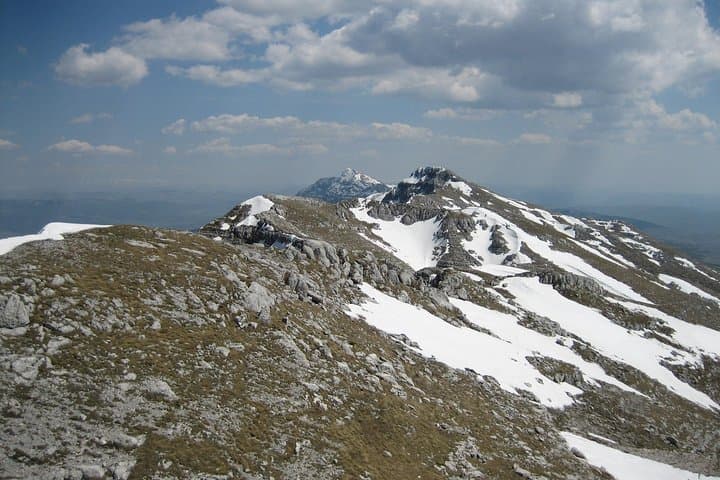
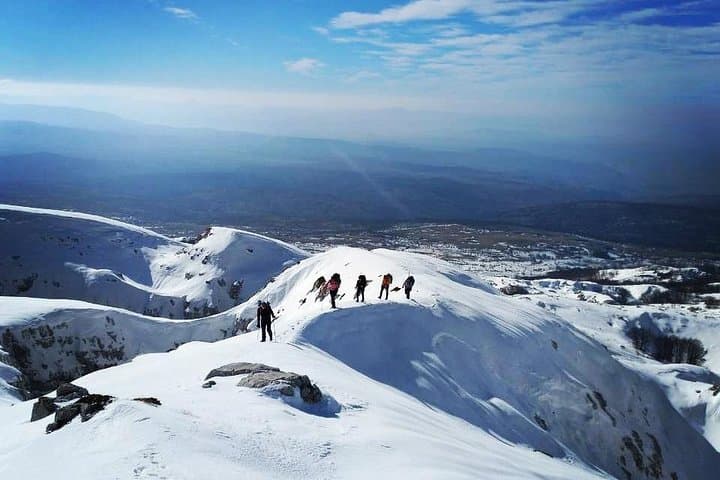
You start on a stony slope above Mostar as the valley loosens its morning fog, the city a patchwork of red roofs and the Neretva threading through. The trail from Fortica climbs quickly into raw karst—loose shale, limestone outcrops and scrub oak—until the view opens at Brasina peak. On a clear day the Adriatic shimmers faintly on the horizon; more often the wind and wide alpine sky are your companions.
Verified experiences and guided adventures in the surrounding area.
Operated by Herzegovina Hiking Adventure · Mostar, Herzegovina-Neretva Canton
You start on a stony slope above Mostar as the valley loosens its morning fog, the city a patchwork of red roofs and the Neretva threading through. The trail from Fortica climbs quickly into raw karst—loose shale, limestone outcrops and scrub oak—until the view opens at Brasina peak. On a clear day the Adriatic shimmers faintly on the horizon; more often the wind and wide alpine sky are your companions.
Velež is part of the Dinaric chain; its limestone layers and steep gullies tell a geologic story of uplift and erosion. The peak once hosted a Yugoslav People's Army communications complex—today you can enter the remains of a 50‑meter deep underground shelter, a concrete spine cut into rock and scarred by wartime damage. That history sits beside pastoral culture: shepherd tracks, seasonal grazing, and villages that trade mountain cheese and strong coffee.
Expect a sustained ascent of roughly 800 meters over mostly rocky terrain (6–8 hours round trip depending on pace). Route finding is straightforward on marked tracks but sections require sure-footedness and occasional scrambling. Practical tips: start early to avoid midday sun, carry 2–3 liters of water, a headlamp for the tunnel and a layered windproof jacket—exposure increases above tree line. Guides typically provide pickup from Mostar around 8:00 and snacks at the summit; allow time to explore the shelter safely and return before dusk.
This hike pairs natural drama with concrete history: it challenges the legs, rewards the camera, and leaves a clear impression of the region’s rugged, recent past.
moderate.
6–8 hours.
Good aerobic fitness and comfort on steep, rocky trails; able to manage 800m of sustained ascent.
It’s moderate: about 6–8 hours round trip with roughly 800 meters of ascent; trails are rocky and require steadiness but no technical climbing.
The shelter is accessible and commonly visited but has wartime damage and uneven surfaces—use a headlamp, watch your step, and follow your guide’s instructions.
Yes—organized departures usually include a morning pickup from Mostar accommodations and return at the end of the day.
Hiking boots, layered clothing, sun protection, 2–3 liters of water, a headlamp, and basic first-aid items; trekking poles help on descent.
The peak housed a Yugoslav People's Army communications and shelter complex during the communist era; parts were damaged during the Bosnian war but remain visitable.
This karst landscape is fragile—stick to established trails, pack out waste, and avoid entering unstable concrete structures without a guide.
Herzegovina Hiking Adventure operates guided outdoor trips and adventures with an emphasis on safety, stewardship, and memorable experiences.
You start on a stony slope above Mostar as the valley loosens its morning fog, the city a patchwork of red roofs and the Neretva threading through. The trail from Fortica climbs quickly into raw karst—loose shale, limestone outcrops and scrub oak—until the view opens at Brasina peak. On a clear day the Adriatic shimmers faintly on the horizon; more often the wind and wide alpine sky are your companions.
You start on a stony slope above Mostar as the valley loosens its morning fog, the city a patchwork of red roofs and the Neretva threading through. The trail from Fortica climbs quickly into raw karst—loose shale, limestone outcrops and scrub oak—until the view opens at Brasina peak. On a clear day the Adriatic shimmers faintly on the horizon; more often the wind and wide alpine sky are your companions.
Velež is part of the Dinaric chain; its limestone layers and steep gullies tell a geologic story of uplift and erosion. The peak once hosted a Yugoslav People's Army communications complex—today you can enter the remains of a 50‑meter deep underground shelter, a concrete spine cut into rock and scarred by wartime damage. That history sits beside pastoral culture: shepherd tracks, seasonal grazing, and villages that trade mountain cheese and strong coffee.
Expect a sustained ascent of roughly 800 meters over mostly rocky terrain (6–8 hours round trip depending on pace). Route finding is straightforward on marked tracks but sections require sure-footedness and occasional scrambling. Practical tips: start early to avoid midday sun, carry 2–3 liters of water, a headlamp for the tunnel and a layered windproof jacket—exposure increases above tree line. Guides typically provide pickup from Mostar around 8:00 and snacks at the summit; allow time to explore the shelter safely and return before dusk.
This hike pairs natural drama with concrete history: it challenges the legs, rewards the camera, and leaves a clear impression of the region’s rugged, recent past.