THE ADVENTURE COLLECTIVE® · Independent discovery and booking for outdoor travel

A private day trip from Cádiz that pairs Vejer de la Frontera’s medieval charm with the sweeping sands and Roman ruins of Bolonia. Expect coastal wind, historic stones and an 8‑hour, guide-led experience with moderate walking.
A private day trip from Cádiz that pairs Vejer de la Frontera’s medieval charm with the sweeping sands and Roman ruins of Bolonia. Expect coastal wind, historic stones and an 8‑hour, guide-led experience with moderate walking.
Morning light from Cádiz rides the Atlantic haze as a private minivan winds toward whitewashed Vejer de la Frontera, its ramparts and towers peeling sunlight like pages of history.
Verified experiences and guided adventures in the surrounding area.
Operated by FTS · Vejer de la Frontera, Andalucía
Morning light from Cádiz rides the Atlantic haze as a private minivan winds toward whitewashed Vejer de la Frontera, its ramparts and towers peeling sunlight like pages of history.
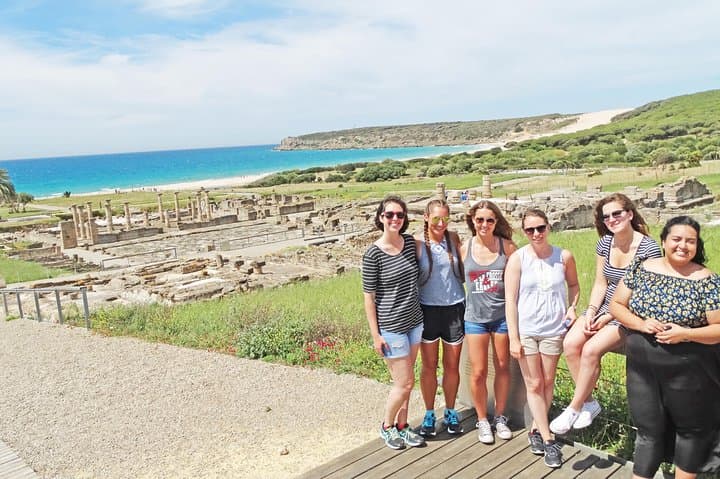
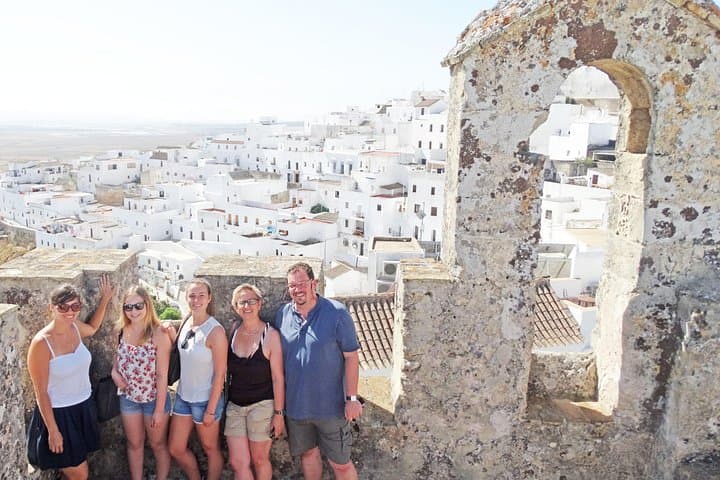
Walkable streets lead past an 11th-century castle where Muslim and Christian building techniques meet in the same stones; the town’s watchtowers still keep time with the sea. From there the tour moves west to the archaeological site of Baelo Claudia, where Roman paving stones and the outlines of a forum recall a port city once busy under Emperor Claudius. The shoreline here is blunt and honest: wind sculpts the sand, and Bolonia’s dune climbs like a slow-moving bluff that challenges visitors to the top.
Geology here is simple and striking — Quaternary sands over limestone headlands — and culture is layered: Phoenician and Roman trade, Islamic rule, and modern Andalusian fishing and farming traditions. Local cafés serve sweet Moroccan-style tea and anchovy tapas that speak to centuries of cross-strait exchange.
Practically, expect around eight hours of easy to moderate walking, uneven cobbles, some stairs and a sandy ascent on the dune. Bring water, sun protection and sturdy shoes; plan for wind and quick weather changes along the coast. The guide handles transport and provides context at each stop, but the ground underfoot and the open sea will demand attention. Timing your visit for morning or late afternoon delivers cooler light, fewer crowds and the best chance to watch dolphins shift the horizon.
moderate.
8 hours.
Suitable for most people who can walk 3–5 miles over uneven ground and climb sandy slopes; not strenuous but requires steady footing.
This private tour departs from Cádiz with hotel pickup included; confirm your pickup location at booking.
Yes—the itinerary specifies a guided visit to Baelo Claudia with admission included as part of the tour package.
The dune ascent is sandy and steep in places; it’s manageable for older children but not suitable for strollers or very young kids without assistance.
Yes, if conditions allow; bring swimwear and a towel, but be mindful of currents and limited lifeguard coverage outside peak season.
Vejer’s walls and towers reflect centuries of Phoenician, Roman and Islamic occupation; Baelo Claudia was a prosperous Roman port whose remains include a forum and fish-salting factories.
Bolonia’s dune is ecologically sensitive and subject to erosion; stick to marked paths, avoid trampling vegetation and pack out all litter to protect the site.
FTS operates guided outdoor trips and adventures with an emphasis on safety, stewardship, and memorable experiences.
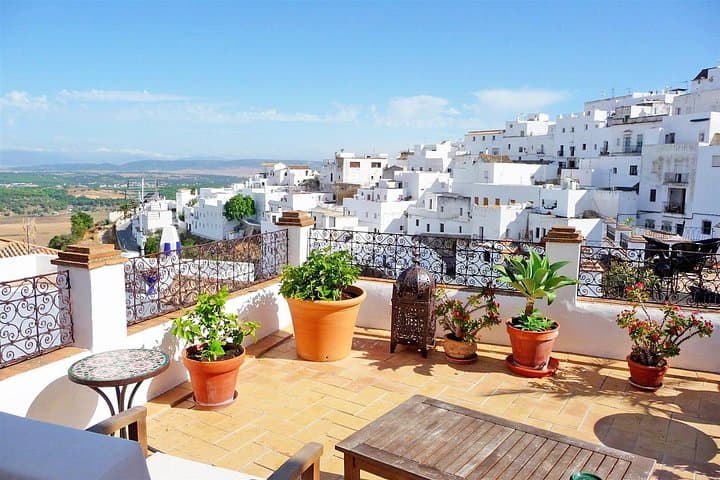
Morning light from Cádiz rides the Atlantic haze as a private minivan winds toward whitewashed Vejer de la Frontera, its ramparts and towers peeling sunlight like pages of history.
Morning light from Cádiz rides the Atlantic haze as a private minivan winds toward whitewashed Vejer de la Frontera, its ramparts and towers peeling sunlight like pages of history.
Walkable streets lead past an 11th-century castle where Muslim and Christian building techniques meet in the same stones; the town’s watchtowers still keep time with the sea. From there the tour moves west to the archaeological site of Baelo Claudia, where Roman paving stones and the outlines of a forum recall a port city once busy under Emperor Claudius. The shoreline here is blunt and honest: wind sculpts the sand, and Bolonia’s dune climbs like a slow-moving bluff that challenges visitors to the top.
Geology here is simple and striking — Quaternary sands over limestone headlands — and culture is layered: Phoenician and Roman trade, Islamic rule, and modern Andalusian fishing and farming traditions. Local cafés serve sweet Moroccan-style tea and anchovy tapas that speak to centuries of cross-strait exchange.
Practically, expect around eight hours of easy to moderate walking, uneven cobbles, some stairs and a sandy ascent on the dune. Bring water, sun protection and sturdy shoes; plan for wind and quick weather changes along the coast. The guide handles transport and provides context at each stop, but the ground underfoot and the open sea will demand attention. Timing your visit for morning or late afternoon delivers cooler light, fewer crowds and the best chance to watch dolphins shift the horizon.