THE ADVENTURE COLLECTIVE® · Independent discovery and booking for outdoor travel

Taste your way through Singapore’s best vegetarian spots on a focused three-hour walking tour. Expect market stops, Buddhist and Hindu temple visits, and carefully selected vegan and vegetarian tastings chosen by a local guide.
Taste your way through Singapore’s best vegetarian spots on a focused three-hour walking tour. Expect market stops, Buddhist and Hindu temple visits, and carefully selected vegan and vegetarian tastings chosen by a local guide.
You step out of the Fortune Centre and the street shifts into a library of smells—fried spice, simmering curries and a faint scent of incense from a nearby temple. Vendors call softly; a guide points out a sack of dried mushrooms and a basket of jagged curry leaves, and the barrio of Little India and nearby Buddhist eateries begin to unfold.
Verified experiences and guided adventures in the surrounding area.
Operated by Wok 'n' Stroll · Singapore, Singapore
You step out of the Fortune Centre and the street shifts into a library of smells—fried spice, simmering curries and a faint scent of incense from a nearby temple. Vendors call softly; a guide points out a sack of dried mushrooms and a basket of jagged curry leaves, and the barrio of Little India and nearby Buddhist eateries begin to unfold.
Singapore’s food scene is the product of trade routes and migration: Chinese Buddhist vegetarian traditions rubbing shoulders with Indian chaat and Malay curry adapted into plant-based forms. The tour threads through market stalls and small family-run restaurants where recipes rely on texture and spice rather than meat, and where ingredients like tofu skin, fermented bean paste and coconut milk anchor the plates.
Geology is minimal here but urban history matters—the streets were shaped by colonial-era trade, and temples in the route reflect community layers that feed the city’s vegetarian habits. Guides usually explain ingredient provenance and cultural meaning as you taste.
Practical guidance: this is a three-hour, low-effort walking tour on mostly flat sidewalks with periodic stops to sit and sample. Bring a water bottle, carry small cash for purchases, and tell your guide about allergies before the tour starts. Weather in Singapore is hot and often wet—expect short, heavy showers and plan for quick shelter at eateries.
Expect 6–10 small tastings, clear explanations of recipes and a short temple visit. The walk is ideal for curious eaters who want a focused, accessible introduction to Singapore’s vegetarian scene without navigating the city alone.
easy.
3 hours.
Light walking ability; comfortable on flat urban sidewalks with frequent stops.
Most tours meet at the Fortune Centre entrance (near Middle Road); your confirmation will list the exact meeting point and a local phone number.
Yes—inform the operator at booking and the guide will prioritize vegan options and avoid known allergens when possible.
The tour notes wheelchair accessibility; however, streets and some small eateries have step access—contact the operator in advance to confirm accommodations.
Many stalls accept cash only; some restaurants take cards—carry small SGD notes just in case.
The neighborhood grew around trade routes and immigrant communities; vegetarian practices here often come from Chinese Buddhist temples and Indian vegetarian traditions that adapted local ingredients.
Support sustainability by choosing vendors who use reusable containers, minimizing single-use plastics, and avoiding food waste—ask for smaller portions if you’re sampling many items.
Wok 'n' Stroll operates guided outdoor trips and adventures with an emphasis on safety, stewardship, and memorable experiences.

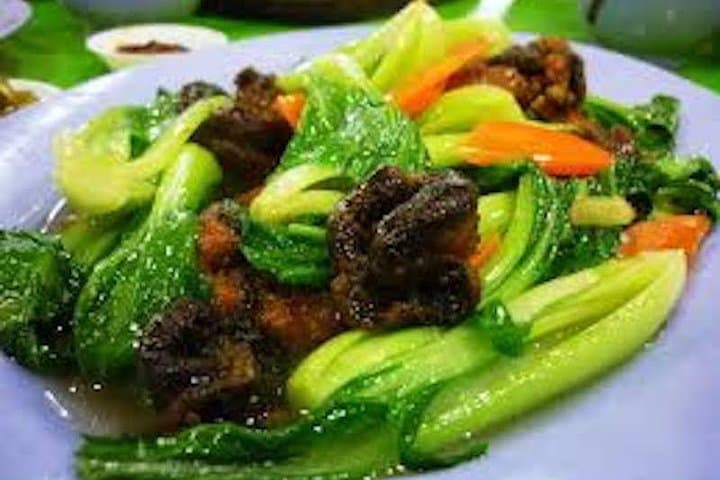


You step out of the Fortune Centre and the street shifts into a library of smells—fried spice, simmering curries and a faint scent of incense from a nearby temple. Vendors call softly; a guide points out a sack of dried mushrooms and a basket of jagged curry leaves, and the barrio of Little India and nearby Buddhist eateries begin to unfold.
You step out of the Fortune Centre and the street shifts into a library of smells—fried spice, simmering curries and a faint scent of incense from a nearby temple. Vendors call softly; a guide points out a sack of dried mushrooms and a basket of jagged curry leaves, and the barrio of Little India and nearby Buddhist eateries begin to unfold.
Singapore’s food scene is the product of trade routes and migration: Chinese Buddhist vegetarian traditions rubbing shoulders with Indian chaat and Malay curry adapted into plant-based forms. The tour threads through market stalls and small family-run restaurants where recipes rely on texture and spice rather than meat, and where ingredients like tofu skin, fermented bean paste and coconut milk anchor the plates.
Geology is minimal here but urban history matters—the streets were shaped by colonial-era trade, and temples in the route reflect community layers that feed the city’s vegetarian habits. Guides usually explain ingredient provenance and cultural meaning as you taste.
Practical guidance: this is a three-hour, low-effort walking tour on mostly flat sidewalks with periodic stops to sit and sample. Bring a water bottle, carry small cash for purchases, and tell your guide about allergies before the tour starts. Weather in Singapore is hot and often wet—expect short, heavy showers and plan for quick shelter at eateries.
Expect 6–10 small tastings, clear explanations of recipes and a short temple visit. The walk is ideal for curious eaters who want a focused, accessible introduction to Singapore’s vegetarian scene without navigating the city alone.