THE ADVENTURE COLLECTIVE® · Independent discovery and booking for outdoor travel

A brief riverside walk from Rishikesh leads to Vashishth Cave, a quiet rock cavern by the Ganges used for meditation and yoga. Expect easy walking, river views, nearby sand beaches and a modest cultural atmosphere—ideal for a half-day reflective visit.
A brief riverside walk from Rishikesh leads to Vashishth Cave, a quiet rock cavern by the Ganges used for meditation and yoga. Expect easy walking, river views, nearby sand beaches and a modest cultural atmosphere—ideal for a half-day reflective visit.
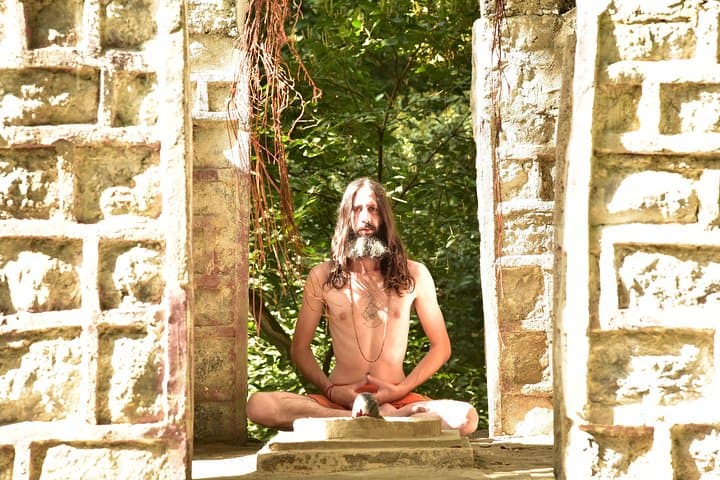
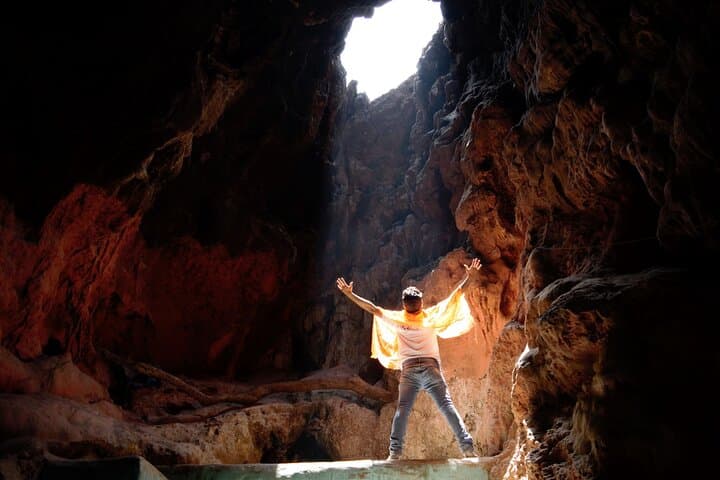
The path to Vashishth Cave arrives like a pause: a narrow riverside lane, the Ganges pressing close with a low, insistent roar that seems to dare you to slow your breath. Small sand beaches and a series of rock ledges open and close along the shore; a short scramble brings you to the cave mouth where centuries of seekers have sat facing the river.
Verified experiences and guided adventures in the surrounding area.
Operated by Rishikesh Tour and Travels · Rishikesh, Uttarakhand
The path to Vashishth Cave arrives like a pause: a narrow riverside lane, the Ganges pressing close with a low, insistent roar that seems to dare you to slow your breath. Small sand beaches and a series of rock ledges open and close along the shore; a short scramble brings you to the cave mouth where centuries of seekers have sat facing the river.
This hollowed rock is tied to local ascetic traditions—named after the sage Vashishth—and sits within the geology of the Lesser Himalaya where schist and sandstone meet river-worn cobbles. Nearby Neer waterfall and the Brahmpuri/Shivpuri rafting takeoff points show how the river alternates between placid curves and sudden energy, a practical reminder of the Ganges' seasonal moods.
Culturally, the site is used for yoga, silent meditation and ritual offerings; you will see simple shrines and notes of devotional practice. Conversation here is kept low and visitors are expected to observe local customs.
Practical guidance: plan for 3–4 hours from Rishikesh including transit and short walks. Trails are mostly easy but uneven—comfortable shoes with grip are advised. Bring water and a lightweight layer: mornings by the river can be cool and the mid-day sun strong. Photography is welcome, but avoid disturbing meditating groups. Respect the cave as an active spiritual site; discard waste responsibly and follow any signs. A short taxi from Rishikesh or Shivpuri gets you within a brief riverside walk of the cave.
easy.
3–4 hours.
Light walking; suitable for most fitness levels with short uneven sections
A short taxi or auto-rickshaw to the Shivpuri/Brahmpuri area followed by a brief riverside walk will bring you to the cave entrance.
Yes—many visitors use it for yoga and meditation, but be mindful of others and avoid loud group activities during private practices.
Facilities are minimal; plan meals in Rishikesh and use public restrooms in town before traveling to the site.
Swimming is dependent on river conditions; only enter the water where local signage or guides indicate it is safe, and avoid swimming during high flow.
Vashishth Cave is associated with the sage Vashishth and has long been a local spot for ascetic practice and meditation on the Ganges' banks.
This stretch of the Ganges is culturally sensitive; minimize waste, avoid plastic, and follow local guidance to reduce erosion and disturbance to riverbanks.
Rishikesh Tour and Travels operates guided outdoor trips and adventures with an emphasis on safety, stewardship, and memorable experiences.
The path to Vashishth Cave arrives like a pause: a narrow riverside lane, the Ganges pressing close with a low, insistent roar that seems to dare you to slow your breath. Small sand beaches and a series of rock ledges open and close along the shore; a short scramble brings you to the cave mouth where centuries of seekers have sat facing the river.
The path to Vashishth Cave arrives like a pause: a narrow riverside lane, the Ganges pressing close with a low, insistent roar that seems to dare you to slow your breath. Small sand beaches and a series of rock ledges open and close along the shore; a short scramble brings you to the cave mouth where centuries of seekers have sat facing the river.
This hollowed rock is tied to local ascetic traditions—named after the sage Vashishth—and sits within the geology of the Lesser Himalaya where schist and sandstone meet river-worn cobbles. Nearby Neer waterfall and the Brahmpuri/Shivpuri rafting takeoff points show how the river alternates between placid curves and sudden energy, a practical reminder of the Ganges' seasonal moods.
Culturally, the site is used for yoga, silent meditation and ritual offerings; you will see simple shrines and notes of devotional practice. Conversation here is kept low and visitors are expected to observe local customs.
Practical guidance: plan for 3–4 hours from Rishikesh including transit and short walks. Trails are mostly easy but uneven—comfortable shoes with grip are advised. Bring water and a lightweight layer: mornings by the river can be cool and the mid-day sun strong. Photography is welcome, but avoid disturbing meditating groups. Respect the cave as an active spiritual site; discard waste responsibly and follow any signs. A short taxi from Rishikesh or Shivpuri gets you within a brief riverside walk of the cave.