THE ADVENTURE COLLECTIVE® · Independent discovery and booking for outdoor travel

Skip the queue and let an expert guide bring Sweden’s maritime past and rural traditions to life. This combined Vasa Museum and Skansen tour pairs fast‑track access to the salvaged 1628 warship with hands‑on cultural displays at the world’s oldest open‑air museum.
Skip the queue and let an expert guide bring Sweden’s maritime past and rural traditions to life. This combined Vasa Museum and Skansen tour pairs fast‑track access to the salvaged 1628 warship with hands‑on cultural displays at the world’s oldest open‑air museum.
You step off the tram onto Djurgården and the air shifts—salt from the harbor, the distant bounce of boat horns, and the hulking silhouette of a 17th‑century warship filling the museum hall. The Vasa dominates the room, its carved stern staring like a frozen story; outside, Skansen’s wooden houses and grassy enclosures invite a different, slower pace.
Verified experiences and guided adventures in the surrounding area.
Operated by Rosotravel - Sweden City Tours · Stockholm, Stockholm County
You step off the tram onto Djurgården and the air shifts—salt from the harbor, the distant bounce of boat horns, and the hulking silhouette of a 17th‑century warship filling the museum hall. The Vasa dominates the room, its carved stern staring like a frozen story; outside, Skansen’s wooden houses and grassy enclosures invite a different, slower pace.
The Vasa sank on her maiden voyage in 1628 and lay forgotten until salvage in the 20th century. The museum that preserves her tells a wider story: Sweden’s rise as a Baltic power, shipbuilding techniques, and daily life in the early modern period. Skansen, founded in 1891, is the world’s oldest open‑air museum and offers a hands‑on look at pre‑industrial Swedish farming, crafts, and native animals.
Expect a mix of indoor and outdoor walking: museum ramps and galleries around a towering hull, then cobblestone lanes, historic cottages, and small zoo enclosures at Skansen. Guides contextualize artifacts—weaponry, clothing, kitchenware—while detailing conservation work that keeps the Vasa stable and visible.
Practical notes: fast‑track tickets skip the ticket office but allow time for security checks; tours typically run 2–4 hours depending on whether Skansen is included. Dress in layers for Djurgården’s wind and bring comfortable shoes—there’s uneven ground at Skansen. Peak season sees long daylight and crowds; shoulder seasons offer quieter exploration. For families, Skansen is especially engaging; for history buffs, the Vasa’s craftsmanship is a rare, vivid classroom.
easy.
2–4 hours.
Accessible to most people who can walk unassisted for several hundred meters; includes standing during exhibits and short walks outdoors.
Fast‑track bypasses the ticket office line but does not exempt you from security checks or timed entry restrictions—arrive at your scheduled start time.
Yes—the Vasa Museum and much of Skansen are wheelchair accessible, though some historic buildings at Skansen have limited access; notify the operator of needs in advance.
Some longer options include transfers; check the selected tour duration (2–4 hours) and booking add‑ons to confirm whether transport is provided.
Yes—Skansen’s open‑air exhibits and animal enclosures are especially engaging for kids, while the Vasa’s size and preserved artifacts appeal to older children and teens.
The Vasa sank in 1628 on her maiden voyage and was salvaged nearly 333 years later; Skansen, opened in 1891, pioneered living history museums in Europe.
Ongoing conservation preserves the Vasa’s timber using controlled humidity and scientific monitoring; Skansen focuses on sustainable animal care and traditional agricultural practices.
Rosotravel - Sweden City Tours operates guided outdoor trips and adventures with an emphasis on safety, stewardship, and memorable experiences.
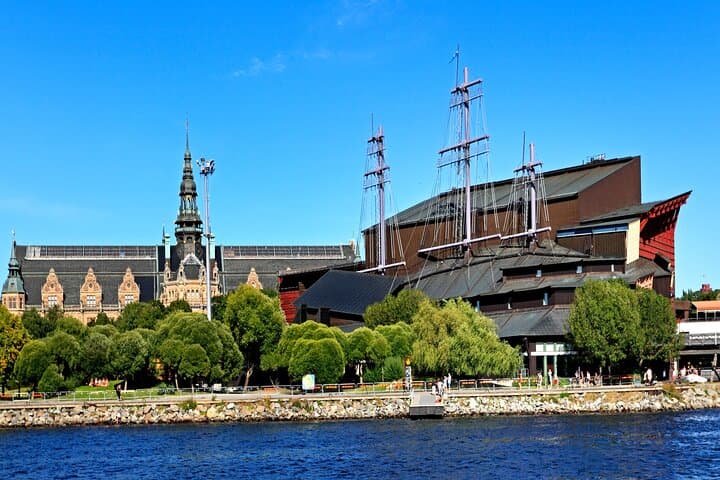

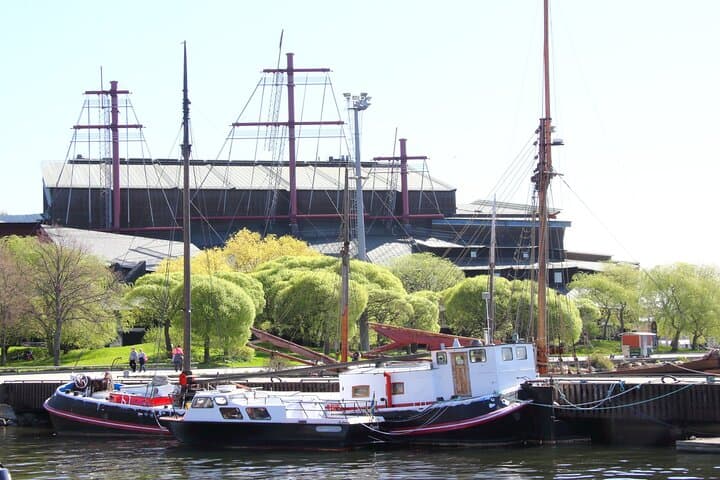
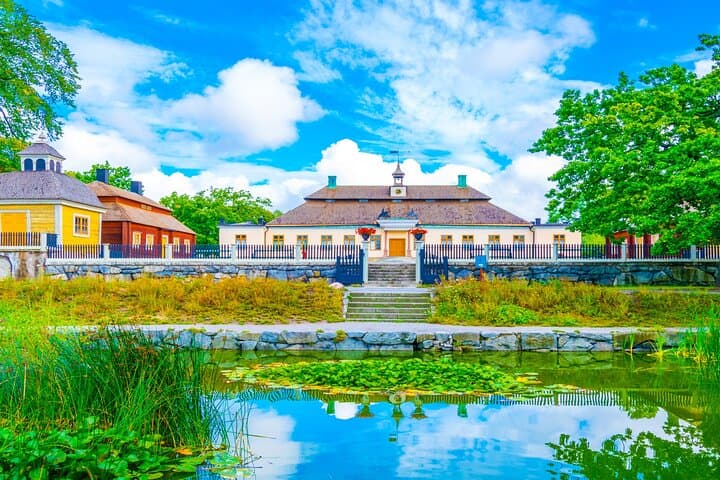
You step off the tram onto Djurgården and the air shifts—salt from the harbor, the distant bounce of boat horns, and the hulking silhouette of a 17th‑century warship filling the museum hall. The Vasa dominates the room, its carved stern staring like a frozen story; outside, Skansen’s wooden houses and grassy enclosures invite a different, slower pace.
You step off the tram onto Djurgården and the air shifts—salt from the harbor, the distant bounce of boat horns, and the hulking silhouette of a 17th‑century warship filling the museum hall. The Vasa dominates the room, its carved stern staring like a frozen story; outside, Skansen’s wooden houses and grassy enclosures invite a different, slower pace.
The Vasa sank on her maiden voyage in 1628 and lay forgotten until salvage in the 20th century. The museum that preserves her tells a wider story: Sweden’s rise as a Baltic power, shipbuilding techniques, and daily life in the early modern period. Skansen, founded in 1891, is the world’s oldest open‑air museum and offers a hands‑on look at pre‑industrial Swedish farming, crafts, and native animals.
Expect a mix of indoor and outdoor walking: museum ramps and galleries around a towering hull, then cobblestone lanes, historic cottages, and small zoo enclosures at Skansen. Guides contextualize artifacts—weaponry, clothing, kitchenware—while detailing conservation work that keeps the Vasa stable and visible.
Practical notes: fast‑track tickets skip the ticket office but allow time for security checks; tours typically run 2–4 hours depending on whether Skansen is included. Dress in layers for Djurgården’s wind and bring comfortable shoes—there’s uneven ground at Skansen. Peak season sees long daylight and crowds; shoulder seasons offer quieter exploration. For families, Skansen is especially engaging; for history buffs, the Vasa’s craftsmanship is a rare, vivid classroom.