THE ADVENTURE COLLECTIVE® · Independent discovery and booking for outdoor travel

Stand inches from a sunken 17th‑century warship and follow a guide through its story — from imperial ambition and maiden‑voyage disaster to 20th‑century salvage and conservation. This two‑hour tour combines close‑up viewing with technical insight into maritime archaeology.
Stand inches from a sunken 17th‑century warship and follow a guide through its story — from imperial ambition and maiden‑voyage disaster to 20th‑century salvage and conservation. This two‑hour tour combines close‑up viewing with technical insight into maritime archaeology.
The gangway smells faintly of varnish and Baltic air as your guide waits at the Vasa Museum entrance, fluro vest visible against the pale façade. Inside, the hull fills the hall like an upended cathedral — ribs of oak and the dark curve of a ship that refused to leave port. The guided tour moves you close enough to count iron fastenings and study painted figureheads while the guide lays out the human errors and imperial ambitions that set the scene.
Verified experiences and guided adventures in the surrounding area.
Operated by Scandic Tours · Stockholm, Stockholm County
The gangway smells faintly of varnish and Baltic air as your guide waits at the Vasa Museum entrance, fluro vest visible against the pale façade. Inside, the hull fills the hall like an upended cathedral — ribs of oak and the dark curve of a ship that refused to leave port. The guided tour moves you close enough to count iron fastenings and study painted figureheads while the guide lays out the human errors and imperial ambitions that set the scene.
Built for the expanding Swedish Empire and launched in 1628, Vasa capsized within minutes of sailing. The wreck lay on the seabed of Stockholm’s inner archipelago until 1961, when careful salvage delivered a waterlogged but remarkably intact hull. The museum’s layered exhibits mix 17th‑century maps, salvaging schematics and conservation labs where scientists stabilise centuries of timber — a practical lesson in maritime archaeology and chemistry more than myth.
Expect a measured pace: guided interpretation explains ship construction, the political context of the Thirty Years’ War, and the 20th‑century engineering that freed the Vasa from mud and salt. The upper galleries offer different vantage points to read the carvings and gunports; audio and family trails make the history tangible for younger visitors.
Practical notes: tours last about two hours, include skip‑the‑line entry and are wheelchair accessible. Wear comfortable shoes and bring a charged camera — flash-free photography may be allowed — and leave extra time to visit nearby Djurgården sites. The museum is as much about preservation work as it is about spectacle: move deliberately, read the labels, and let the story of the ship surface slowly.
easy.
2 hours.
Suitable for all fitness levels; involves standing and moderate walking on even museum floors.
The tour is approximately 120 minutes and includes guided interpretation plus time to view exhibits at multiple levels.
Yes — ramps, elevators and accessible routes are in place; if you have specific needs notify the operator when booking.
Photography is generally allowed without flash, though some conservation areas may restrict images — follow signage and staff instructions.
Yes — the guided tour includes skip‑the‑line entry; present your mobile ticket at the meeting point outside the museum.
Vasa sank on her maiden voyage in 1628 and was salvaged in 1961; the museum documents both 17th‑century shipbuilding and modern conservation techniques.
The museum operates strict climate control and handling protocols to stabilise centuries‑old timber; visitors are asked to follow signage to minimise impact.
Scandic Tours operates guided outdoor trips and adventures with an emphasis on safety, stewardship, and memorable experiences.


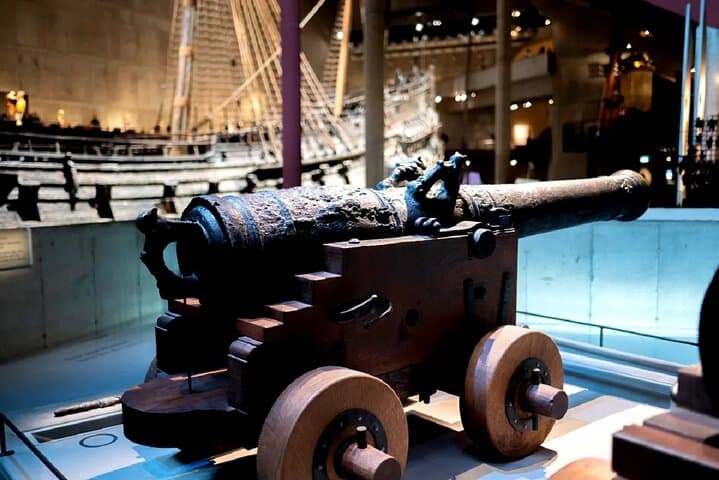
The gangway smells faintly of varnish and Baltic air as your guide waits at the Vasa Museum entrance, fluro vest visible against the pale façade. Inside, the hull fills the hall like an upended cathedral — ribs of oak and the dark curve of a ship that refused to leave port. The guided tour moves you close enough to count iron fastenings and study painted figureheads while the guide lays out the human errors and imperial ambitions that set the scene.
The gangway smells faintly of varnish and Baltic air as your guide waits at the Vasa Museum entrance, fluro vest visible against the pale façade. Inside, the hull fills the hall like an upended cathedral — ribs of oak and the dark curve of a ship that refused to leave port. The guided tour moves you close enough to count iron fastenings and study painted figureheads while the guide lays out the human errors and imperial ambitions that set the scene.
Built for the expanding Swedish Empire and launched in 1628, Vasa capsized within minutes of sailing. The wreck lay on the seabed of Stockholm’s inner archipelago until 1961, when careful salvage delivered a waterlogged but remarkably intact hull. The museum’s layered exhibits mix 17th‑century maps, salvaging schematics and conservation labs where scientists stabilise centuries of timber — a practical lesson in maritime archaeology and chemistry more than myth.
Expect a measured pace: guided interpretation explains ship construction, the political context of the Thirty Years’ War, and the 20th‑century engineering that freed the Vasa from mud and salt. The upper galleries offer different vantage points to read the carvings and gunports; audio and family trails make the history tangible for younger visitors.
Practical notes: tours last about two hours, include skip‑the‑line entry and are wheelchair accessible. Wear comfortable shoes and bring a charged camera — flash-free photography may be allowed — and leave extra time to visit nearby Djurgården sites. The museum is as much about preservation work as it is about spectacle: move deliberately, read the labels, and let the story of the ship surface slowly.