
Varanasi Village Silk Weaving Tour — Private Day Trip to Sarai Mohana
Spend a day in Sarai Mohana learning Banarasi silk weaving from families who have made these techniques for generations. This private guided tour blends hands-on craft, village life, and cultural context with practical transport and local insights.
An Adventure In Varanasi.
Spend a day in Sarai Mohana learning Banarasi silk weaving from families who have made these techniques for generations. This private guided tour blends hands-on craft, village life, and cultural context with practical transport and local insights.
Read the full experience
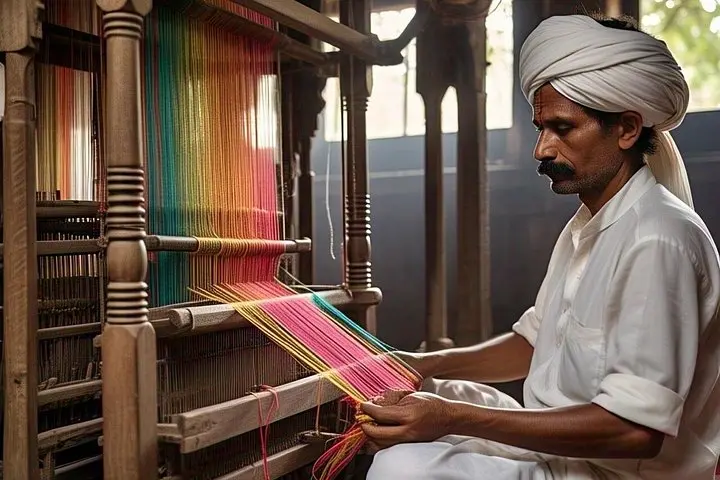
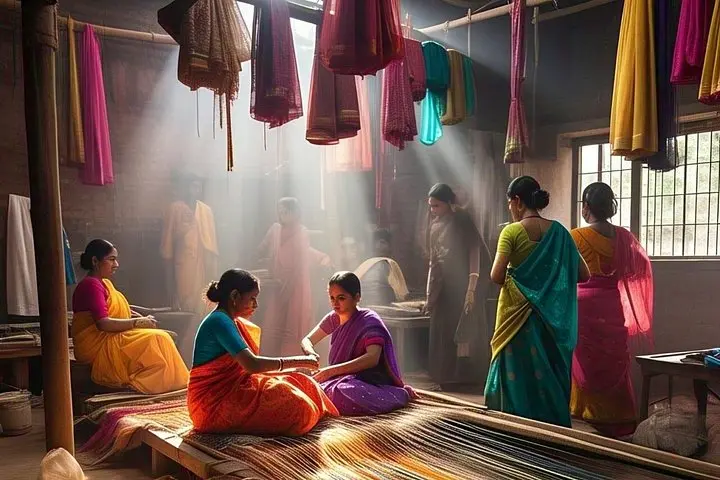
You step off the car onto a narrow lane where threads run like veins through the village—silk gleams in sunlight, and the rhythmic clack of looms sets a steady pulse. Sarai Mohana opens as a working portrait of Banaras: women adjusting shuttle, men threading motifs, and the smell of tobacco and fresh paan drifting from a corner stall.
You step off the car onto a narrow lane where threads run like veins through the village—silk gleams in sunlight, and the rhythmic clack of looms sets a steady pulse. Sarai Mohana opens as a working portrait of Banaras: women adjusting shuttle, men threading motifs, and the smell of tobacco and fresh paan drifting from a corner stall.
This region’s silk tradition traces back centuries, shaped by Mughal-era motifs and local motifs refined over generations. Geologically the area sits on the alluvial plains of the Ganges; the soil and river trade historically supported small craft economies and the raw-silk trade that fed Varanasi’s famed brocades.
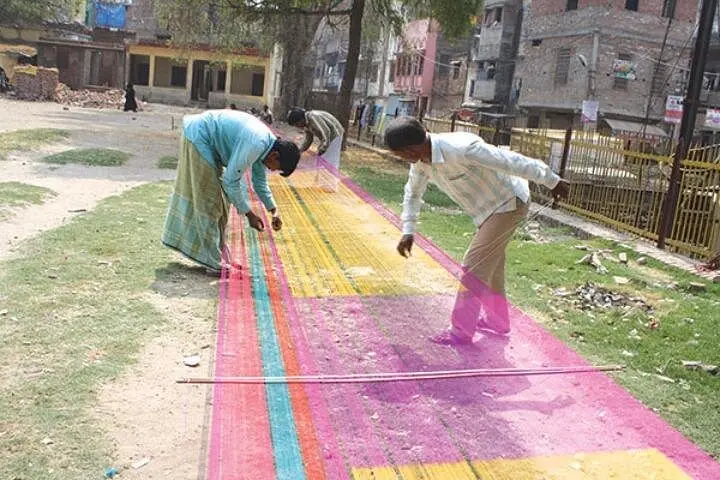
Culturally, visitors witness techniques passed down within families—handloom weaving, dyeing vats, and the final kantha stitch that gives a Banarasi saree its character. Villagers are pragmatic hosts: demonstrations are hands-on, and you may try a simple warp or practice wrapping a full saree.
Practical guidance: the full private itinerary runs a long day—expect around 10 hours with door-to-door transport and multiple stops. Wear comfortable, dust-resistant shoes for uneven lanes and modest clothing for respectful village access. Bring small-denomination cash for purchases and tips; bargaining is customary but polite.
Timing matters: early morning or late afternoon light is best for photos and cooler for walking. Respect working rhythms—ask before photographing looms—and consider purchasing directly from weavers to support local livelihoods. This is less a sightseeing checkbox and more a chance to feel the craft under your hands.
Frequently asked questions
Yes — the private tour includes door-to-door transportation in an air-conditioned vehicle as part of the itinerary.
Yes — the tour is family-friendly and stroller-accessible, though expect active sights and some walking in lanes.
The tour is listed as wheelchair accessible for transportation; however, some village lanes and workshops may be uneven—check specific needs with the operator.
You can participate in basic weaving demonstrations and try simple steps, but full saree weaving is a multi-day craft—expect short hands-on experiences rather than complete production.
About This Experience
BARBIL TOURS operates guided outdoor trips and adventures with an emphasis on safety, stewardship, and memorable experiences.
Adventure tips
Recommended gear
- Comfortable closed-toe shoes: Protects feet on uneven, dusty village lanes and near working looms.
- Sun hat and sunglasses: Provides sun protection during outdoor transfers and courtyard demonstrations.
- Light layers or shawl: Mornings can be cool; a layer is respectful and practical for temple or family visits.
- Small cash (INR): Useful for buying textiles, snacks, or tipping artisans who often prefer cash.
Photos of the experience

Related adventures & guides
Read the full experience
You step off the car onto a narrow lane where threads run like veins through the village—silk gleams in sunlight, and the rhythmic clack of looms sets a steady pulse. Sarai Mohana opens as a working portrait of Banaras: women adjusting shuttle, men threading motifs, and the smell of tobacco and fresh paan drifting from a corner stall.
You step off the car onto a narrow lane where threads run like veins through the village—silk gleams in sunlight, and the rhythmic clack of looms sets a steady pulse. Sarai Mohana opens as a working portrait of Banaras: women adjusting shuttle, men threading motifs, and the smell of tobacco and fresh paan drifting from a corner stall.
This region’s silk tradition traces back centuries, shaped by Mughal-era motifs and local motifs refined over generations. Geologically the area sits on the alluvial plains of the Ganges; the soil and river trade historically supported small craft economies and the raw-silk trade that fed Varanasi’s famed brocades.
Culturally, visitors witness techniques passed down within families—handloom weaving, dyeing vats, and the final kantha stitch that gives a Banarasi saree its character. Villagers are pragmatic hosts: demonstrations are hands-on, and you may try a simple warp or practice wrapping a full saree.
Practical guidance: the full private itinerary runs a long day—expect around 10 hours with door-to-door transport and multiple stops. Wear comfortable, dust-resistant shoes for uneven lanes and modest clothing for respectful village access. Bring small-denomination cash for purchases and tips; bargaining is customary but polite.
Timing matters: early morning or late afternoon light is best for photos and cooler for walking. Respect working rhythms—ask before photographing looms—and consider purchasing directly from weavers to support local livelihoods. This is less a sightseeing checkbox and more a chance to feel the craft under your hands.
Make a day of it nearby.
Verified experiences and guided adventures in the surrounding area.