THE ADVENTURE COLLECTIVE® · Independent discovery and booking for outdoor travel

Two days in Varanasi pair dawn boat rides along the Ganges with the evening Ganga Aarti and a half-day pilgrimage to Sarnath. This compact tour combines core temple visits, a local guide, and a river experience to help you see why the city has drawn pilgrims for millennia.
Two days in Varanasi pair dawn boat rides along the Ganges with the evening Ganga Aarti and a half-day pilgrimage to Sarnath. This compact tour combines core temple visits, a local guide, and a river experience to help you see why the city has drawn pilgrims for millennia.
You step out of the car into a morning that smells of frying kachori and wet stone, the Ganges in front of you moving like a long, deliberate breath. The tour threads through narrow lanes to Assi Ghat, where boats wait and the river dares you to slow down; by dusk the Dashashwamedh Ghat glows with the ritual of lamps and synchronized chants.
Verified experiences and guided adventures in the surrounding area.
Operated by Taj One Day Tour · Varanasi, Uttar Pradesh
You step out of the car into a morning that smells of frying kachori and wet stone, the Ganges in front of you moving like a long, deliberate breath. The tour threads through narrow lanes to Assi Ghat, where boats wait and the river dares you to slow down; by dusk the Dashashwamedh Ghat glows with the ritual of lamps and synchronized chants.
Varanasi is one of the world's oldest continuously inhabited cities, a living urban archive of Hindu ritual and Mughal-era urban form. Sarnath, 10 km to the northeast, is where the Buddha delivered his first sermon—its Dhamek Stupa and the archaeological museum map the early spread of Buddhism across the subcontinent. The landscape here is riverine plain, made of alluvial silt; architecture ranges from crumbling mansions to restored temples and the wooden boats that still ply the Ganges.
Practical guidance: expect a mix of short walks, vehicle transfers and a weather-dependent boat ride. Surfaces are uneven—stone ghats, narrow alleys, and temple steps—so wear closed, grippy shoes that are easy to remove. Plan morning or late-afternoon river time to avoid midday heat and to catch the Aarti at sunset. The itinerary typically includes an overnight in a 4-star hotel, an English-speaking guide, and monument entries as optionals.
Local norms matter: dress modestly at temples, remove shoes at thresholds, and keep small change for priests and boat operators. Hydrate, carry anti-mosquito spray for dusk, and allow time to absorb the slow, sensory pace of the ghats rather than rush through them.
easy.
2 days (approx. 48 hours).
Basic mobility for short walks and steps; suitable for most fitness levels but expect uneven surfaces and some stair climbing.
Boat rides are included subject to weather conditions; operators will substitute or adjust the itinerary if the river is unsafe.
Modest attire covering shoulders and knees is advised; women may want a scarf to cover heads in certain temples and everyone must remove shoes at entrances.
Most major sites are open daily but hours can vary on religious holidays; your guide will confirm access and optional monument fees in advance.
Yes — the itinerary includes hotel or station/airport drop-off in Varanasi as part of the tour service.
Varanasi has been a major religious and cultural center for over two millennia; Sarnath nearby marks the site of the Buddha’s first sermon around the 5th century BCE.
The Ganges faces long-term pollution challenges; support operators who minimize plastic use and follow local guidelines to avoid disturbing riverbank habitats.
Taj One Day Tour operates guided outdoor trips and adventures with an emphasis on safety, stewardship, and memorable experiences.
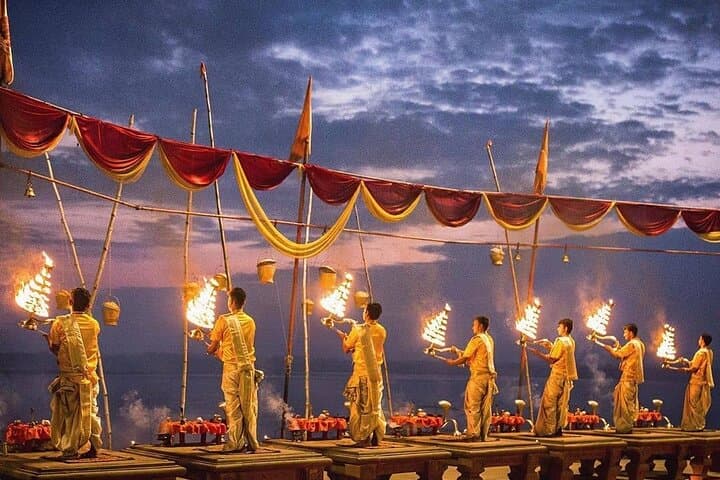
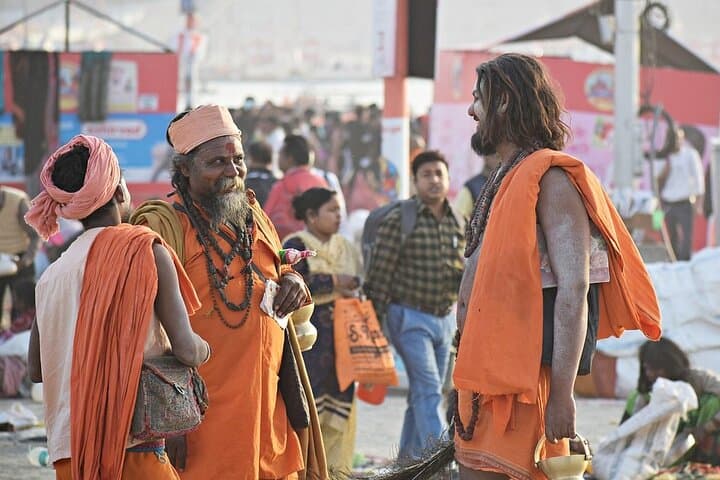
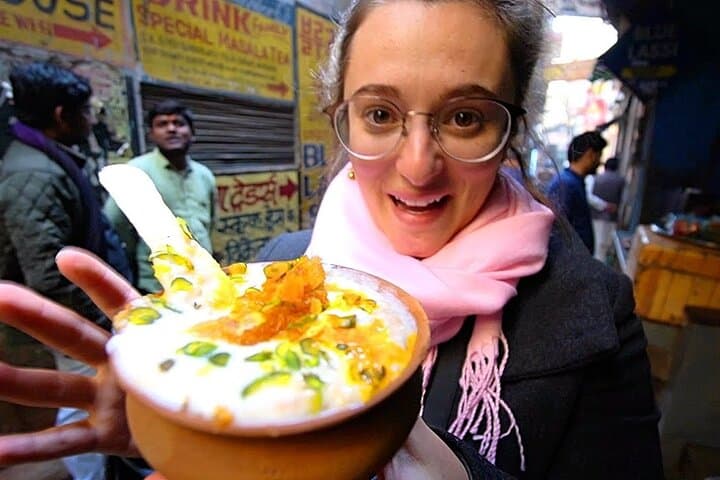
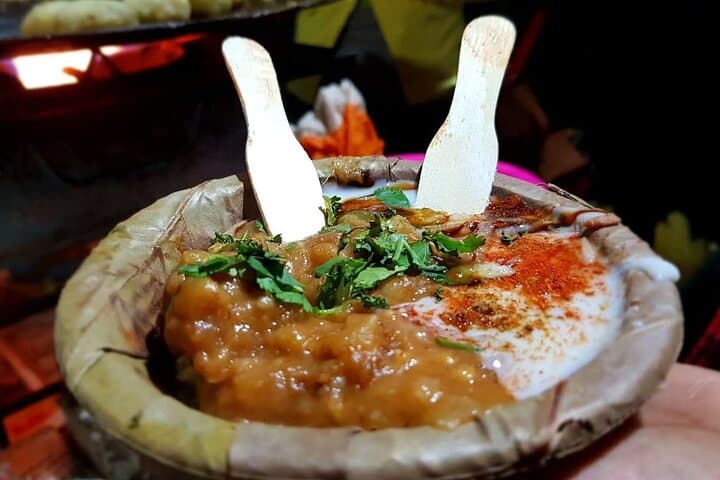
You step out of the car into a morning that smells of frying kachori and wet stone, the Ganges in front of you moving like a long, deliberate breath. The tour threads through narrow lanes to Assi Ghat, where boats wait and the river dares you to slow down; by dusk the Dashashwamedh Ghat glows with the ritual of lamps and synchronized chants.
You step out of the car into a morning that smells of frying kachori and wet stone, the Ganges in front of you moving like a long, deliberate breath. The tour threads through narrow lanes to Assi Ghat, where boats wait and the river dares you to slow down; by dusk the Dashashwamedh Ghat glows with the ritual of lamps and synchronized chants.
Varanasi is one of the world's oldest continuously inhabited cities, a living urban archive of Hindu ritual and Mughal-era urban form. Sarnath, 10 km to the northeast, is where the Buddha delivered his first sermon—its Dhamek Stupa and the archaeological museum map the early spread of Buddhism across the subcontinent. The landscape here is riverine plain, made of alluvial silt; architecture ranges from crumbling mansions to restored temples and the wooden boats that still ply the Ganges.
Practical guidance: expect a mix of short walks, vehicle transfers and a weather-dependent boat ride. Surfaces are uneven—stone ghats, narrow alleys, and temple steps—so wear closed, grippy shoes that are easy to remove. Plan morning or late-afternoon river time to avoid midday heat and to catch the Aarti at sunset. The itinerary typically includes an overnight in a 4-star hotel, an English-speaking guide, and monument entries as optionals.
Local norms matter: dress modestly at temples, remove shoes at thresholds, and keep small change for priests and boat operators. Hydrate, carry anti-mosquito spray for dusk, and allow time to absorb the slow, sensory pace of the ghats rather than rush through them.