THE ADVENTURE COLLECTIVE® · Independent discovery and booking for outdoor travel

Explore the dense lanes and riverfront ceremonies of Varanasi on a 3–4 hour guided walk that mixes local breakfast, palace views, temple visits and the powerful Manikarnika burning ghat. Expect cultural immersion, modest walking, and clear guidance on respectful photography and behavior.
Explore the dense lanes and riverfront ceremonies of Varanasi on a 3–4 hour guided walk that mixes local breakfast, palace views, temple visits and the powerful Manikarnika burning ghat. Expect cultural immersion, modest walking, and clear guidance on respectful photography and behavior.
You step into a narrow lane of old Benares just after the first light has clarified the sky, the Ganges already pulling sounds toward its surface as if urging the city awake.
Verified experiences and guided adventures in the surrounding area.
Operated by Streetwise Varanasi Tours - Day Tours · Varanasi, Uttar Pradesh
You step into a narrow lane of old Benares just after the first light has clarified the sky, the Ganges already pulling sounds toward its surface as if urging the city awake.
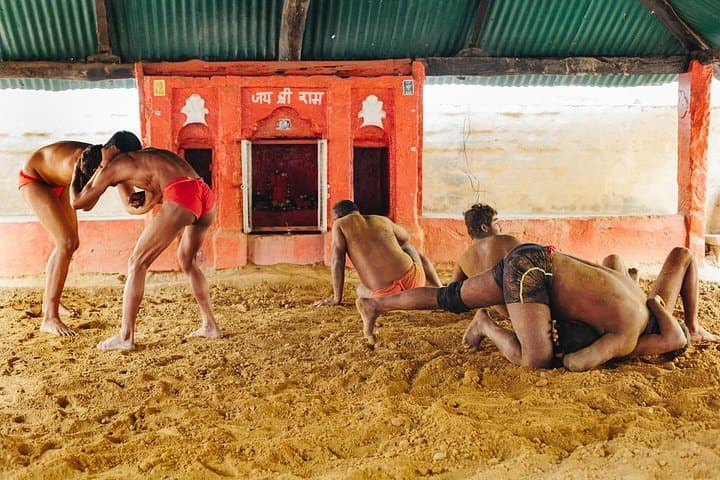
This three-to-four-hour walking tour threads through downtown Varanasi: a local Benares breakfast, colorful alleys, the Maharaja Palace balcony with its direct view across the river, a traditional ashram, and the Manikarnika burning ghat — a visceral encounter with rites that have shaped this city for millennia.
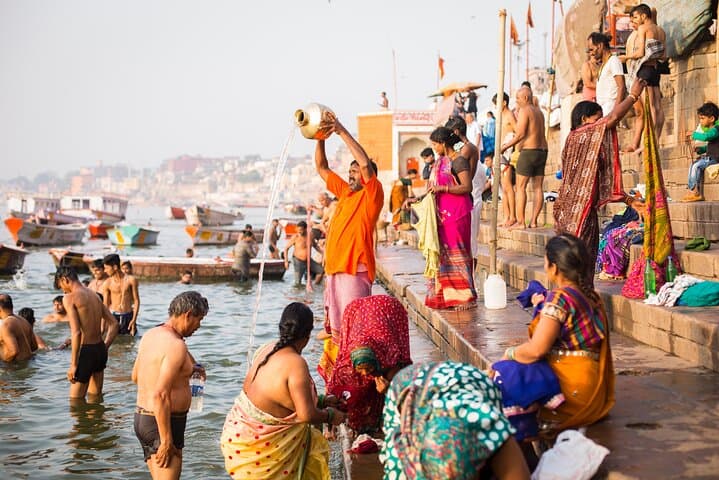
Varanasi is one of the world’s oldest continuously inhabited cities; its stone ghats are layered with centuries of ritual, trade and riverine geology. The Ganges here isn’t background scenery — it’s active agent, moving boats and priests, pushing rituals forward and shaping the daily rhythm of life.
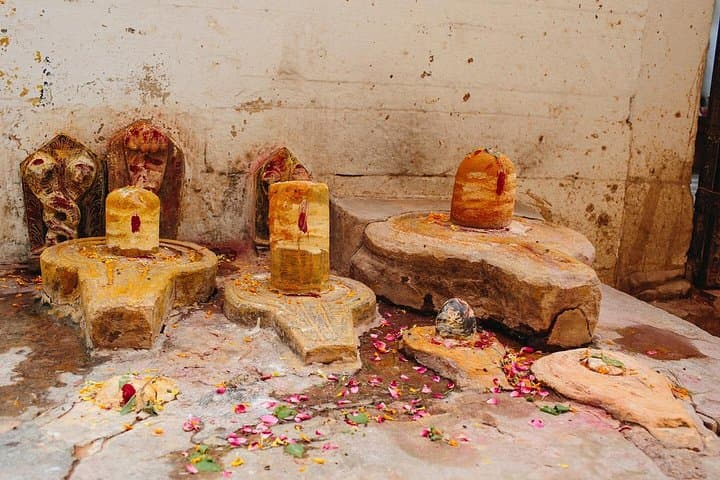
You’ll cross architecture from Mughal-influenced palaces to cramped merchant lanes and temple courtyards where devotional bells mark time. Local guides explain caste, puja practices, and why cremation on these banks is central to Hindu belief in moksha.
Practical guidance: wear closed, comfortable shoes for uneven steps and narrow lanes; dress modestly (shoulders and knees covered) out of respect for sacred sites; bring bottled water and a small towel for dust. Photography is welcome in markets and many ghats but exercise sensitivity at cremation sites — always ask your guide first. Plan for three to four hours at a gentle walking pace, and allow extra time afterward to linger on a ghat or visit a nearby tea stall.
easy.
3–4 hours.
Suitable for most fitness levels—requires standing and walking on uneven surfaces for several hours.
Yes—it's rated easy and suitable for mixed ages, though visitors should be comfortable walking short distances and navigating steps; discuss mobility needs when booking.
The tour description lists guided visits; specialized admission fees (if any) are typically arranged on site—confirm with the operator ahead of time for specific sites.
Photography at cremation sites is sensitive; follow your guide's instructions and never photograph mourners or sacred rites without permission.
Most bookings use English-speaking guides; check the product listing or ask the operator if you need a specific language.
Varanasi is among the oldest continuously inhabited cities; its ghats and cremation rituals have been central to Hindu pilgrimage for centuries, with layers of Mughal and British-era architecture in the downtown core.
The Ganges here faces pollution and crowding; support local clean-up initiatives, avoid single-use plastics, and follow guide instructions to minimize impact near sensitive ritual sites.
Streetwise Varanasi Tours - Day Tours operates guided outdoor trips and adventures with an emphasis on safety, stewardship, and memorable experiences.
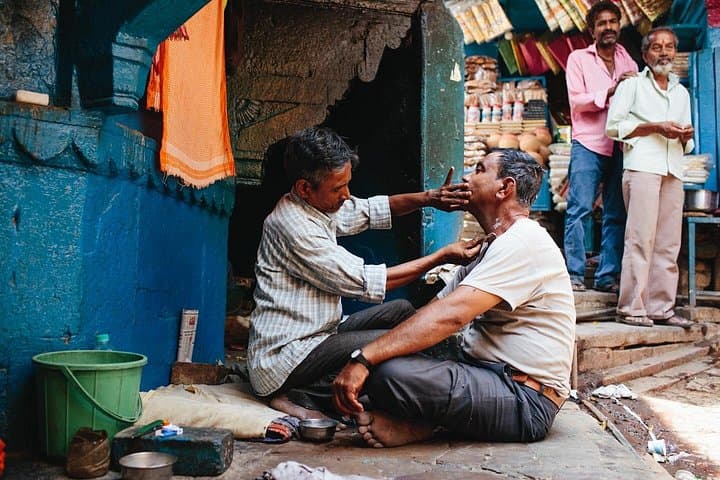
You step into a narrow lane of old Benares just after the first light has clarified the sky, the Ganges already pulling sounds toward its surface as if urging the city awake.
You step into a narrow lane of old Benares just after the first light has clarified the sky, the Ganges already pulling sounds toward its surface as if urging the city awake.
This three-to-four-hour walking tour threads through downtown Varanasi: a local Benares breakfast, colorful alleys, the Maharaja Palace balcony with its direct view across the river, a traditional ashram, and the Manikarnika burning ghat — a visceral encounter with rites that have shaped this city for millennia.
Varanasi is one of the world’s oldest continuously inhabited cities; its stone ghats are layered with centuries of ritual, trade and riverine geology. The Ganges here isn’t background scenery — it’s active agent, moving boats and priests, pushing rituals forward and shaping the daily rhythm of life.
You’ll cross architecture from Mughal-influenced palaces to cramped merchant lanes and temple courtyards where devotional bells mark time. Local guides explain caste, puja practices, and why cremation on these banks is central to Hindu belief in moksha.
Practical guidance: wear closed, comfortable shoes for uneven steps and narrow lanes; dress modestly (shoulders and knees covered) out of respect for sacred sites; bring bottled water and a small towel for dust. Photography is welcome in markets and many ghats but exercise sensitivity at cremation sites — always ask your guide first. Plan for three to four hours at a gentle walking pace, and allow extra time afterward to linger on a ghat or visit a nearby tea stall.