THE ADVENTURE COLLECTIVE® · Independent discovery and booking for outdoor travel

Experience Varanasi’s riverfront rituals, sunrise boat rides on the Ganges and a half‑day visit to Sarnath in a compact 1‑night, 2‑day itinerary. This tour combines temple darshan, morning aarti by boat and curated sightseeing with hotel accommodation and transfers.
Experience Varanasi’s riverfront rituals, sunrise boat rides on the Ganges and a half‑day visit to Sarnath in a compact 1‑night, 2‑day itinerary. This tour combines temple darshan, morning aarti by boat and curated sightseeing with hotel accommodation and transfers.
A predawn mist sits on the Ganges, and the ghats of Varanasi wake in layers of smoke, chant and teak-boat creak. You step onto stone stairs that slope into the river, incense and marigold stalls pushing color against the cool morning air; the current dares you forward as boats thread lantern-lit water for the morning aarti.
Verified experiences and guided adventures in the surrounding area.
Operated by All India Travel Agency · Varanasi, Uttar Pradesh
A predawn mist sits on the Ganges, and the ghats of Varanasi wake in layers of smoke, chant and teak-boat creak. You step onto stone stairs that slope into the river, incense and marigold stalls pushing color against the cool morning air; the current dares you forward as boats thread lantern-lit water for the morning aarti.
Vishwanath Temple, Sankat Mochan and Tulsi Manas stand with centuries of worship and rebuilding, while Sarnath—just outside the city—keeps the calm remains of early Buddhist structures like the Dhamek Stupa. Geologically the city rests on the fertile alluvial plains of the Ganges; the ghats themselves are engineered layers of sandstone and steps, rebuilt and repaired across generations to hold festivals, ritual bathing and cremation rites at places like Manikarnika.
Culture here is kinetic: priests, pilgrims and boatmen play fixed roles in a living ritual economy. Local insights include early-morning boat runs for clearer light and quieter ghats, and a short transfer to Sarnath where museum displays contextualize the Buddha’s first sermon.
Practical guidance: pack sturdy shoes for uneven ghat steps and a daylight plan—Ganga aarti timings are strict and best seen from the water. Carry small change for offerings and tips, dress conservatively (shoulders and knees covered), and bring a refillable water bottle; summers are hot and monsoon seasons slicken stone. The tour includes a one-night 3-star hotel, breakfast, guided sightseeings, transfers and a boat ride—expect about 48 hours of cultural immersion with plenty of walking and short drives.
easy.
1–2 days.
Light fitness required—expect several short walks, steps up and down ghats, and brief transfers by car.
Yes—one morning breakfast at the 3-star hotel is included in the itinerary.
Yes; standard teak boats are used for morning and evening rides, though those with mobility limits should request assistance and the operator notes wheelchair-accessible transport.
You may view the cremation ghats from a respectful distance, but photographing is often restricted and visitors should follow local guidance and temple rules.
October–March offers the most comfortable weather; summer is hot and monsoon months make the ghats slippery and river levels higher.
Varanasi is one of the world’s oldest continuously inhabited cities, a center for Hindu ritual life and a historic crossroads for Sanskrit learning and temple pilgrimage.
The Ganges faces pollution and ecological pressures; support responsible operators, avoid single‑use plastics, and heed local rules designed to protect water quality and sacred sites.
All India Travel Agency operates guided outdoor trips and adventures with an emphasis on safety, stewardship, and memorable experiences.
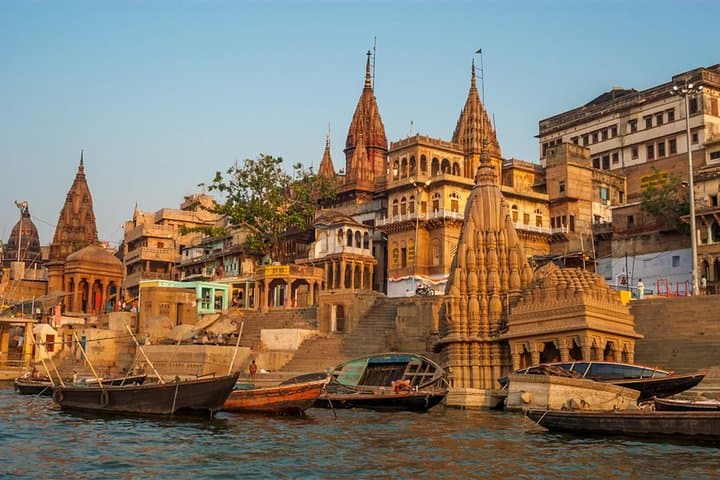
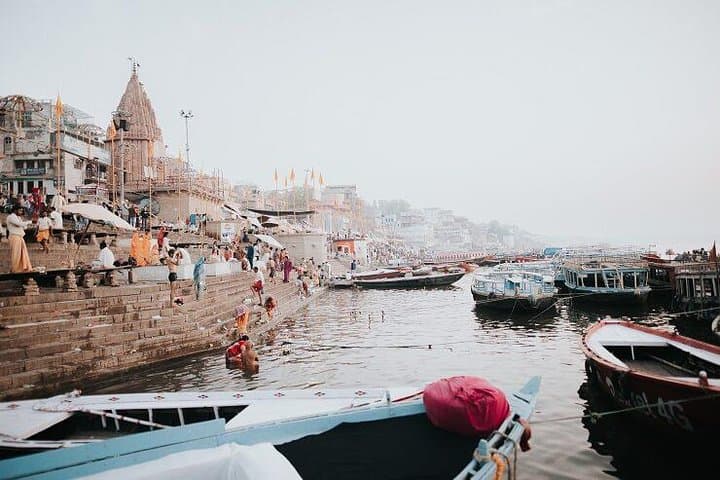
A predawn mist sits on the Ganges, and the ghats of Varanasi wake in layers of smoke, chant and teak-boat creak. You step onto stone stairs that slope into the river, incense and marigold stalls pushing color against the cool morning air; the current dares you forward as boats thread lantern-lit water for the morning aarti.
A predawn mist sits on the Ganges, and the ghats of Varanasi wake in layers of smoke, chant and teak-boat creak. You step onto stone stairs that slope into the river, incense and marigold stalls pushing color against the cool morning air; the current dares you forward as boats thread lantern-lit water for the morning aarti.
Vishwanath Temple, Sankat Mochan and Tulsi Manas stand with centuries of worship and rebuilding, while Sarnath—just outside the city—keeps the calm remains of early Buddhist structures like the Dhamek Stupa. Geologically the city rests on the fertile alluvial plains of the Ganges; the ghats themselves are engineered layers of sandstone and steps, rebuilt and repaired across generations to hold festivals, ritual bathing and cremation rites at places like Manikarnika.
Culture here is kinetic: priests, pilgrims and boatmen play fixed roles in a living ritual economy. Local insights include early-morning boat runs for clearer light and quieter ghats, and a short transfer to Sarnath where museum displays contextualize the Buddha’s first sermon.
Practical guidance: pack sturdy shoes for uneven ghat steps and a daylight plan—Ganga aarti timings are strict and best seen from the water. Carry small change for offerings and tips, dress conservatively (shoulders and knees covered), and bring a refillable water bottle; summers are hot and monsoon seasons slicken stone. The tour includes a one-night 3-star hotel, breakfast, guided sightseeings, transfers and a boat ride—expect about 48 hours of cultural immersion with plenty of walking and short drives.