THE ADVENTURE COLLECTIVE® · Independent discovery and booking for outdoor travel

A 14‑day exploration from Tashkent’s bazaars to the dry ribs of the Aral Sea, this tour blends Timurid monuments, artisan masterclasses, and desert ruins. Expect long travel days, hands‑on cultural encounters, and a night in a yurt under vast stars.
A 14‑day exploration from Tashkent’s bazaars to the dry ribs of the Aral Sea, this tour blends Timurid monuments, artisan masterclasses, and desert ruins. Expect long travel days, hands‑on cultural encounters, and a night in a yurt under vast stars.
Morning light on the steppe feels like a promise and a warning: wind pushes across flat horizons where ships now rest on sand, and minarets still send their blue gloss into the sky. This 14‑day route threads the great Silk Road cities—Tashkent, Samarkand, Bukhara, Khiva—then carries you west through the Kyzylkum and onto the exposed seabed of the Aral Sea, finishing beneath a yurt sky.
Verified experiences and guided adventures in the surrounding area.
Operated by Umid · Samarkand, Samarkand Region
Morning light on the steppe feels like a promise and a warning: wind pushes across flat horizons where ships now rest on sand, and minarets still send their blue gloss into the sky. This 14‑day route threads the great Silk Road cities—Tashkent, Samarkand, Bukhara, Khiva—then carries you west through the Kyzylkum and onto the exposed seabed of the Aral Sea, finishing beneath a yurt sky.
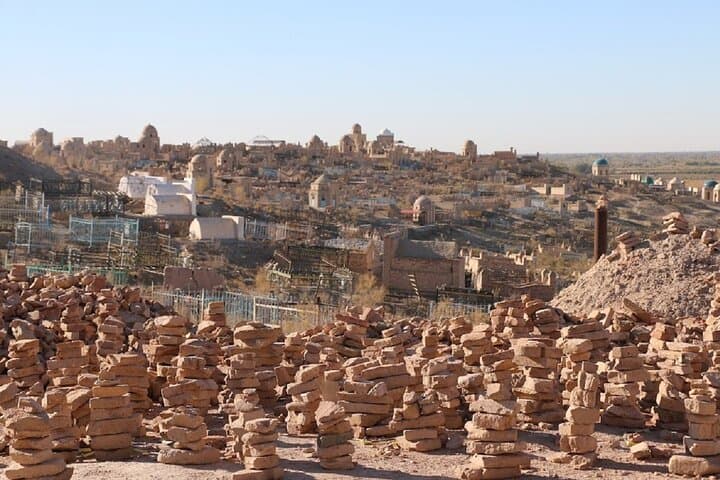
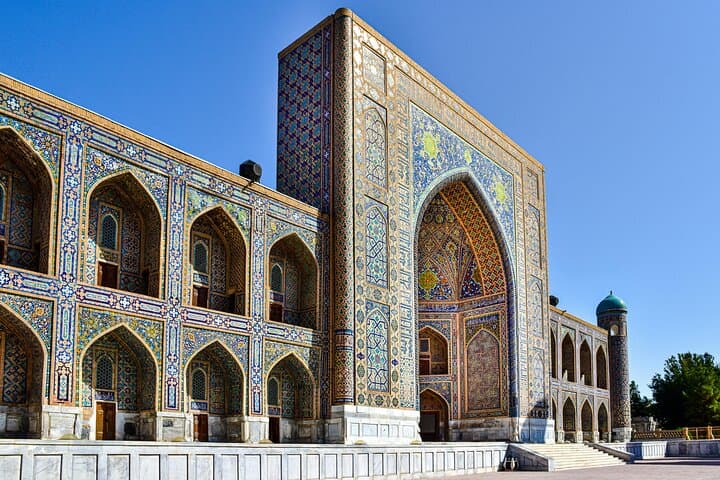
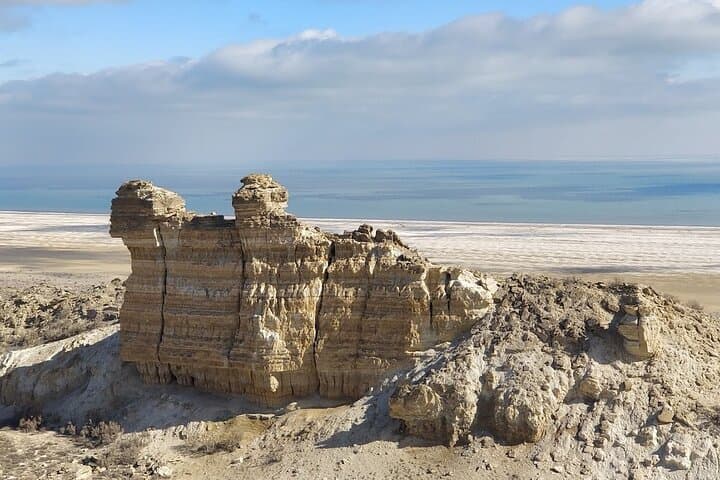
Centuries of caravan trade, Timurid architecture, and Soviet-era industry converge here. Samarkand’s Registan and Gur‑Emir speak to imperial science and patronage; Bukhara’s Ark and Lyabi‑Hauz map medieval commerce and faith; Khiva’s mudbrick Ichan‑Kala preserves premodern urban life. Geology shifts from fertile river terraces to wind‑worked deserts and the Ustyurt’s chalky escarpments; the Aral’s retreat is a visible story of irrigation, ecology, and resilience.
Culturally, expect enduring hospitality—shared pilaf, hands‑on manti and shivit oshi classes, and artisan workshops that keep paper, silk, and carpet traditions alive. Small groups and train travel reduce footprint and increase access to local makers.
Practical guide: plan for long travel days and varied terrain—cobbled courtyards, desert tracks, and uneven archaeological sites. Bring layered clothing for hot afternoons and cool nights, sun protection, a reusable water bottle, and comfortable walking shoes. Carry cash in smaller notes for remote markets and tips; have passport copies and any visas ready. Dawn visits (especially at the Aral and the Ustyurt Plateau) reward quieter light and cooler temperatures. Respect mosque etiquette—cover shoulders and remove shoes where required. With thoughtful pacing, this itinerary balances cultural depth and remote wilderness, offering both the human stories and the stark landscapes that shape them.
moderate.
14 days.
Suitable for travelers in good general health who can manage multiple full days of walking on uneven surfaces and occasional long transfers.
Visa requirements depend on your nationality—check current entry rules and ensure passport validity; many travelers need to secure a visa before arrival.
Yurt camps typically offer basic comfort: beds, shared toilets, and fresh water; they are remote and rustic rather than hotel‑standard—expect simple amenities and communal dining.
Where remaining water is accessible, swimming is possible but conditions vary—check with guides for safe spots and avoid areas with industrial debris.
City touring involves moderate walking on uneven cobbles, steps and courtyards—good mobility and stable footwear are recommended.
These routes trace layers of history from pre‑Islamic Khorezm and Timurid empires to Soviet transformations; every city has monuments that record centuries of trade, science, and faith.
The Aral’s shrinkage highlights regional water‑management challenges; choose operators that support local communities and minimize additional strain on scarce resources.
Umid operates guided outdoor trips and adventures with an emphasis on safety, stewardship, and memorable experiences.
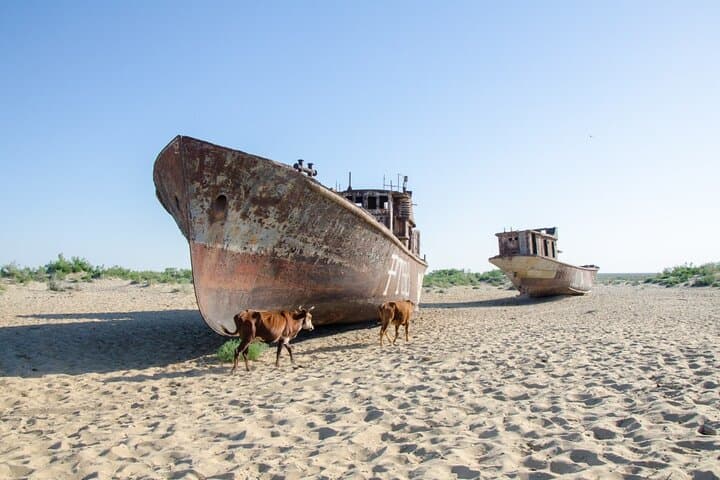
Morning light on the steppe feels like a promise and a warning: wind pushes across flat horizons where ships now rest on sand, and minarets still send their blue gloss into the sky. This 14‑day route threads the great Silk Road cities—Tashkent, Samarkand, Bukhara, Khiva—then carries you west through the Kyzylkum and onto the exposed seabed of the Aral Sea, finishing beneath a yurt sky.
Morning light on the steppe feels like a promise and a warning: wind pushes across flat horizons where ships now rest on sand, and minarets still send their blue gloss into the sky. This 14‑day route threads the great Silk Road cities—Tashkent, Samarkand, Bukhara, Khiva—then carries you west through the Kyzylkum and onto the exposed seabed of the Aral Sea, finishing beneath a yurt sky.
Centuries of caravan trade, Timurid architecture, and Soviet-era industry converge here. Samarkand’s Registan and Gur‑Emir speak to imperial science and patronage; Bukhara’s Ark and Lyabi‑Hauz map medieval commerce and faith; Khiva’s mudbrick Ichan‑Kala preserves premodern urban life. Geology shifts from fertile river terraces to wind‑worked deserts and the Ustyurt’s chalky escarpments; the Aral’s retreat is a visible story of irrigation, ecology, and resilience.
Culturally, expect enduring hospitality—shared pilaf, hands‑on manti and shivit oshi classes, and artisan workshops that keep paper, silk, and carpet traditions alive. Small groups and train travel reduce footprint and increase access to local makers.
Practical guide: plan for long travel days and varied terrain—cobbled courtyards, desert tracks, and uneven archaeological sites. Bring layered clothing for hot afternoons and cool nights, sun protection, a reusable water bottle, and comfortable walking shoes. Carry cash in smaller notes for remote markets and tips; have passport copies and any visas ready. Dawn visits (especially at the Aral and the Ustyurt Plateau) reward quieter light and cooler temperatures. Respect mosque etiquette—cover shoulders and remove shoes where required. With thoughtful pacing, this itinerary balances cultural depth and remote wilderness, offering both the human stories and the stark landscapes that shape them.