THE ADVENTURE COLLECTIVE® · Independent discovery and booking for outdoor travel

Make a long but rewarding day from Vientiane to Vang Vieng—karst caves, a blue lagoon swim, salt‑making, and a slow boat across Nam Ngum. This day trip blends light activity with cultural stops and panoramic river sunsets.
Make a long but rewarding day from Vientiane to Vang Vieng—karst caves, a blue lagoon swim, salt‑making, and a slow boat across Nam Ngum. This day trip blends light activity with cultural stops and panoramic river sunsets.
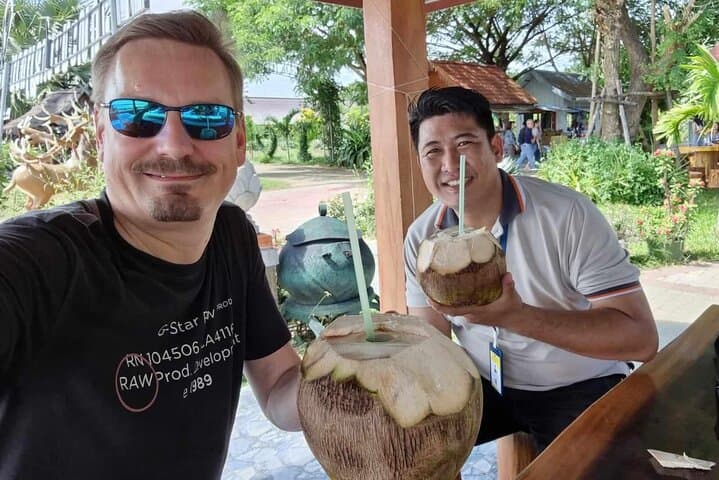
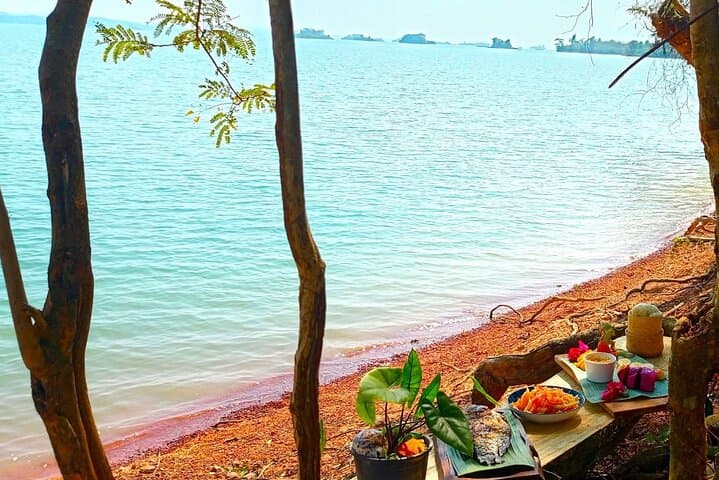
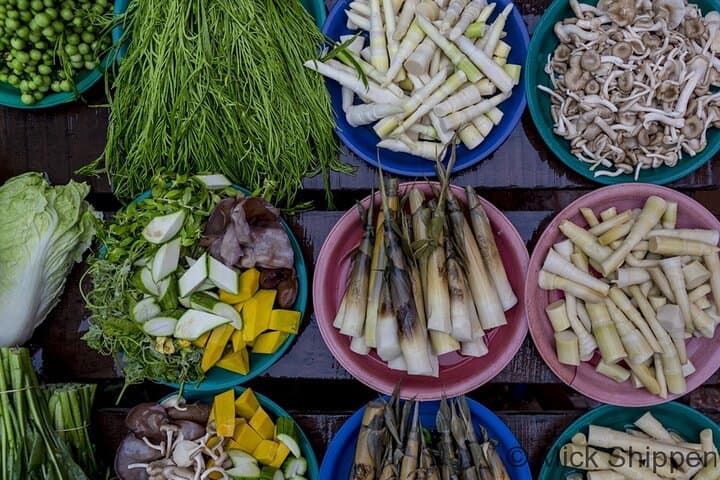
You step off the air‑conditioned minivan as the karst cliffs of Vang Vieng cut into the sky, limestone faces sweating after a brief rain. The market smells of grilled fish and sticky rice; vendors call out over the hum of motorbikes. The day unfolds like a local map: a salt cottage demonstration, an 11th‑century Buddhist sanctuary at Vang Xang, a cave, the clear blue of a lagoon, and a slow boat sliding across Nam Ngum at sunset.
Verified experiences and guided adventures in the surrounding area.
Operated by Laos Private Guide · Vang Vieng, Vientiane
You step off the air‑conditioned minivan as the karst cliffs of Vang Vieng cut into the sky, limestone faces sweating after a brief rain. The market smells of grilled fish and sticky rice; vendors call out over the hum of motorbikes. The day unfolds like a local map: a salt cottage demonstration, an 11th‑century Buddhist sanctuary at Vang Xang, a cave, the clear blue of a lagoon, and a slow boat sliding across Nam Ngum at sunset.
This corridor of central Laos carries layers of history—Khmer influence from the Angkor period, later Buddhist settlement, and villages shaped by riverine trade. Geology dominates: porous karst towers, sinkholes and caves formed over millennia by rain and river erosion. Culturally, vendors and monastic remnants offer a grounded counterpoint to the landscape’s theatrics; expect practical village life alongside ritual sites.
Practically, start early from Vientiane for a full 10–11 hour loop. Wear quick‑dry layers and water shoes for cave approaches and the Blue Lagoon; bring cash for small market purchases and tips. Hydrate throughout—temperatures climb fast once the sun breaks through. Boat time on Nam Ngum gives a relaxed cooldown and good light for photos; kayaking is optional but best in calm conditions. If you have time, ask to stop at the less‑visited riverbend viewpoints for unobstructed sunset lines.
This is an accessible, active day with a mix of short walks, swimming, and easy cultural stops—ideal for travelers who want immersive scenery without technical climbing or multi‑day logistics.
moderate.
10–11 hours.
Good for travelers who can handle a full day with short walks, some swimming, and periods of sitting during transfers
Most tours offer hotel pickup in Vientiane; confirm your pickup location and time when booking to avoid delays.
Yes—many visitors swim; water is generally clear but check depth and avoid diving from unknown heights.
Some operators offer a sunrise hot air balloon in Vang Vieng as an add‑on—reserve in advance as it’s weather dependent.
The itinerary is family friendly with vehicle transfers and short activities, but infants should sit on laps and adults must supervise water activities.
Vang Xang was a Buddhist sanctuary in the 11th century during Khmer and early Lao influences; nearby ruins reflect that layered past.
Karst and river habitats are fragile—avoid trampling vegetation, pack out trash, and use reef‑safe sunscreen to limit water pollution.
Laos Private Guide operates guided outdoor trips and adventures with an emphasis on safety, stewardship, and memorable experiences.
You step off the air‑conditioned minivan as the karst cliffs of Vang Vieng cut into the sky, limestone faces sweating after a brief rain. The market smells of grilled fish and sticky rice; vendors call out over the hum of motorbikes. The day unfolds like a local map: a salt cottage demonstration, an 11th‑century Buddhist sanctuary at Vang Xang, a cave, the clear blue of a lagoon, and a slow boat sliding across Nam Ngum at sunset.
You step off the air‑conditioned minivan as the karst cliffs of Vang Vieng cut into the sky, limestone faces sweating after a brief rain. The market smells of grilled fish and sticky rice; vendors call out over the hum of motorbikes. The day unfolds like a local map: a salt cottage demonstration, an 11th‑century Buddhist sanctuary at Vang Xang, a cave, the clear blue of a lagoon, and a slow boat sliding across Nam Ngum at sunset.
This corridor of central Laos carries layers of history—Khmer influence from the Angkor period, later Buddhist settlement, and villages shaped by riverine trade. Geology dominates: porous karst towers, sinkholes and caves formed over millennia by rain and river erosion. Culturally, vendors and monastic remnants offer a grounded counterpoint to the landscape’s theatrics; expect practical village life alongside ritual sites.
Practically, start early from Vientiane for a full 10–11 hour loop. Wear quick‑dry layers and water shoes for cave approaches and the Blue Lagoon; bring cash for small market purchases and tips. Hydrate throughout—temperatures climb fast once the sun breaks through. Boat time on Nam Ngum gives a relaxed cooldown and good light for photos; kayaking is optional but best in calm conditions. If you have time, ask to stop at the less‑visited riverbend viewpoints for unobstructed sunset lines.
This is an accessible, active day with a mix of short walks, swimming, and easy cultural stops—ideal for travelers who want immersive scenery without technical climbing or multi‑day logistics.