THE ADVENTURE COLLECTIVE® · Independent discovery and booking for outdoor travel

Trace Vincent van Gogh’s short but formative time in London on a focused three‑hour walking tour. Visit Covent Garden, a favourite street of the artist, see his rented quarters, and end with coffee at a local Van Gogh café.
Trace Vincent van Gogh’s short but formative time in London on a focused three‑hour walking tour. Visit Covent Garden, a favourite street of the artist, see his rented quarters, and end with coffee at a local Van Gogh café.
The morning fog over the Thames thins as you join a small group under a painted lamppost in central London, maps folded and breath visible in the cool air. The city feels less modern here — cobbles and bookshops still hum where 19th‑century artists once moved between printrooms and pubs. Walking the route is like following a ledger of Vincent’s days in the city: markets, a rented room on the outskirts, an actors’ courtyard where lunch meant conversation and sketching.
Verified experiences and guided adventures in the surrounding area.
Operated by Pigeon Tours · London, England
The morning fog over the Thames thins as you join a small group under a painted lamppost in central London, maps folded and breath visible in the cool air. The city feels less modern here — cobbles and bookshops still hum where 19th‑century artists once moved between printrooms and pubs. Walking the route is like following a ledger of Vincent’s days in the city: markets, a rented room on the outskirts, an actors’ courtyard where lunch meant conversation and sketching.
Historically, Van Gogh spent time in London working for an art dealer and absorbing the visual energy of the Strand and Covent Garden. The geology of the river plain means the streets slope toward the Thames, where fog and light shaped many artists’ impressions. Culturally, the walk ties Victorian social life — newspapers, theatre, and the hidden pleasures of public parks — to Vincent’s letters home and occasional brushes with scandal.
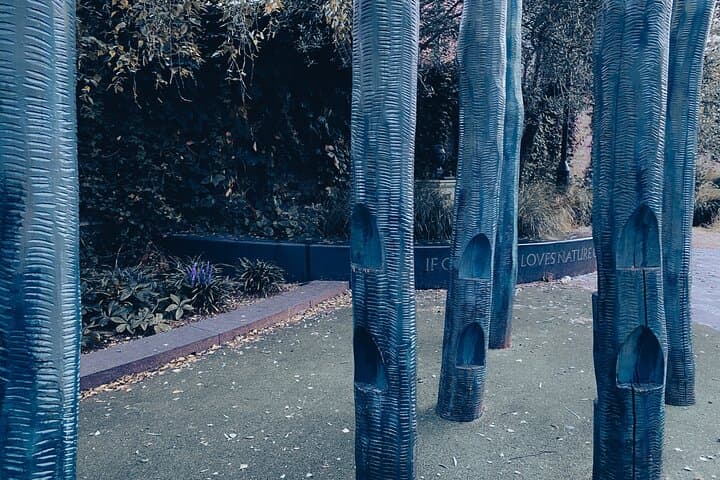
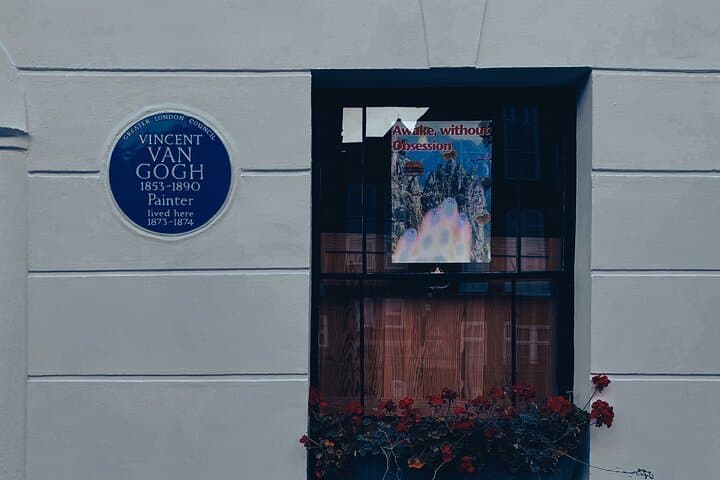
Practical guidance: expect 3 hours of steady urban walking over pavement and occasional park paths; bring a charged phone for photos and maps. Midweek mornings are quieter and offer better access to courtyard details; weekends fill with market crowds. The guide is an artist or historian who focuses on architecture, anecdotes about Van Gogh’s social circles, and visual clues you can still find today. Keep an eye out for small plaques, a modest sculpture, and the Van Gogh café where you finish with tea and debrief. Comfortable footwear, weather layers, and a curiosity for street details will make the walk rewarding and manageable.
moderate.
3 hours.
Suitable for people who can walk 3–5 miles over mixed pavement without difficulty; moderate stamina required.
Tours typically start in central Covent Garden and finish near the Van Gogh café or a nearby meeting point within walking distance of public transport.
The route uses pavements and some uneven cobbles; contact the operator ahead to confirm accessible routing and assistance options.
This is a walking tour focusing on external sites and stories; any optional paid museum entries are not included unless specified.
Yes — children able to handle several hours of walking are welcome; the guide can adapt explanations for younger participants.
Van Gogh worked in London in the early 1870s for an art dealer and absorbed the city’s visual culture; his letters reflect interest in newspapers, theatre and public life.
Respect historic courtyards and private properties by staying on public routes; support independent cafés and local bookshops that help preserve the area’s cultural character.
Pigeon Tours operates guided outdoor trips and adventures with an emphasis on safety, stewardship, and memorable experiences.

The morning fog over the Thames thins as you join a small group under a painted lamppost in central London, maps folded and breath visible in the cool air. The city feels less modern here — cobbles and bookshops still hum where 19th‑century artists once moved between printrooms and pubs. Walking the route is like following a ledger of Vincent’s days in the city: markets, a rented room on the outskirts, an actors’ courtyard where lunch meant conversation and sketching.
The morning fog over the Thames thins as you join a small group under a painted lamppost in central London, maps folded and breath visible in the cool air. The city feels less modern here — cobbles and bookshops still hum where 19th‑century artists once moved between printrooms and pubs. Walking the route is like following a ledger of Vincent’s days in the city: markets, a rented room on the outskirts, an actors’ courtyard where lunch meant conversation and sketching.
Historically, Van Gogh spent time in London working for an art dealer and absorbing the visual energy of the Strand and Covent Garden. The geology of the river plain means the streets slope toward the Thames, where fog and light shaped many artists’ impressions. Culturally, the walk ties Victorian social life — newspapers, theatre, and the hidden pleasures of public parks — to Vincent’s letters home and occasional brushes with scandal.
Practical guidance: expect 3 hours of steady urban walking over pavement and occasional park paths; bring a charged phone for photos and maps. Midweek mornings are quieter and offer better access to courtyard details; weekends fill with market crowds. The guide is an artist or historian who focuses on architecture, anecdotes about Van Gogh’s social circles, and visual clues you can still find today. Keep an eye out for small plaques, a modest sculpture, and the Van Gogh café where you finish with tea and debrief. Comfortable footwear, weather layers, and a curiosity for street details will make the walk rewarding and manageable.