THE ADVENTURE COLLECTIVE® · Independent discovery and booking for outdoor travel

Explore Valparaíso’s colorful hills and Viña del Mar’s coastal promenades on a full-day guided trip. Expect steep stairways, panoramic viewpoints, Pablo Neruda’s home, a flower clock photo stop and an oceanfront lunch.
Explore Valparaíso’s colorful hills and Viña del Mar’s coastal promenades on a full-day guided trip. Expect steep stairways, panoramic viewpoints, Pablo Neruda’s home, a flower clock photo stop and an oceanfront lunch.
The bus pulls away from Santiago and the Pacific horizon appears like a cooled steel blade; by midmorning you’re stepping onto steep, painted streets that climb Valparaíso’s cerros. Colorful houses lean into stairways, ascensores creak where cables still hum, and the harbor calls with a briny breeze that dares you closer.
Verified experiences and guided adventures in the surrounding area.
Operated by Travesia Turismo y Transporte · Valparaíso, Valparaíso Region
The bus pulls away from Santiago and the Pacific horizon appears like a cooled steel blade; by midmorning you’re stepping onto steep, painted streets that climb Valparaíso’s cerros. Colorful houses lean into stairways, ascensores creak where cables still hum, and the harbor calls with a briny breeze that dares you closer.
Valparaíso is a living UNESCO site — a 19th-century port-city shaped by trade, immigrants, and the railway age. Its layered geology of folded coastal plains and steep sandstone bluffs created the dramatic hills that locals turned into neighborhoods. Nearby Viña del Mar grew as a seaside resort with landscaped promenades, beaches, and the iconic Reloj de Flores (Flower Clock) that frames ocean views.
Culturally, the tour threads literature and labor history: Pablo Neruda’s La Sebastiana offers panoramic insight into the poet’s relationship with the city, while murals and marketplaces speak to working-class traditions and maritime commerce. Sea lions sun on rocks near the port; seabirds wheel overhead, part of the daily choreography.
Practical guide: the shared, air-conditioned vehicle handles the coastal drive, but expect walking on uneven cobblestones, steep stairs and short ascents—good shoes are non-negotiable. The itinerary typically includes a panoramic stop at Neruda’s house, a harbor lookout to spot sea lions, and lunch at Castillo del Mar overlooking the Pacific. Bring layered clothing for ocean winds, sun protection, cash for small purchases, and a charged camera. Start early to avoid afternoon haze and give yourself time to sit with a cup of coffee on a hilltop and watch the city push and fold into the sea.
moderate.
9–10 hours.
Good for travelers who can handle several hours of walking, stairs and short steep climbs; not strenuous hiking-level fitness but steady on feet.
Yes — the standard itinerary includes a lunch stop, typically at Castillo del Mar or a similar ocean-view restaurant, as stated in the tour details.
The tour uses accessible transportation, but Valparaíso’s steep hills and many steps mean some viewpoints may be difficult for those with limited mobility; notify the operator about needs when booking.
Major stops may accept cards, but vendors and smaller shops often prefer cash, so carrying some Chilean pesos is recommended for incidentals.
Sea lions are commonly seen from shoreline viewpoints around Valparaíso’s harbor and nearby rocks, though wildlife sightings cannot be guaranteed.
Valparaíso expanded in the 19th century as a global port between Europe and the Pacific, shaping its hillside neighborhoods, ascensores (funiculars), and cosmopolitan architecture.
Urban conservation focuses on preserving historic buildings and managing tourism impacts on fragile hillside neighborhoods; stick to paths and support local businesses to reduce pressure on sensitive sites.
Travesia Turismo y Transporte operates guided outdoor trips and adventures with an emphasis on safety, stewardship, and memorable experiences.
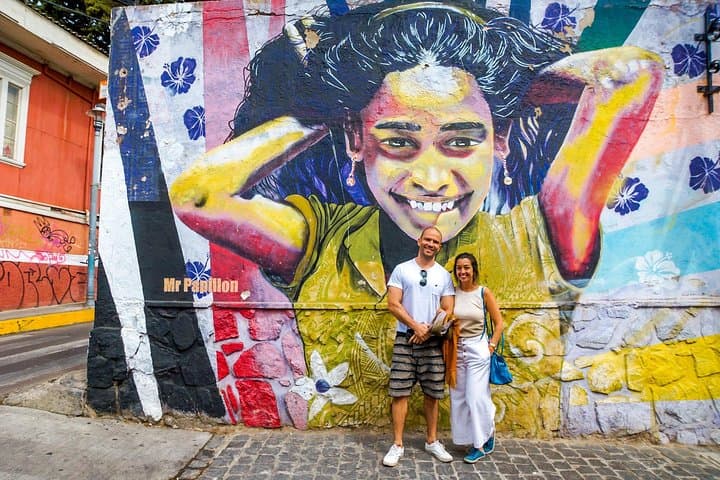



The bus pulls away from Santiago and the Pacific horizon appears like a cooled steel blade; by midmorning you’re stepping onto steep, painted streets that climb Valparaíso’s cerros. Colorful houses lean into stairways, ascensores creak where cables still hum, and the harbor calls with a briny breeze that dares you closer.
The bus pulls away from Santiago and the Pacific horizon appears like a cooled steel blade; by midmorning you’re stepping onto steep, painted streets that climb Valparaíso’s cerros. Colorful houses lean into stairways, ascensores creak where cables still hum, and the harbor calls with a briny breeze that dares you closer.
Valparaíso is a living UNESCO site — a 19th-century port-city shaped by trade, immigrants, and the railway age. Its layered geology of folded coastal plains and steep sandstone bluffs created the dramatic hills that locals turned into neighborhoods. Nearby Viña del Mar grew as a seaside resort with landscaped promenades, beaches, and the iconic Reloj de Flores (Flower Clock) that frames ocean views.
Culturally, the tour threads literature and labor history: Pablo Neruda’s La Sebastiana offers panoramic insight into the poet’s relationship with the city, while murals and marketplaces speak to working-class traditions and maritime commerce. Sea lions sun on rocks near the port; seabirds wheel overhead, part of the daily choreography.
Practical guide: the shared, air-conditioned vehicle handles the coastal drive, but expect walking on uneven cobblestones, steep stairs and short ascents—good shoes are non-negotiable. The itinerary typically includes a panoramic stop at Neruda’s house, a harbor lookout to spot sea lions, and lunch at Castillo del Mar overlooking the Pacific. Bring layered clothing for ocean winds, sun protection, cash for small purchases, and a charged camera. Start early to avoid afternoon haze and give yourself time to sit with a cup of coffee on a hilltop and watch the city push and fold into the sea.