THE ADVENTURE COLLECTIVE® · Independent discovery and booking for outdoor travel

Walk the steep, mural-splashed hills of Valparaíso with a local guide who explains the city’s funiculars, viewpoints and bohemian neighborhoods. This 2–3 hour tour mixes panoramic photo stops, Pablo Neruda’s La Sebastiana and historic elevators for a compact introduction to the port’s layered history.
Walk the steep, mural-splashed hills of Valparaíso with a local guide who explains the city’s funiculars, viewpoints and bohemian neighborhoods. This 2–3 hour tour mixes panoramic photo stops, Pablo Neruda’s La Sebastiana and historic elevators for a compact introduction to the port’s layered history.
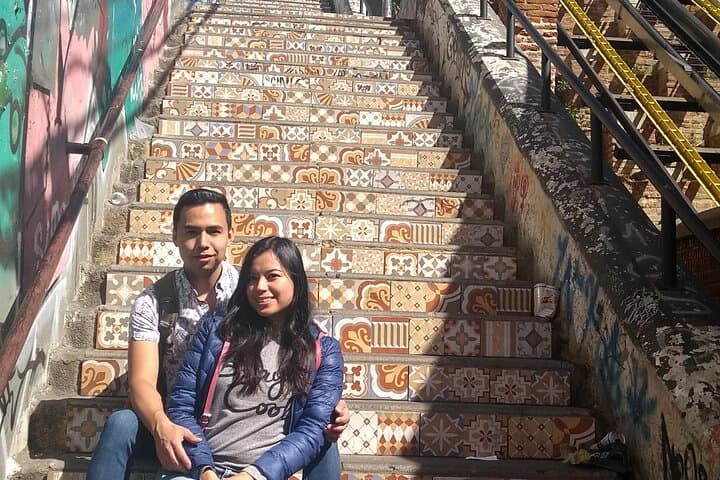
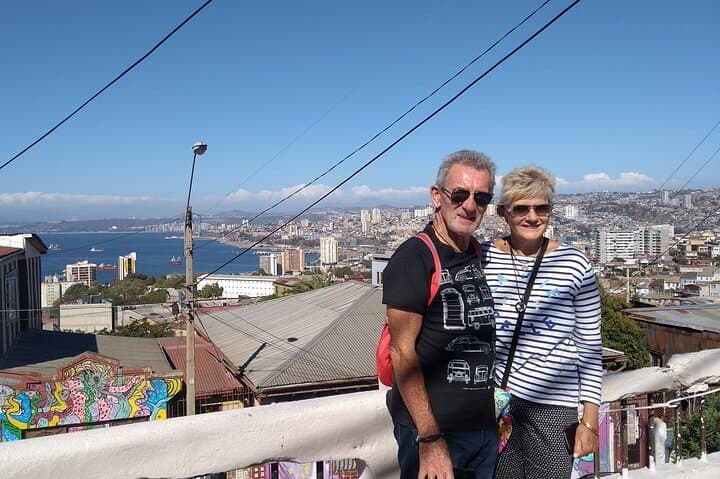
You start on a wind-creased promenade, the Pacific daring you with a salty breath while cables hum overhead and a patchwork of painted houses climbs the hills. The guide points out an old funicular door and the city opens in tiers—harbour below, alleys threaded up the cerros, and lookout points framed by iron railings.
Verified experiences and guided adventures in the surrounding area.
Operated by TOUR ASCENSORES Y MIRADORES DE VALPARAISO · Valparaíso, Valparaíso Region
You start on a wind-creased promenade, the Pacific daring you with a salty breath while cables hum overhead and a patchwork of painted houses climbs the hills. The guide points out an old funicular door and the city opens in tiers—harbour below, alleys threaded up the cerros, and lookout points framed by iron railings.
Valparaíso grew as Chile’s principal Pacific port; its network of ascensores (historic funiculars) and steep callejones date to the late 19th and early 20th centuries when maritime trade, British engineers and immigrant communities reshaped the hills. Geologically the city sits on uplifted terraces and steep coastal bluffs, which explain the sudden stairs, short switchbacks and panoramic drops to the bay.
Culturally the route mixes Neruda’s La Sebastiana, bohemian cafés and large-scale street art—this is a city where murals spill into everyday life. Local life centers on small mercados, seafood stands and plazas where fishermen still count the day’s catch.
Practically: expect 2–3 hours on uneven cobbles and many steps; the tour includes a bilingual guide and bottled water. Wear grippy shoes and sun protection, bring small-change for cafes and museum entry, and plan for narrow streets—those with mobility limits should discuss pickup points in advance. Early morning and late afternoon light are best for photos and cooler walking. The route balances history, art and mechanics: you’ll ride or view several elevators, stand at classic overlooks like Paseo Gervasoni and Atkinson, and finish with a clearer sense of how the sea, trade and immigrants shaped Valparaíso’s vertical city.
moderate.
2–3 hours.
Moderate fitness needed—comfortable walking for 2–3 hours, comfortable with stairs and uneven ground
The tour lasts about 2–3 hours and includes walking on cobbled streets, multiple flights of stairs and stops at viewpoints—expect moderate exertion.
The itinerary includes visits to several historic ascensores; whether a ride is included depends on individual elevator operations and entry fees—confirm on booking.
Guides provide commentary in Spanish and English according to the tour listing and inclusions.
Children can enjoy the vibrant art and short walks, but the route has steep streets and many steps; travelers with mobility limitations should request pickup points or shorter, alternative routes when booking.
Valparaíso grew into Chile’s main Pacific port in the 19th century; its network of funiculars and immigrant-built terraces reflect a boom tied to maritime trade and foreign investment.
Historic ascensores and hillside neighborhoods face wear from visitors and coastal erosion—stay on marked paths, respect murals and support local guides and businesses to help preserve the area.
TOUR ASCENSORES Y MIRADORES DE VALPARAISO operates guided outdoor trips and adventures with an emphasis on safety, stewardship, and memorable experiences.


You start on a wind-creased promenade, the Pacific daring you with a salty breath while cables hum overhead and a patchwork of painted houses climbs the hills. The guide points out an old funicular door and the city opens in tiers—harbour below, alleys threaded up the cerros, and lookout points framed by iron railings.
You start on a wind-creased promenade, the Pacific daring you with a salty breath while cables hum overhead and a patchwork of painted houses climbs the hills. The guide points out an old funicular door and the city opens in tiers—harbour below, alleys threaded up the cerros, and lookout points framed by iron railings.
Valparaíso grew as Chile’s principal Pacific port; its network of ascensores (historic funiculars) and steep callejones date to the late 19th and early 20th centuries when maritime trade, British engineers and immigrant communities reshaped the hills. Geologically the city sits on uplifted terraces and steep coastal bluffs, which explain the sudden stairs, short switchbacks and panoramic drops to the bay.
Culturally the route mixes Neruda’s La Sebastiana, bohemian cafés and large-scale street art—this is a city where murals spill into everyday life. Local life centers on small mercados, seafood stands and plazas where fishermen still count the day’s catch.
Practically: expect 2–3 hours on uneven cobbles and many steps; the tour includes a bilingual guide and bottled water. Wear grippy shoes and sun protection, bring small-change for cafes and museum entry, and plan for narrow streets—those with mobility limits should discuss pickup points in advance. Early morning and late afternoon light are best for photos and cooler walking. The route balances history, art and mechanics: you’ll ride or view several elevators, stand at classic overlooks like Paseo Gervasoni and Atkinson, and finish with a clearer sense of how the sea, trade and immigrants shaped Valparaíso’s vertical city.