THE ADVENTURE COLLECTIVE® · Independent discovery and booking for outdoor travel

A compact 8-hour day trip that pairs Valparaíso’s colorful hills and street art with Viña del Mar’s coastline and Neruda’s house. Ideal for travelers who want cultural history, sweeping port views and a seaside stroll in one day.
A compact 8-hour day trip that pairs Valparaíso’s colorful hills and street art with Viña del Mar’s coastline and Neruda’s house. Ideal for travelers who want cultural history, sweeping port views and a seaside stroll in one day.
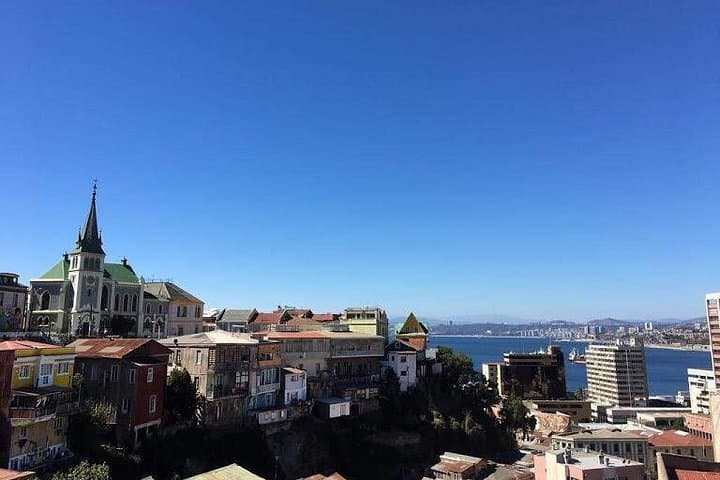
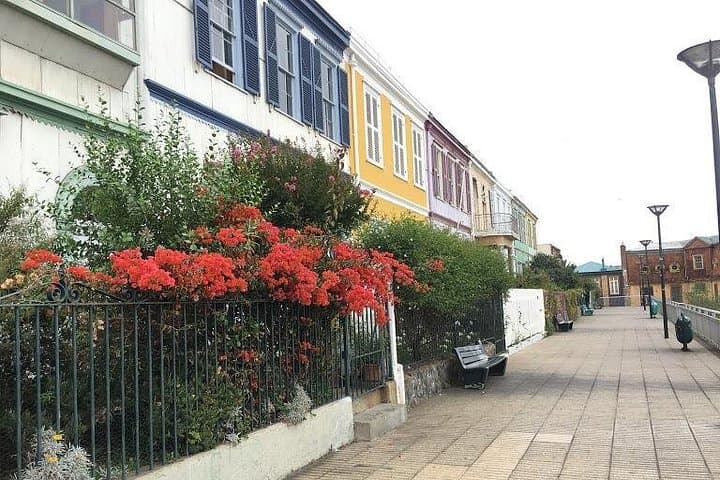
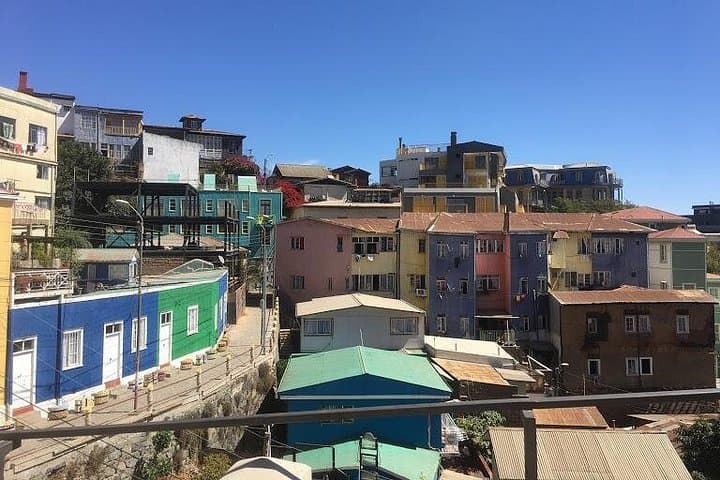
Street sounds, gulls and the ocean open the day as the bus drops you at Plaza Sotomayor — the port air salt-stung and brisk. You move from waterfront promenades up into patchwork hills where funiculars still climb like mechanical lungs and narrow alleys thread between painted houses. The climb rewards with balconies that look out over a busy harbor and the Pacific pushing hard at the coast.
Verified experiences and guided adventures in the surrounding area.
Operated by Waiwen Travel · Valparaíso, Valparaíso Region
Street sounds, gulls and the ocean open the day as the bus drops you at Plaza Sotomayor — the port air salt-stung and brisk. You move from waterfront promenades up into patchwork hills where funiculars still climb like mechanical lungs and narrow alleys thread between painted houses. The climb rewards with balconies that look out over a busy harbor and the Pacific pushing hard at the coast.
Valparaíso grew as Chile’s principal 19th-century port; its steep cerros are carved by old tram lines, immigrant neighborhoods and layered architecture. Geologically the city sits on coastal terraces that plunge to the sea, creating abrupt viewpoints; the region’s mild Mediterranean climate shapes scrubby coastal vegetation and year-round seabird activity. Culture arrives here in broad strokes: street murals that argue with the wind, bohemian cafés, and La Sebastiana, Pablo Neruda’s house-museum perched to watch ships go by.
The route typically continues west to Viña del Mar via the coastal road, stopping at the Flower Clock and Reñaca beach for a brisk shoreline stroll. Expect about 8 hours in total with multiple short walks and elevator rides (funiculars) between levels of the city; many museums require separate admission.
Practical edge: wear good-grip shoes for cobbles and steps, carry a light layer and water, and plan for photos at mid-morning or late afternoon when light slants across the murals. If you have limited mobility, notify the operator—some viewpoints are reached by steep streets but several panoramic stops are vehicle-accessible.
easy.
8 hours.
Suitable for most fitness levels; requires standing and short uphill walks on cobbles and stairs
Typical duration is about 8 hours; private transportation, bottled water and onboard Wi‑Fi are included, but most museum admissions are not.
Families are welcome and strollers can be used in many flat areas, but steep streets and stairs may limit easy access to some viewpoints.
Yes, this is offered as a private tour and requires a minimum of two passengers to operate.
The itinerary stops at Pablo Neruda’s house-museum, but admission is typically not included—buy tickets on-site or confirm ahead with the operator.
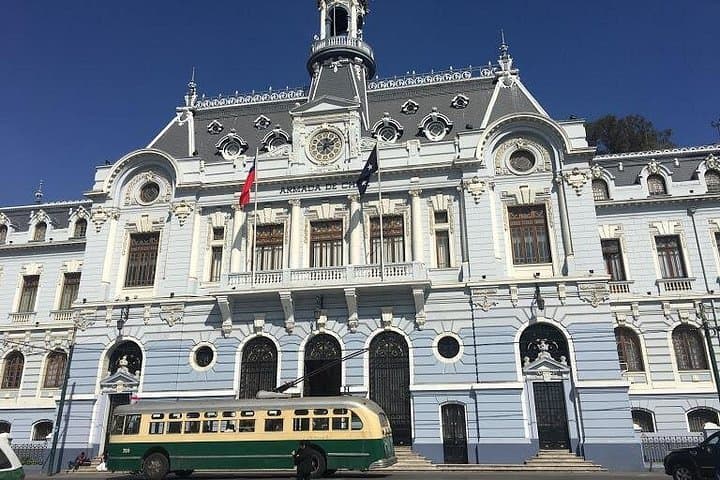
Valparaíso was Chile’s primary Pacific port in the 19th century and its historic quarter is a UNESCO World Heritage site for its unique port-city urban fabric.
Urban conservation focuses on preserving historic hillsides and protecting street art while managing erosion and coastal development; visitors should avoid climbing on fragile mural surfaces and follow marked paths.
Waiwen Travel operates guided outdoor trips and adventures with an emphasis on safety, stewardship, and memorable experiences.
Street sounds, gulls and the ocean open the day as the bus drops you at Plaza Sotomayor — the port air salt-stung and brisk. You move from waterfront promenades up into patchwork hills where funiculars still climb like mechanical lungs and narrow alleys thread between painted houses. The climb rewards with balconies that look out over a busy harbor and the Pacific pushing hard at the coast.
Street sounds, gulls and the ocean open the day as the bus drops you at Plaza Sotomayor — the port air salt-stung and brisk. You move from waterfront promenades up into patchwork hills where funiculars still climb like mechanical lungs and narrow alleys thread between painted houses. The climb rewards with balconies that look out over a busy harbor and the Pacific pushing hard at the coast.
Valparaíso grew as Chile’s principal 19th-century port; its steep cerros are carved by old tram lines, immigrant neighborhoods and layered architecture. Geologically the city sits on coastal terraces that plunge to the sea, creating abrupt viewpoints; the region’s mild Mediterranean climate shapes scrubby coastal vegetation and year-round seabird activity. Culture arrives here in broad strokes: street murals that argue with the wind, bohemian cafés, and La Sebastiana, Pablo Neruda’s house-museum perched to watch ships go by.
The route typically continues west to Viña del Mar via the coastal road, stopping at the Flower Clock and Reñaca beach for a brisk shoreline stroll. Expect about 8 hours in total with multiple short walks and elevator rides (funiculars) between levels of the city; many museums require separate admission.
Practical edge: wear good-grip shoes for cobbles and steps, carry a light layer and water, and plan for photos at mid-morning or late afternoon when light slants across the murals. If you have limited mobility, notify the operator—some viewpoints are reached by steep streets but several panoramic stops are vehicle-accessible.