THE ADVENTURE COLLECTIVE® · Independent discovery and booking for outdoor travel

Explore lesser-known West Bank tombs and Medinet Habu on a private six-hour tour that combines well-preserved reliefs, Howard Carter’s house, and a local lunch. Expect uneven stone floors, desert sun, and guided interpretation of New and Old Kingdom sites.
Explore lesser-known West Bank tombs and Medinet Habu on a private six-hour tour that combines well-preserved reliefs, Howard Carter’s house, and a local lunch. Expect uneven stone floors, desert sun, and guided interpretation of New and Old Kingdom sites.
A pale light filters over the Nile as the air cools and the West Bank comes into focus: flat fields give way to low, sun-baked cliffs carved with doorways to the afterlife. On this private six-hour circuit visitors move from painted burial chambers to the monumental pylons of Habu Temple, each site a different chapter in the long story of Luxor.
Verified experiences and guided adventures in the surrounding area.
Operated by The Opulence of Egypt · Luxor, Luxor Governorate
A pale light filters over the Nile as the air cools and the West Bank comes into focus: flat fields give way to low, sun-baked cliffs carved with doorways to the afterlife. On this private six-hour circuit visitors move from painted burial chambers to the monumental pylons of Habu Temple, each site a different chapter in the long story of Luxor.
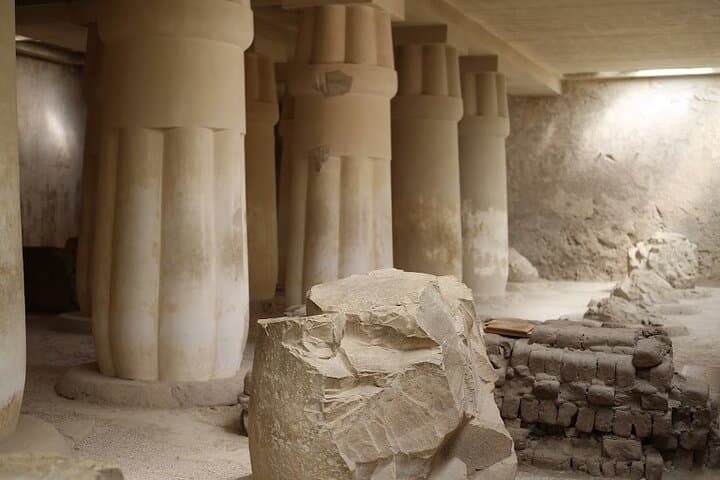
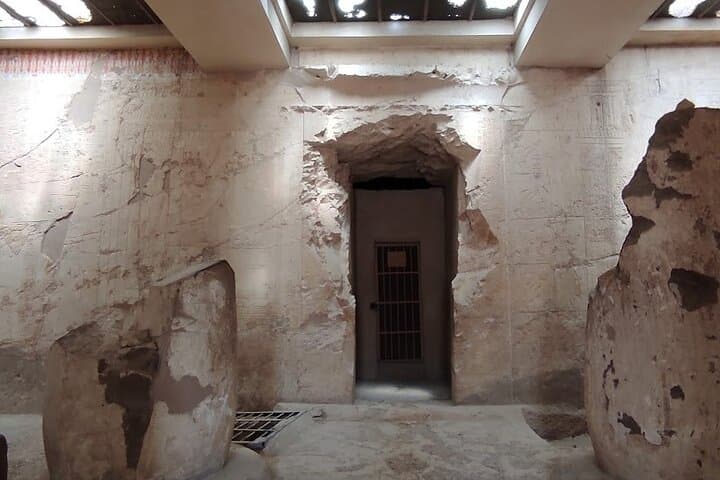
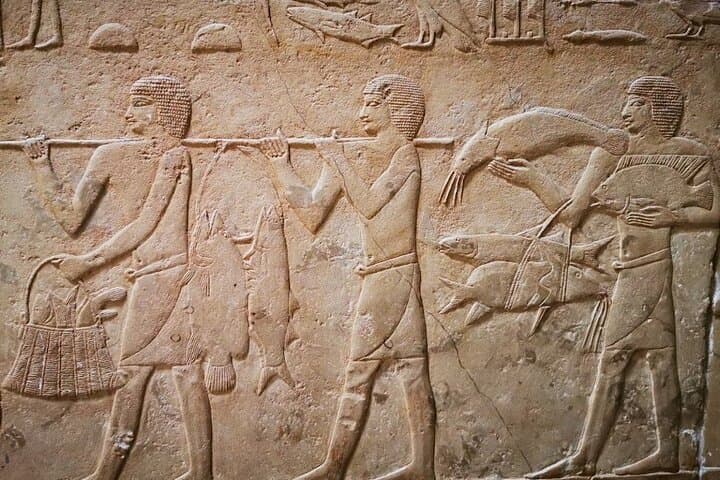
The route stitches together eras. Tombs like Rekhmire preserve New Kingdom administrative life under Thutmose III; a stop invoking Sneferu ties the area back to Old Kingdom dynasties. Medinet Habu (Habu Temple) bears the carved rhetoric of Ramesses III and offers a rare, well-preserved example of temple plan and ritual relief. The modest house of Howard Carter, whose early-20th-century excavations transformed modern Egyptology, now gives everyday context to the big discoveries.
Geology is simple and useful: soft limestone and sandstone facilitated precise carving but also means frescoes are fragile—limited light and controlled access protect painted surfaces. Culture here is local and immediate: guides explain ritual, family-run eateries serve lunch, and small communities still draw water and work the river plain.
Practical guidance: expect uneven stone floors, low doorways and steps; comfortable walking shoes and a wide-brim hat are essential. The tour includes transfers in an air-conditioned vehicle, bottled water and lunch; carry your passport for admissions. Start early in summer to avoid peak heat, keep camera flash off in tombs, and pace your day—Luxor asks for steady feet and patient attention, not speed.
moderate.
6 hours.
Moderate fitness; comfortable walking on uneven ground for several hours with some stairs and slopes.
The tour itinerary indicates admissions to the tombs and Habu Temple are included; bring your passport for verification.
Expect several hours of walking on uneven surfaces and steps—moderate fitness is recommended; not suitable for travelers with severe spinal or heart conditions.
Yes—lunch is included and may be in a local restaurant or a family home, offering authentic Egyptian cuisine.
Photography policies vary by tomb; flash is generally prohibited to protect wall paintings—ask your guide and respect signage.
The sites span Egypt’s long timeline: Rekhmire dates to the New Kingdom under Thutmose III, Habu Temple is largely Ramesses III’s work, and the area connects back to Old Kingdom rulers like Sneferu.
Tomb pigments are highly sensitive to humidity and light—avoid flash photography and stay on designated paths; supporting licensed guides helps fund preservation and local economies.
The Opulence of Egypt operates guided outdoor trips and adventures with an emphasis on safety, stewardship, and memorable experiences.
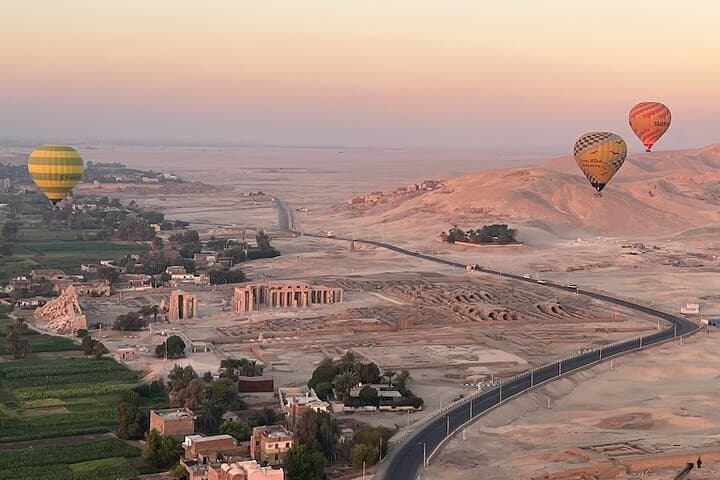
A pale light filters over the Nile as the air cools and the West Bank comes into focus: flat fields give way to low, sun-baked cliffs carved with doorways to the afterlife. On this private six-hour circuit visitors move from painted burial chambers to the monumental pylons of Habu Temple, each site a different chapter in the long story of Luxor.
A pale light filters over the Nile as the air cools and the West Bank comes into focus: flat fields give way to low, sun-baked cliffs carved with doorways to the afterlife. On this private six-hour circuit visitors move from painted burial chambers to the monumental pylons of Habu Temple, each site a different chapter in the long story of Luxor.
The route stitches together eras. Tombs like Rekhmire preserve New Kingdom administrative life under Thutmose III; a stop invoking Sneferu ties the area back to Old Kingdom dynasties. Medinet Habu (Habu Temple) bears the carved rhetoric of Ramesses III and offers a rare, well-preserved example of temple plan and ritual relief. The modest house of Howard Carter, whose early-20th-century excavations transformed modern Egyptology, now gives everyday context to the big discoveries.
Geology is simple and useful: soft limestone and sandstone facilitated precise carving but also means frescoes are fragile—limited light and controlled access protect painted surfaces. Culture here is local and immediate: guides explain ritual, family-run eateries serve lunch, and small communities still draw water and work the river plain.
Practical guidance: expect uneven stone floors, low doorways and steps; comfortable walking shoes and a wide-brim hat are essential. The tour includes transfers in an air-conditioned vehicle, bottled water and lunch; carry your passport for admissions. Start early in summer to avoid peak heat, keep camera flash off in tombs, and pace your day—Luxor asks for steady feet and patient attention, not speed.