THE ADVENTURE COLLECTIVE® · Independent discovery and booking for outdoor travel

Spend a dramatic half‑day in Valle de la Luna outside San Pedro de Atacama, exploring salt‑carved amphitheatres, sculpted mud formations and wind‑blown dunes. This private tour times the light for the desert’s changing colors and includes key viewpoints like Duna Mayor I and Piedra del Coyote.
Spend a dramatic half‑day in Valle de la Luna outside San Pedro de Atacama, exploring salt‑carved amphitheatres, sculpted mud formations and wind‑blown dunes. This private tour times the light for the desert’s changing colors and includes key viewpoints like Duna Mayor I and Piedra del Coyote.
You step out of the air‑conditioned vehicle into a silence so dry it feels like paper; wind tugs at your jacket and the salt‑lined ridges around you seem to hold their breath. The Valley of the Moon (Valle de la Luna) opens in bands of rust, ochre and bone white, a sculpted landscape where dunes shoulder up against carved salt walls and the light changes with the mood of the day.
Verified experiences and guided adventures in the surrounding area.
Operated by taxiGo Limo Airport Service · San Pedro de Atacama, Antofagasta Region
You step out of the air‑conditioned vehicle into a silence so dry it feels like paper; wind tugs at your jacket and the salt‑lined ridges around you seem to hold their breath. The Valley of the Moon (Valle de la Luna) opens in bands of rust, ochre and bone white, a sculpted landscape where dunes shoulder up against carved salt walls and the light changes with the mood of the day.
Geology here is the story: ancient salt deposits overlain by wind‑blown sediments, then carved by occasional streams and relentless thermal cycles into amphitheatres, spires and undulating dunes. The reserve sits in the Cordillera de la Sal and has been observed and traversed for millennia by the Likan Antai people; modern visitors often arrive at dusk to watch the desert’s palette shift.
Culturally, San Pedro de Atacama is the logical base—small adobe streets, artisan stalls and a long history of salt and copper trade link town life to these plains.
Practical guidance: this private, half‑day excursion is about five hours with short walks on packed salt and sand. Expect uneven, sometimes loose terrain and strong sun; layers are essential because temperatures swing quickly between day and dusk. The itinerary commonly includes viewpoints such as the Amphitheatre, Las Tres Marías and Duna Mayor I, ending at Piedra del Coyote (approx. 2,550 m) for sunset. Bring water, sunscreen, closed‑toe shoes and a camera with a wide lens. Operators usually provide pickup and drop‑off; confirm park entrance fees and any mobility needs in advance. Move gently across the crust—this landscape is fragile, and staying on designated paths preserves the formations for the next traveler.
easy.
5 hours.
Suitable for most travelers who can walk short unpaved sections and climb modest dunes; little sustained exertion required.
This private half‑day tour lasts about five hours and typically includes pickup/drop‑off in San Pedro, transport to viewpoints like the Amphitheatre, Las Tres Marías, Duna Mayor I, and Piedra del Coyote, plus time to watch sunset.
Policies vary by operator—many tours require park or reserve entrance fees paid on arrival; confirm inclusion with your booking agent before departure.
The tour is family friendly and operators often provide infant seats, but expect short walks on uneven surfaces—confirm child arrangements at booking.
San Pedro and surrounding viewpoints sit around 2,400–2,600 m; most travelers acclimate easily but those with serious cardiopulmonary conditions should consult a doctor. The tour is not recommended for pregnant travelers per operator notes.
The area around Valle de la Luna has long been traversed by the Likan Antai (Atacameño) people; salt and mineral extraction have shaped regional routes for centuries.
The salt crust and sparse vegetation are fragile—stay on marked routes, pack out all trash and avoid stepping on crust formations to reduce erosion and preserve habitat.
taxiGo Limo Airport Service operates guided outdoor trips and adventures with an emphasis on safety, stewardship, and memorable experiences.
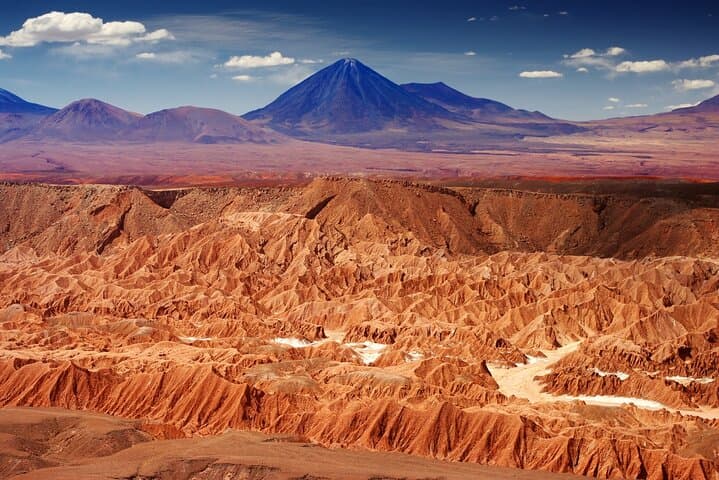
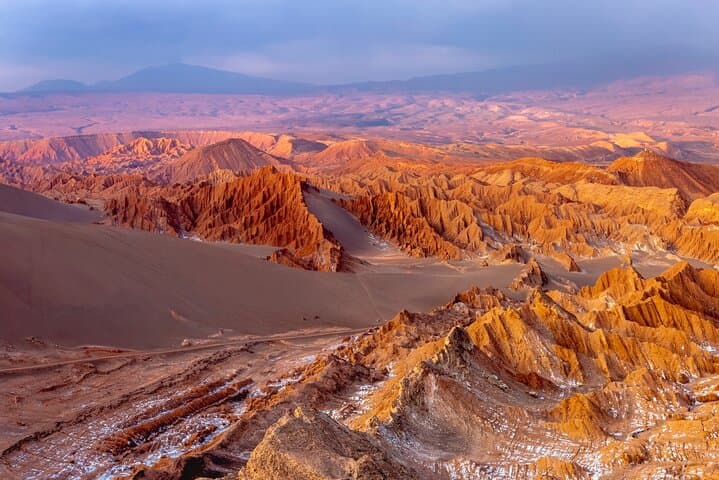

You step out of the air‑conditioned vehicle into a silence so dry it feels like paper; wind tugs at your jacket and the salt‑lined ridges around you seem to hold their breath. The Valley of the Moon (Valle de la Luna) opens in bands of rust, ochre and bone white, a sculpted landscape where dunes shoulder up against carved salt walls and the light changes with the mood of the day.
You step out of the air‑conditioned vehicle into a silence so dry it feels like paper; wind tugs at your jacket and the salt‑lined ridges around you seem to hold their breath. The Valley of the Moon (Valle de la Luna) opens in bands of rust, ochre and bone white, a sculpted landscape where dunes shoulder up against carved salt walls and the light changes with the mood of the day.
Geology here is the story: ancient salt deposits overlain by wind‑blown sediments, then carved by occasional streams and relentless thermal cycles into amphitheatres, spires and undulating dunes. The reserve sits in the Cordillera de la Sal and has been observed and traversed for millennia by the Likan Antai people; modern visitors often arrive at dusk to watch the desert’s palette shift.
Culturally, San Pedro de Atacama is the logical base—small adobe streets, artisan stalls and a long history of salt and copper trade link town life to these plains.
Practical guidance: this private, half‑day excursion is about five hours with short walks on packed salt and sand. Expect uneven, sometimes loose terrain and strong sun; layers are essential because temperatures swing quickly between day and dusk. The itinerary commonly includes viewpoints such as the Amphitheatre, Las Tres Marías and Duna Mayor I, ending at Piedra del Coyote (approx. 2,550 m) for sunset. Bring water, sunscreen, closed‑toe shoes and a camera with a wide lens. Operators usually provide pickup and drop‑off; confirm park entrance fees and any mobility needs in advance. Move gently across the crust—this landscape is fragile, and staying on designated paths preserves the formations for the next traveler.