THE ADVENTURE COLLECTIVE® · Independent discovery and booking for outdoor travel

High-altitude meadows explode into color for a brief window each monsoon—this guide explains how to reach the Valley of Flowers from Ghangaria, what to expect on trail, and how to prepare for unstable mountain weather and fragile ecosystems.
High-altitude meadows explode into color for a brief window each monsoon—this guide explains how to reach the Valley of Flowers from Ghangaria, what to expect on trail, and how to prepare for unstable mountain weather and fragile ecosystems.
You step out of Ghangaria before first light and the valley answers in color: a low cloud bank lifts, revealing swathes of alpine blooms that push like a living carpet toward the surrounding crags. Waterfalls braid the slopes; a cool wind pushes pollen across the trail, daring you to slow and take it in.
Verified experiences and guided adventures in the surrounding area.
Operated by Three Sixty Holidays Pvt. Ltd. · Ghangaria, Uttarakhand
You step out of Ghangaria before first light and the valley answers in color: a low cloud bank lifts, revealing swathes of alpine blooms that push like a living carpet toward the surrounding crags. Waterfalls braid the slopes; a cool wind pushes pollen across the trail, daring you to slow and take it in.
The Valley of Flowers was described to the outside world by T.G. Longstaff and Frank Smythe in 1931, though locals long called it Nandankanan. Geologically it is a high-altitude glacial basin—moraines and seasonal streams carve terraces where over a thousand species of alpine flora find niches. The area became India’s national park in 1982 and part of the Nanda Devi Biosphere; UNESCO recognition followed, protecting both plants and the fragile soils they grow in.
Culturally the route threads pilgrimage and pastoral life: Govindghat and Ghangaria service trekkers and pilgrims bound for Hemkund Sahib, a high-elevation gurudwara beside a glacial lake.
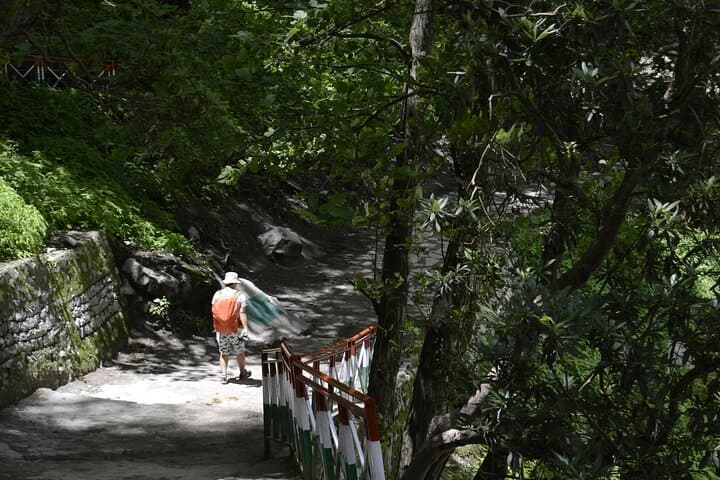
Practical guidance: the Valley is reached by a 5 km one-way trek from Ghangaria (trail mixed: packed earth, scree, stone steps) at roughly 3,650 m elevation. Best viewing is mid-July to mid-August when monsoon-fed blooms peak. Expect cool mornings, sudden showers, and soft meadow mud after rain. Wear sturdy boots with ankle support, carry waterproof layers, and prioritize slow ascent for altitude acclimatization. Stay on marked paths, avoid picking or trampling flowers, and plan water, sun protection, and a permit or park fee where required. The walk is rewarding, sensory, and demands respect: the valley holds its beauty only with careful visitors.
challenging.
5–7 days.
Good cardiovascular fitness and prior trekking experience at altitude help; ability to walk 5–8 hours on uneven terrain is recommended.
Mid-July to mid-August is peak bloom when monsoon-fed alpine flowers are most abundant.
The trail is about 5 km one-way from Ghangaria, typically 2–4 hours depending on pace and stops for photography.
Park entry fees and permits are required; local guides are recommended for safety, acclimatization advice, and to reduce environmental impact.
Yes—Hemkund Sahib is commonly combined with the Valley of Flowers; it’s a steeper 6 km ascent from Ghangaria and sits above 4,300 m.
Longstaff and Frank Smythe introduced the valley to international botanists in 1931; locals called it Nandankanan and the area became a national park in 1982 before UNESCO listing as part of the greater Nanda Devi Biosphere.
The alpine meadows are ecologically fragile—stay on marked trails, avoid picking plants, and support local conservation fees that fund park management.
Three Sixty Holidays Pvt. Ltd. operates guided outdoor trips and adventures with an emphasis on safety, stewardship, and memorable experiences.
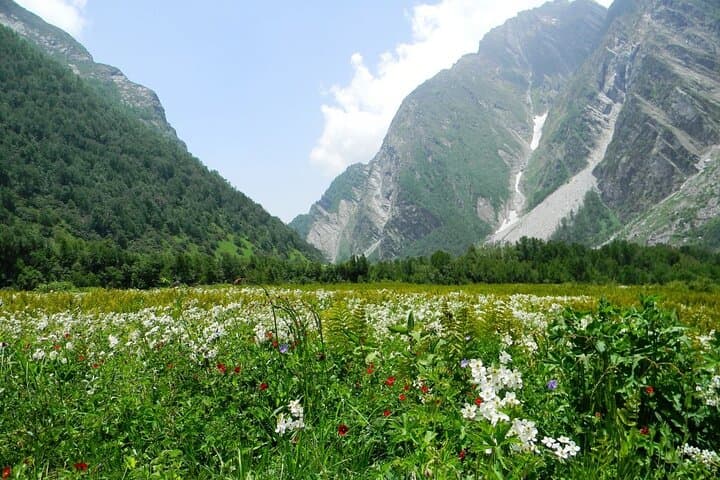
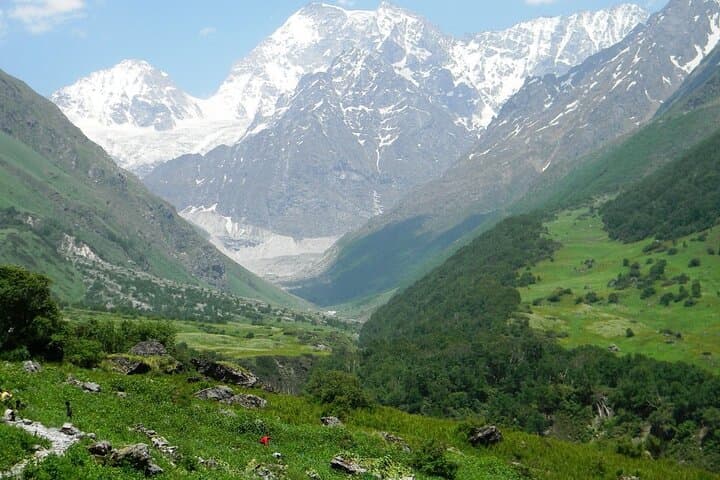
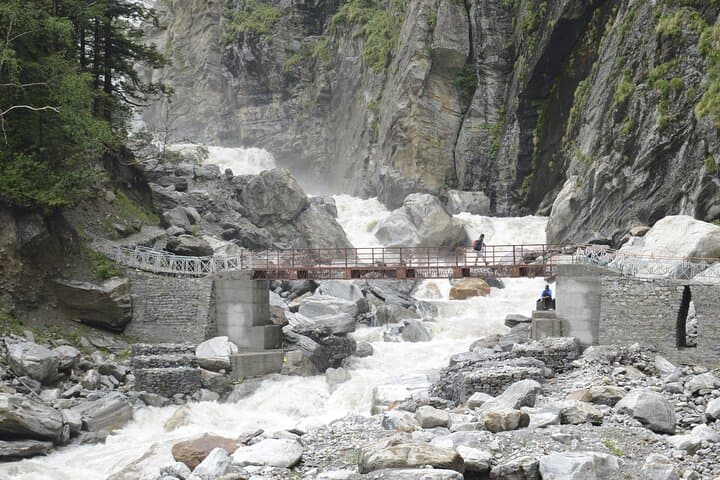
You step out of Ghangaria before first light and the valley answers in color: a low cloud bank lifts, revealing swathes of alpine blooms that push like a living carpet toward the surrounding crags. Waterfalls braid the slopes; a cool wind pushes pollen across the trail, daring you to slow and take it in.
You step out of Ghangaria before first light and the valley answers in color: a low cloud bank lifts, revealing swathes of alpine blooms that push like a living carpet toward the surrounding crags. Waterfalls braid the slopes; a cool wind pushes pollen across the trail, daring you to slow and take it in.
The Valley of Flowers was described to the outside world by T.G. Longstaff and Frank Smythe in 1931, though locals long called it Nandankanan. Geologically it is a high-altitude glacial basin—moraines and seasonal streams carve terraces where over a thousand species of alpine flora find niches. The area became India’s national park in 1982 and part of the Nanda Devi Biosphere; UNESCO recognition followed, protecting both plants and the fragile soils they grow in.
Culturally the route threads pilgrimage and pastoral life: Govindghat and Ghangaria service trekkers and pilgrims bound for Hemkund Sahib, a high-elevation gurudwara beside a glacial lake.
Practical guidance: the Valley is reached by a 5 km one-way trek from Ghangaria (trail mixed: packed earth, scree, stone steps) at roughly 3,650 m elevation. Best viewing is mid-July to mid-August when monsoon-fed blooms peak. Expect cool mornings, sudden showers, and soft meadow mud after rain. Wear sturdy boots with ankle support, carry waterproof layers, and prioritize slow ascent for altitude acclimatization. Stay on marked paths, avoid picking or trampling flowers, and plan water, sun protection, and a permit or park fee where required. The walk is rewarding, sensory, and demands respect: the valley holds its beauty only with careful visitors.