THE ADVENTURE COLLECTIVE® · Independent discovery and booking for outdoor travel

A gentle, guided stroll along a working levada in Camacha, Madeira. This easy 45–60 minute walk offers eucalyptus-scented forest, working farms and a close-up look at Madeira's irrigation heritage.
A gentle, guided stroll along a working levada in Camacha, Madeira. This easy 45–60 minute walk offers eucalyptus-scented forest, working farms and a close-up look at Madeira's irrigation heritage.
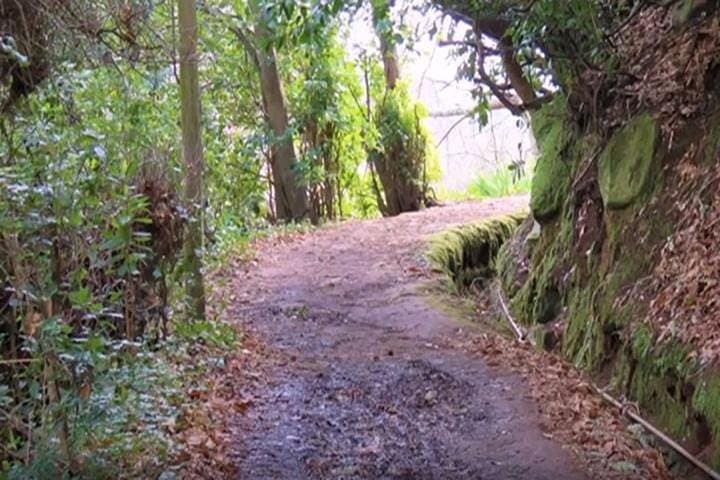
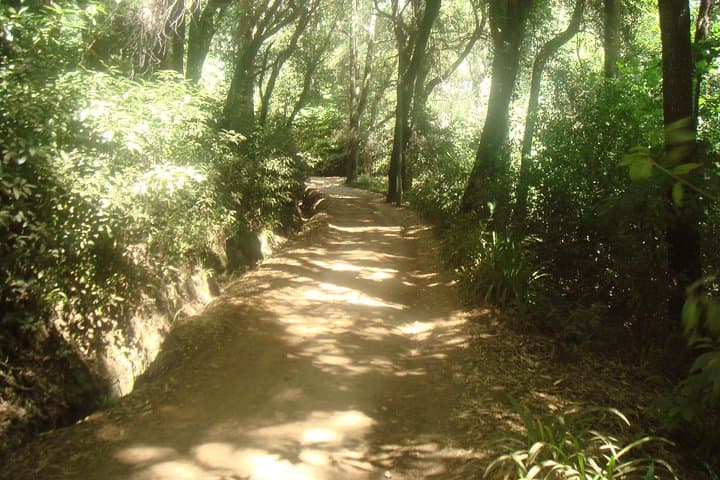
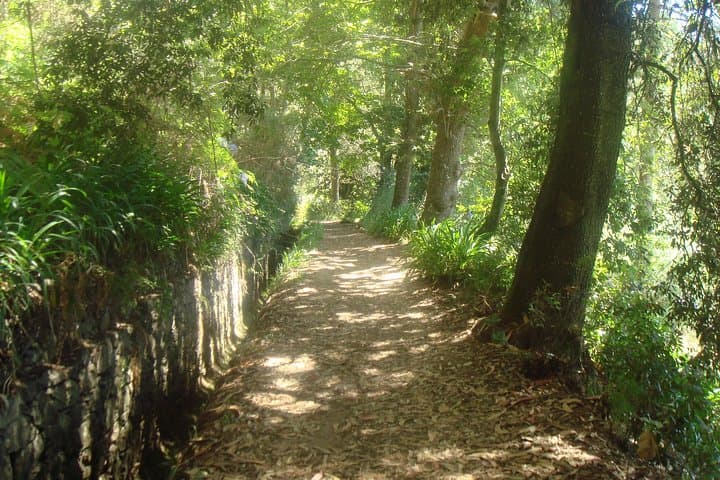
A narrow path follows the steady trickle of an irrigation channel as eucalyptus scent rides the hillside breeze. The Valley de Paradise Levada Walk drops into a pine-and-eucalyptus corridor near Camacha, where the waterline hums and the trail threads past small farms, fruit trees and beds of flowers tended by local hands.
Verified experiences and guided adventures in the surrounding area.
Operated by Madeira Island Tours · Camacha, Madeira
A narrow path follows the steady trickle of an irrigation channel as eucalyptus scent rides the hillside breeze. The Valley de Paradise Levada Walk drops into a pine-and-eucalyptus corridor near Camacha, where the waterline hums and the trail threads past small farms, fruit trees and beds of flowers tended by local hands.
Madeira's levadas date back to the 16th century, engineered to move mountain water to terraces and orchards on the island's steep slopes. Geologically, the trail sits on ancient volcanic rock shaped by lava flows and later eroded into the steep ravines that make levadas essential for irrigation. Camacha itself is known for traditional wicker craftsmanship and a working rural culture—walkers often pass plots growing bananas, vegetables and flowers for local markets.
The experience is straightforward: an easy, mostly flat levada-side trail of roughly 45–60 minutes, suitable for beginners and families. Expect narrow sections, occasional stone steps, and damp patches after rain; the levada channels hum beside you like a guide pushing you forward. A professional guide and hotel pickup are typically included, and tours operate year-round because the southern microclimate stays mild.
Practical tips: wear closed shoes with grip, bring water and a light rain layer, and aim for early morning for cooler air and softer light. Be mindful of private plots, stick to the path to protect banks and irrigation structures, and respect the local growers. The walk is accessible and low-impact—an intimate way to read Madeira's landscape and history while enjoying a short, restorative outdoor outing.
easy.
45–60 minutes.
Suitable for most fitness levels; minimal elevation change but requires steady balance on narrow path sections.
The tour runs about 45–60 minutes on the trail itself, with additional time for pickup and drop-off included in the booking.
Children who can walk on uneven ground do fine; narrow sections and steps make strollers impractical.
Yes; the tour typically includes hotel pickup and drop-off by air-conditioned vehicle as part of the service.
Not recommended for travelers with serious back or spinal issues or for pregnant travelers; check provider guidance before booking.
Levada networks were developed from the 16th century to redistribute mountain water for agriculture, enabling settlements and terraced farming across Madeira's steep slopes.
Stay on the levada path to avoid eroding banks and disturbing irrigation channels; support local economies by buying small items from village vendors.
Madeira Island Tours operates guided outdoor trips and adventures with an emphasis on safety, stewardship, and memorable experiences.
A narrow path follows the steady trickle of an irrigation channel as eucalyptus scent rides the hillside breeze. The Valley de Paradise Levada Walk drops into a pine-and-eucalyptus corridor near Camacha, where the waterline hums and the trail threads past small farms, fruit trees and beds of flowers tended by local hands.
A narrow path follows the steady trickle of an irrigation channel as eucalyptus scent rides the hillside breeze. The Valley de Paradise Levada Walk drops into a pine-and-eucalyptus corridor near Camacha, where the waterline hums and the trail threads past small farms, fruit trees and beds of flowers tended by local hands.
Madeira's levadas date back to the 16th century, engineered to move mountain water to terraces and orchards on the island's steep slopes. Geologically, the trail sits on ancient volcanic rock shaped by lava flows and later eroded into the steep ravines that make levadas essential for irrigation. Camacha itself is known for traditional wicker craftsmanship and a working rural culture—walkers often pass plots growing bananas, vegetables and flowers for local markets.
The experience is straightforward: an easy, mostly flat levada-side trail of roughly 45–60 minutes, suitable for beginners and families. Expect narrow sections, occasional stone steps, and damp patches after rain; the levada channels hum beside you like a guide pushing you forward. A professional guide and hotel pickup are typically included, and tours operate year-round because the southern microclimate stays mild.
Practical tips: wear closed shoes with grip, bring water and a light rain layer, and aim for early morning for cooler air and softer light. Be mindful of private plots, stick to the path to protect banks and irrigation structures, and respect the local growers. The walk is accessible and low-impact—an intimate way to read Madeira's landscape and history while enjoying a short, restorative outdoor outing.