THE ADVENTURE COLLECTIVE® · Independent discovery and booking for outdoor travel

Turn Valletta’s streets into a game: this self-guided scavenger hunt uses audio clues and local lore to lead you past the city’s top landmarks. It’s a relaxed, 3.4 km walk that rewards curiosity and good shoes.
Turn Valletta’s streets into a game: this self-guided scavenger hunt uses audio clues and local lore to lead you past the city’s top landmarks. It’s a relaxed, 3.4 km walk that rewards curiosity and good shoes.
The city opens like a riddle as you step off the tram and into limestone lanes where stray sunlight slices through narrow streets. Valletta’s compact grid of bastions and gardens rewards attention: a fountain’s splash, an ornate door, a plaque that points to a story. The scavenger-hunt format pushes you to look closer — cryptic clues lead from Triton Fountain toward the Upper Barrakka Gardens, past St. John’s Co-Cathedral and the National Library, through Great Siege Square and quiet chapels.
Verified experiences and guided adventures in the surrounding area.
Operated by World City Trail · Valletta, Valletta
The city opens like a riddle as you step off the tram and into limestone lanes where stray sunlight slices through narrow streets. Valletta’s compact grid of bastions and gardens rewards attention: a fountain’s splash, an ornate door, a plaque that points to a story. The scavenger-hunt format pushes you to look closer — cryptic clues lead from Triton Fountain toward the Upper Barrakka Gardens, past St. John’s Co-Cathedral and the National Library, through Great Siege Square and quiet chapels.
Valletta is a 16th‑century grid built by the Knights of St. John after the Great Siege of 1565; the grey-gold globigerina limestone you walk on has shaped both its architecture and its weathered steps. The harbor won’t sit still — Grand Harbour dares you to turn and watch activity below while the city’s layers of Maltese, Italian and British influence show in language, cuisine and civic plaques.
Practical guidance: the route covers about 3.4 km and roughly 45 minutes of walking time, though the experience is billed for up to two hours to allow breaks and exploration. The app provides audio clues and navigation in multiple languages and requires an internet connection to start. The puzzles are outdoor-focused so entrances and ticket purchases are optional; bring a charged smartphone, comfortable shoes for cobbles and steps, water, and sun protection if you visit in summer. Start early for cooler light and fewer crowds; pause anytime and resume where you left off. For small groups, families or teams, the format turns familiar sightseeing into an observational game that sharpens how you see Valletta rather than how fast you tick off monuments.
easy.
1–2 hours.
Suitable for most fitness levels; expect short stair climbs and uneven cobbles so basic mobility and stamina are helpful.
No — the puzzles focus on outdoor features and public spaces; entering monuments like St. John’s Co-Cathedral is optional and requires separate admission.
The guided route covers about 3.4 km with around 45 minutes of moving time, though the tour allows up to two hours to explore at leisure.
Yes — the self-guided format lets you pause and resume anytime; your progress is saved in the app once started.
Yes — it’s designed for families, couples and groups; clues vary in difficulty so teams can collaborate or compete.
Valletta was laid out after the 1565 Great Siege by the Knights of St. John; the grid plan and bastioned walls reflect military engineering and Renaissance urbanism.
High foot traffic stresses narrow streets and historic stone; stick to marked paths, avoid leaning or climbing on fragile stonework and support local businesses that invest in conservation.
World City Trail operates guided outdoor trips and adventures with an emphasis on safety, stewardship, and memorable experiences.
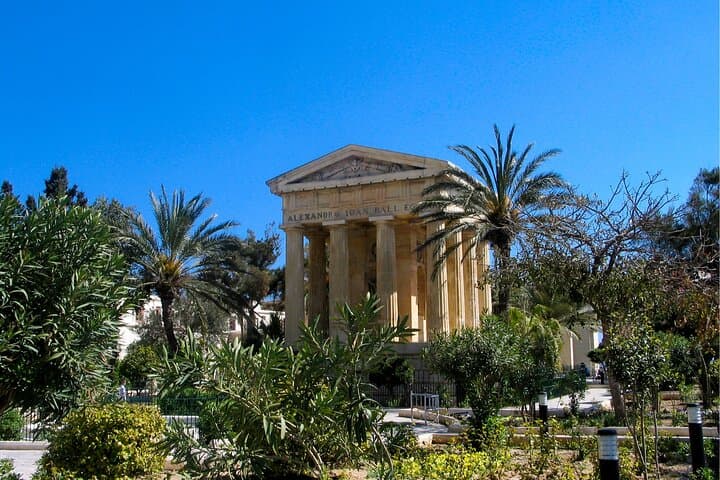
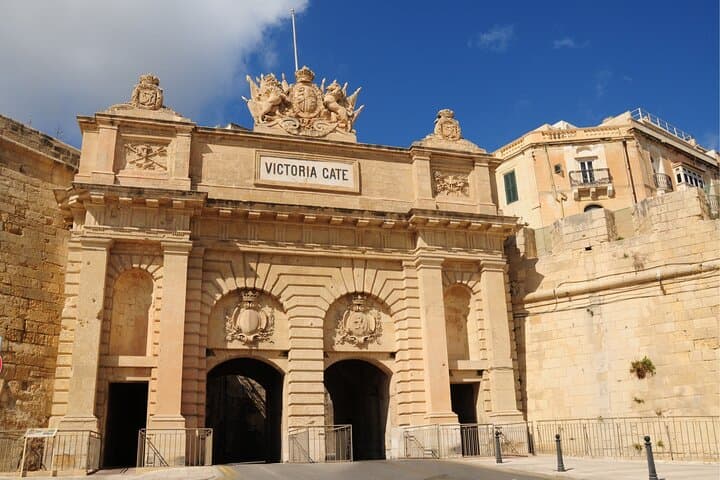
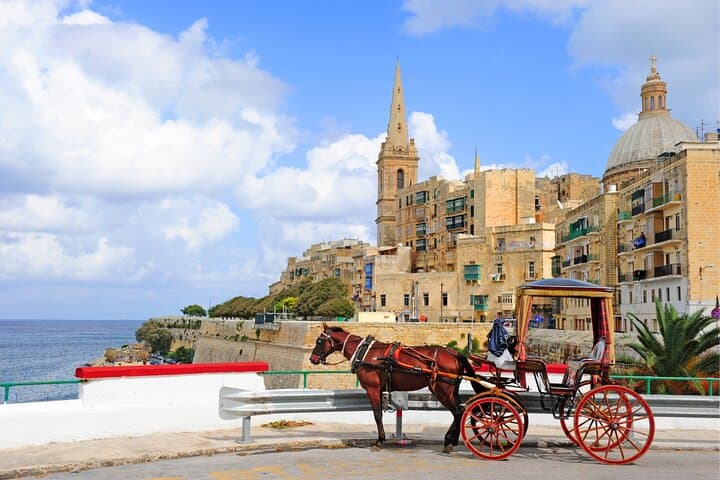
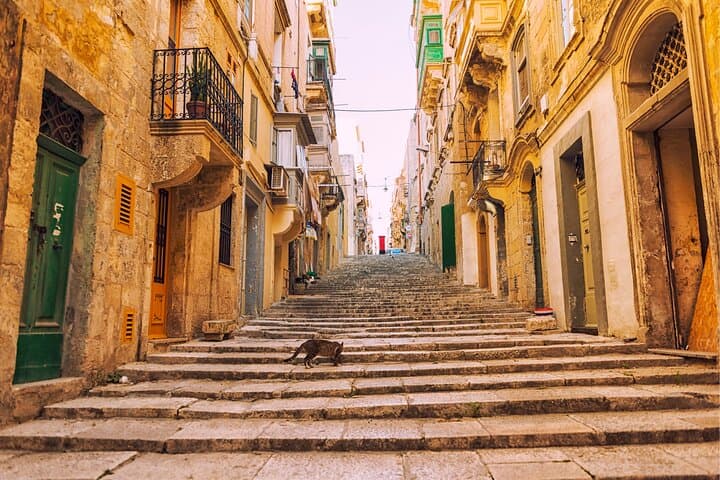
The city opens like a riddle as you step off the tram and into limestone lanes where stray sunlight slices through narrow streets. Valletta’s compact grid of bastions and gardens rewards attention: a fountain’s splash, an ornate door, a plaque that points to a story. The scavenger-hunt format pushes you to look closer — cryptic clues lead from Triton Fountain toward the Upper Barrakka Gardens, past St. John’s Co-Cathedral and the National Library, through Great Siege Square and quiet chapels.
The city opens like a riddle as you step off the tram and into limestone lanes where stray sunlight slices through narrow streets. Valletta’s compact grid of bastions and gardens rewards attention: a fountain’s splash, an ornate door, a plaque that points to a story. The scavenger-hunt format pushes you to look closer — cryptic clues lead from Triton Fountain toward the Upper Barrakka Gardens, past St. John’s Co-Cathedral and the National Library, through Great Siege Square and quiet chapels.
Valletta is a 16th‑century grid built by the Knights of St. John after the Great Siege of 1565; the grey-gold globigerina limestone you walk on has shaped both its architecture and its weathered steps. The harbor won’t sit still — Grand Harbour dares you to turn and watch activity below while the city’s layers of Maltese, Italian and British influence show in language, cuisine and civic plaques.
Practical guidance: the route covers about 3.4 km and roughly 45 minutes of walking time, though the experience is billed for up to two hours to allow breaks and exploration. The app provides audio clues and navigation in multiple languages and requires an internet connection to start. The puzzles are outdoor-focused so entrances and ticket purchases are optional; bring a charged smartphone, comfortable shoes for cobbles and steps, water, and sun protection if you visit in summer. Start early for cooler light and fewer crowds; pause anytime and resume where you left off. For small groups, families or teams, the format turns familiar sightseeing into an observational game that sharpens how you see Valletta rather than how fast you tick off monuments.