THE ADVENTURE COLLECTIVE® · Independent discovery and booking for outdoor travel

Climb the Acropolis at Ek Balam, swim beneath the light shaft of Hubiku Cenote, and taste regional Yucatecan fare in Valladolid on a full-day cultural and natural circuit from Cancun or Playa del Carmen.
Climb the Acropolis at Ek Balam, swim beneath the light shaft of Hubiku Cenote, and taste regional Yucatecan fare in Valladolid on a full-day cultural and natural circuit from Cancun or Playa del Carmen.
You step off the air-conditioned van and the heat presses like a hand on your back; the jungle just beyond the parking lot hums and a limestone pyramid rises above the trees like a defiant interruptor of time. At Ek Balam the stone faces and sculpted masks stare down from plazas where traders and priests once moved through rituals and markets. The guide’s voice threads epigraphic clues into a picture of a middle-classic regional capital—fortified walls, stuccoed facades and a climbable Acropolis that rewards effort with a wide, green ocean of canopy.
Verified experiences and guided adventures in the surrounding area.
Operated by Stap Travel · Valladolid, Yucatán
You step off the air-conditioned van and the heat presses like a hand on your back; the jungle just beyond the parking lot hums and a limestone pyramid rises above the trees like a defiant interruptor of time. At Ek Balam the stone faces and sculpted masks stare down from plazas where traders and priests once moved through rituals and markets. The guide’s voice threads epigraphic clues into a picture of a middle-classic regional capital—fortified walls, stuccoed facades and a climbable Acropolis that rewards effort with a wide, green ocean of canopy.
Geologically the Yucatán is a plateau of porous limestone; cenotes like Hubiku are dissolved caverns where groundwater gathers and light pours through natural skylights. Hubiku’s semi-open chamber, with trailing roots and a column of sun cutting through mist, shows why the Maya considered cenotes portals to the underworld and freshwater lifelines. Valladolid, a nearby colonial town, layers Spanish-era color on a Maya landscape—cobblestones, pastel façades and regional markets where cochinita and hand-pressed tortillas smell of home.
Practical guidance: this is a full-day, guided excursion (about 12 hours including transfers). Expect roughly 1–2 hours exploring Ek Balam with steep stone steps and uneven surfaces, plus time at a semi-open cenote where swimming is optional. Wear sturdy walking shoes that can get wet, bring biodegradable sunscreen and insect repellent, and carry a refillable water bottle. Plan for cash for the small preservation tax and market purchases. Schedule the climb early in your visit to avoid the strongest sun; swim at the cenote to cool down after the pyramid climb. Respect local customs at the Mayan village and follow guides’ instructions to keep fragile sites intact.
moderate.
12 hours.
Light to moderate fitness required: expect walking on uneven ground and climbing steep stone steps; not technically demanding but requires stamina for a long day.
This is a full-day tour (about 12 hours) with roundtrip transportation from Cancun and Riviera Maya included.
Yes—Hubiku is a semi-open cenote where swimming is allowed; bring a swimsuit, towel and biodegradable sunscreen.
Visitors can climb the main Acropolis at Ek Balam; sections are steep and require care—follow guide instructions for safety.
The tour includes a regional buffet or box lunch, tequila tasting, and entrance to Hubiku; there's a small preservation tax (around $5) often paid locally.
Ek Balam was a significant Middle Classic Maya city with important epigraphic finds; its defensive walls and sculpted facades reflect political power and ritual life.
Cenote management emphasizes biodegradable products and controlled access to protect groundwater; visitors are asked to follow leave-no-trace practices.
Stap Travel operates guided outdoor trips and adventures with an emphasis on safety, stewardship, and memorable experiences.
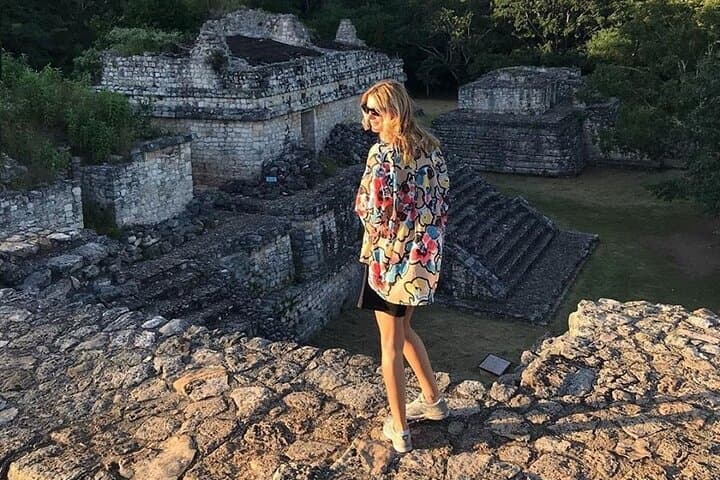
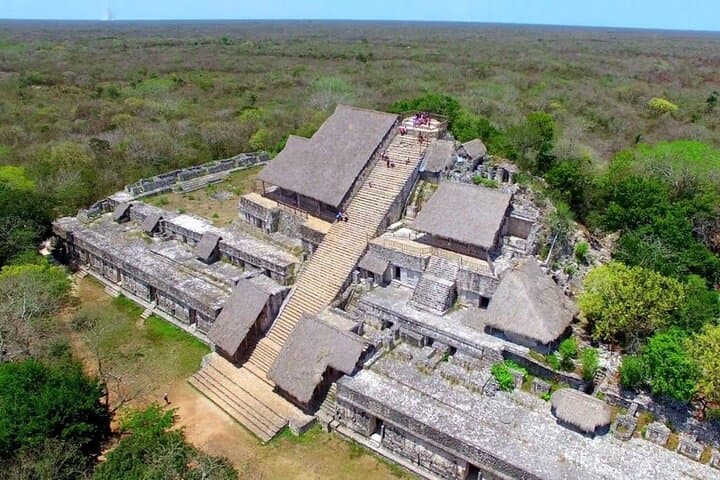
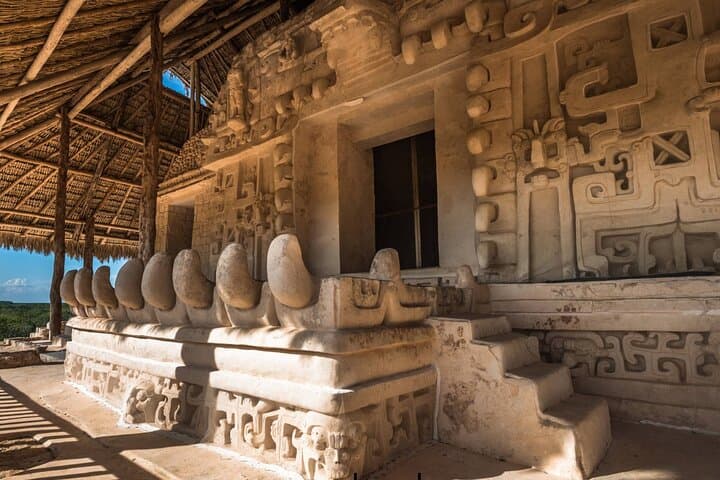
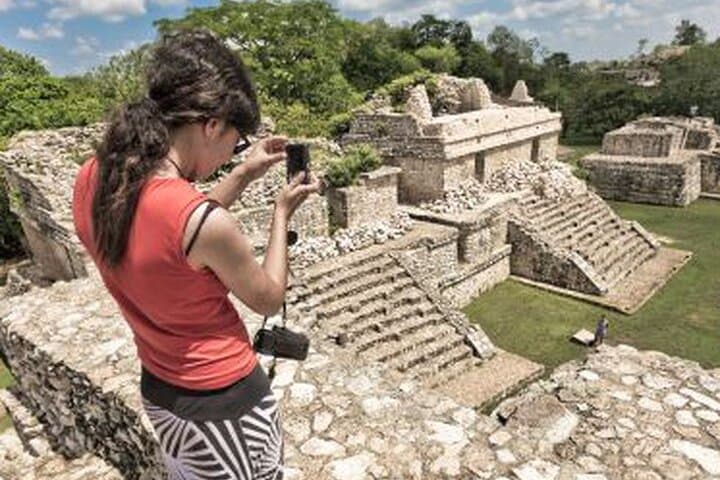
You step off the air-conditioned van and the heat presses like a hand on your back; the jungle just beyond the parking lot hums and a limestone pyramid rises above the trees like a defiant interruptor of time. At Ek Balam the stone faces and sculpted masks stare down from plazas where traders and priests once moved through rituals and markets. The guide’s voice threads epigraphic clues into a picture of a middle-classic regional capital—fortified walls, stuccoed facades and a climbable Acropolis that rewards effort with a wide, green ocean of canopy.
You step off the air-conditioned van and the heat presses like a hand on your back; the jungle just beyond the parking lot hums and a limestone pyramid rises above the trees like a defiant interruptor of time. At Ek Balam the stone faces and sculpted masks stare down from plazas where traders and priests once moved through rituals and markets. The guide’s voice threads epigraphic clues into a picture of a middle-classic regional capital—fortified walls, stuccoed facades and a climbable Acropolis that rewards effort with a wide, green ocean of canopy.
Geologically the Yucatán is a plateau of porous limestone; cenotes like Hubiku are dissolved caverns where groundwater gathers and light pours through natural skylights. Hubiku’s semi-open chamber, with trailing roots and a column of sun cutting through mist, shows why the Maya considered cenotes portals to the underworld and freshwater lifelines. Valladolid, a nearby colonial town, layers Spanish-era color on a Maya landscape—cobblestones, pastel façades and regional markets where cochinita and hand-pressed tortillas smell of home.
Practical guidance: this is a full-day, guided excursion (about 12 hours including transfers). Expect roughly 1–2 hours exploring Ek Balam with steep stone steps and uneven surfaces, plus time at a semi-open cenote where swimming is optional. Wear sturdy walking shoes that can get wet, bring biodegradable sunscreen and insect repellent, and carry a refillable water bottle. Plan for cash for the small preservation tax and market purchases. Schedule the climb early in your visit to avoid the strongest sun; swim at the cenote to cool down after the pyramid climb. Respect local customs at the Mayan village and follow guides’ instructions to keep fragile sites intact.