THE ADVENTURE COLLECTIVE® · Independent discovery and booking for outdoor travel

Beat the heat and crowds with an early-access visit to Chichen Itza combined with swims in two striking cenotes. This small-group day trip from Valladolid mixes archaeology, geology, and cool-water relief into a single, manageable day.
Beat the heat and crowds with an early-access visit to Chichen Itza combined with swims in two striking cenotes. This small-group day trip from Valladolid mixes archaeology, geology, and cool-water relief into a single, manageable day.
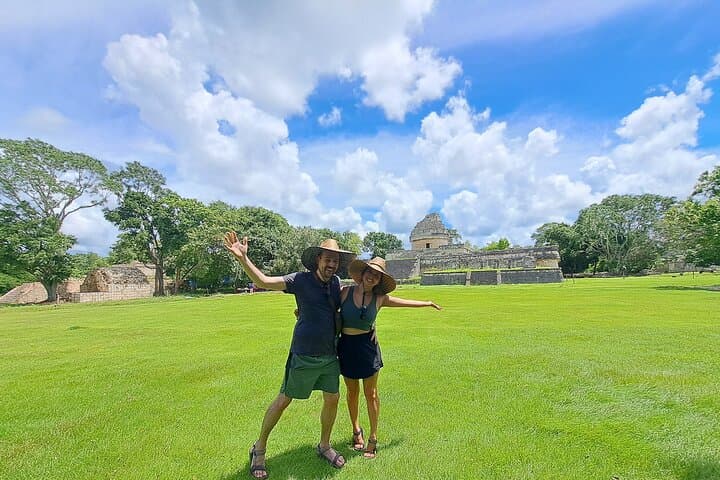
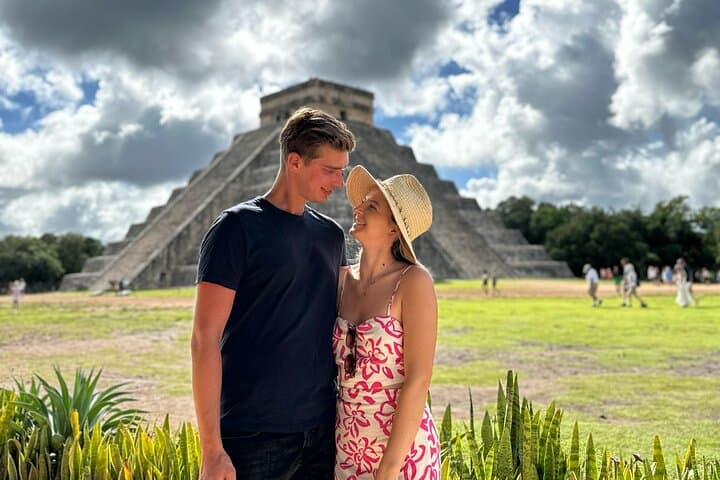
Morning light slices across limestone and palm as the van eases out of Valladolid toward the low, scrubby horizon. Arriving at Chichen Itza as gates open, the party slips ahead of the heat and the crush—stone platforms and the pyramid’s sharp geometry standing cool in the slow sun.
Verified experiences and guided adventures in the surrounding area.
Operated by Experiencias LakinTours · Valladolid, Yucatán
Morning light slices across limestone and palm as the van eases out of Valladolid toward the low, scrubby horizon. Arriving at Chichen Itza as gates open, the party slips ahead of the heat and the crush—stone platforms and the pyramid’s sharp geometry standing cool in the slow sun.
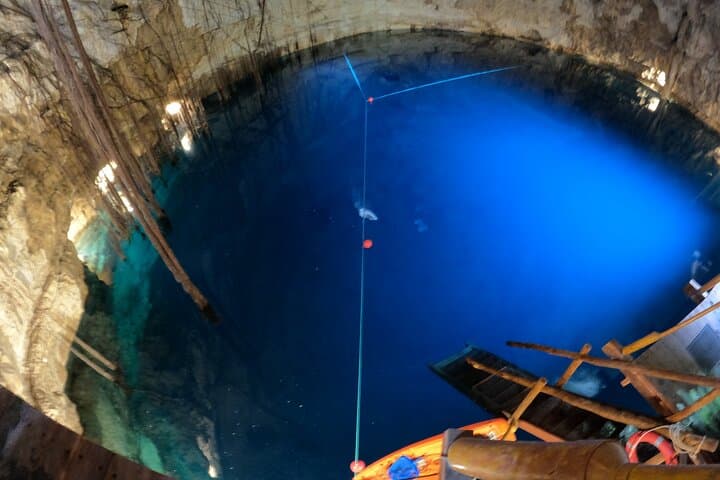
Chichen Itza is a late Classic to Early Postclassic Maya city built around the 7th–10th centuries CE, its plaza and observatory revealing long-lived astronomical knowledge carved in stone. The region sits on a karst plateau: rain drains through porous limestone and feeds underground caverns, which collapse to form the cenotes that punctuate the landscape. These sinkholes were both freshwater sources and sacred places for Maya communities.
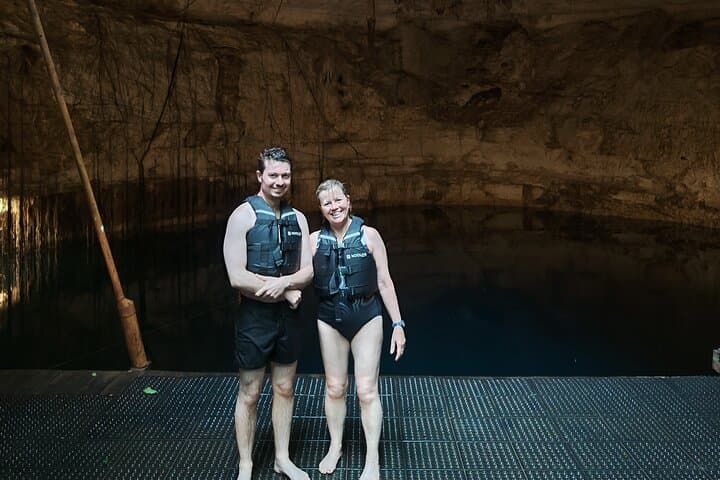
The tour balances cultural immersion with refreshment: roughly two hours on site, a midday stop at an open-sky cenote for a swim and buffet, and a final plunge into the cave-like Noolha cenote before returning to Valladolid. Small-group logistics (max ~8) mean less waiting and help with pre-purchasing tickets to skip lines.
Practical edge: expect 7–8 hours total, bring reef-safe sunscreen and a towel, carry ID for ticket purchase, and time your swim between late morning and early afternoon when light filters into the sinkholes. Footwear should handle packed dirt and uneven stone; hydration is essential in the Yucatán sun. Respect rope lines at archaeological features and follow local guidance at cenotes—these are fragile freshwater ecosystems that recover better when visitors follow basic rules.
moderate.
7–8 hours.
Suitable for travelers in average fitness—requires walking on uneven stone and short swims; comfortable mobility helps.
No—entrance is not included; operators can often assist with purchase to skip the main queue but plan to carry cash or card for tickets.
Approximately 45–60 minutes each way by road, depending on traffic and exact pickup location in Valladolid.
Cenote safety rules vary by site; lifeguards are not guaranteed—swim within your limits and follow staff directions at each cenote.
Yes for most, but it involves stairs, uneven ground, and swimming; travelers with mobility or serious heart conditions should consult the operator beforehand.
Chichen Itza was a major regional center for the Maya, blending Puuc and Toltec influences during the Terminal Classic period.
Cenotes are sensitive freshwater habitats; use reef-safe products, avoid littering, and follow site rules to minimize impact.
Experiencias LakinTours operates guided outdoor trips and adventures with an emphasis on safety, stewardship, and memorable experiences.
Morning light slices across limestone and palm as the van eases out of Valladolid toward the low, scrubby horizon. Arriving at Chichen Itza as gates open, the party slips ahead of the heat and the crush—stone platforms and the pyramid’s sharp geometry standing cool in the slow sun.
Morning light slices across limestone and palm as the van eases out of Valladolid toward the low, scrubby horizon. Arriving at Chichen Itza as gates open, the party slips ahead of the heat and the crush—stone platforms and the pyramid’s sharp geometry standing cool in the slow sun.
Chichen Itza is a late Classic to Early Postclassic Maya city built around the 7th–10th centuries CE, its plaza and observatory revealing long-lived astronomical knowledge carved in stone. The region sits on a karst plateau: rain drains through porous limestone and feeds underground caverns, which collapse to form the cenotes that punctuate the landscape. These sinkholes were both freshwater sources and sacred places for Maya communities.
The tour balances cultural immersion with refreshment: roughly two hours on site, a midday stop at an open-sky cenote for a swim and buffet, and a final plunge into the cave-like Noolha cenote before returning to Valladolid. Small-group logistics (max ~8) mean less waiting and help with pre-purchasing tickets to skip lines.
Practical edge: expect 7–8 hours total, bring reef-safe sunscreen and a towel, carry ID for ticket purchase, and time your swim between late morning and early afternoon when light filters into the sinkholes. Footwear should handle packed dirt and uneven stone; hydration is essential in the Yucatán sun. Respect rope lines at archaeological features and follow local guidance at cenotes—these are fragile freshwater ecosystems that recover better when visitors follow basic rules.