THE ADVENTURE COLLECTIVE® · Independent discovery and booking for outdoor travel

Follow a peaceful levada from Camacha into Vale Paraiso for sweeping sea views, cultivated mountain slopes, and a gentle introduction to Madeira’s irrigation heritage. This easy four-hour walk blends scenery and local culture for relaxed exploration.
Follow a peaceful levada from Camacha into Vale Paraiso for sweeping sea views, cultivated mountain slopes, and a gentle introduction to Madeira’s irrigation heritage. This easy four-hour walk blends scenery and local culture for relaxed exploration.
A narrow levada trail threads through terraces and eucalyptus-scented slopes as you step out of Camacha and into Vale Paraiso. The path follows the old irrigation channel: water murmurs at your side, the Atlantic opens in flashes between ridgelines, and cultivated plots patch the valley in neat rows. The air alternates between warm sea breezes and cooler, shaded pockets beneath laurel trees.
Verified experiences and guided adventures in the surrounding area.
Operated by Madeira Happy Tours · Camacha, Madeira
A narrow levada trail threads through terraces and eucalyptus-scented slopes as you step out of Camacha and into Vale Paraiso. The path follows the old irrigation channel: water murmurs at your side, the Atlantic opens in flashes between ridgelines, and cultivated plots patch the valley in neat rows. The air alternates between warm sea breezes and cooler, shaded pockets beneath laurel trees.
Madeira’s levadas date to the 16th–19th centuries, carved to move mountain water to coastal farms; walking them is part geology, part cultural history. Granite and volcanic basalt sculpt the ridgelines here; terraces reveal centuries of small-scale agriculture—potatoes, maize and hobby vineyards that shaped local life. Camacha is known for folk traditions and wickerwork; expect to pass fields where local farmers still tend plots by hand.
The route is an easy, mostly level walk with occasional stone steps and narrow sections where a steady foot is useful. It’s ideal for travelers wanting gentle exercise with plenty of viewpoints rather than intense hiking. Look for birds and the occasional shepherding dog; speak with guides about traditional irrigation and the island’s microclimates.
Practicalities: wear grippy walking shoes, bring water and a light wind layer, and allow about four hours including stops. Morning light is best for views and softer temperatures. The operator provides live commentary and basic insurance; the walk is family-friendly but not recommended for people with serious heart problems. Follow the levada etiquette—stay on the path and leave no trace.
easy.
4 hours.
Suitable for most fitness levels; you should be comfortable walking on uneven ground for several hours.
The tour runs about four hours total and is classified as easy—mostly level levada paths with occasional stone steps, suitable for most people with basic mobility.
Yes—families and older travelers typically manage the route well, but those with serious heart conditions are advised not to join; check with the operator if mobility is limited.
Yes, the trip includes live commentary from a guide who will explain local agriculture, levada history, and cultural points along the route.
Wear grippy walking shoes, layered clothing (wind/rain shell), sun protection, and bring water and snacks; public transport options exist for reaching Camacha.
Levadas were constructed over centuries to carry mountain water to coastal settlements; the network shaped both agriculture and settlement patterns on Madeira.
Stay on established trails and avoid disturbing irrigation channels; this helps protect fragile soil, native laurel remnants, and clean water sources used by local agriculture.
Madeira Happy Tours operates guided outdoor trips and adventures with an emphasis on safety, stewardship, and memorable experiences.
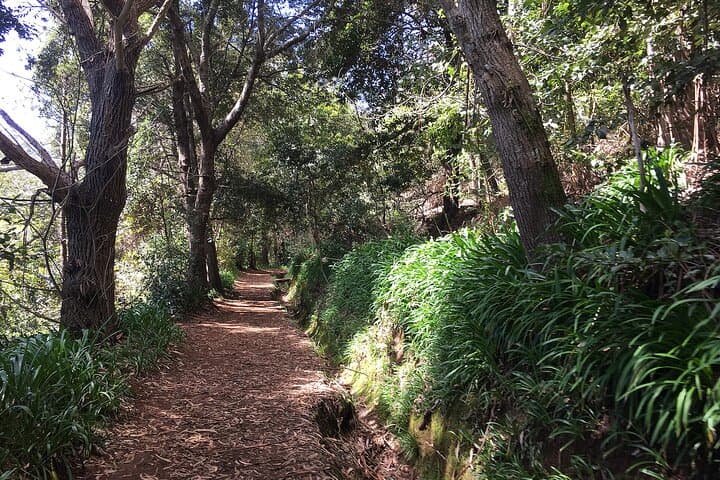
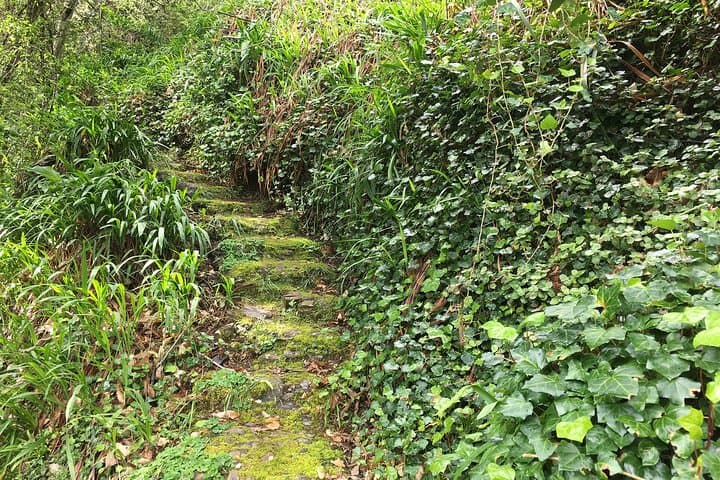
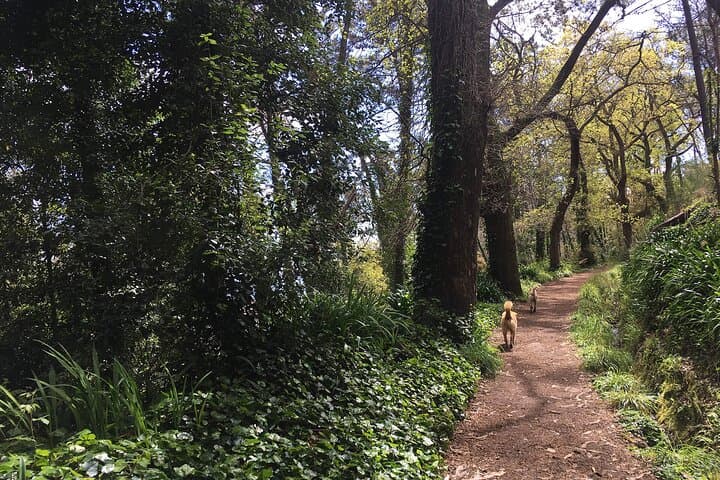
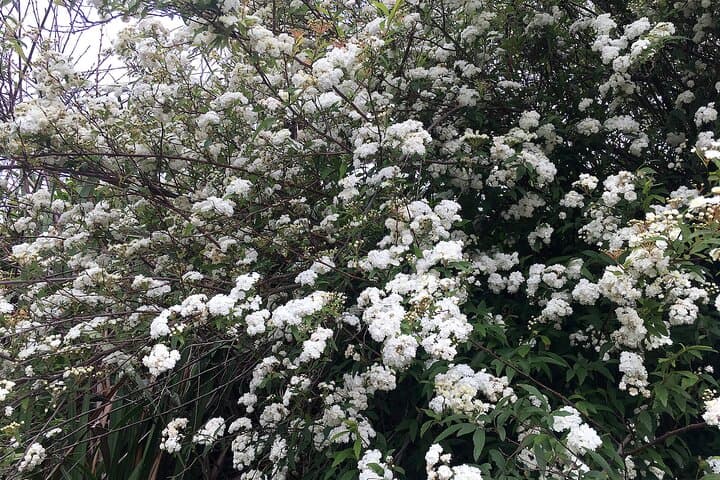
A narrow levada trail threads through terraces and eucalyptus-scented slopes as you step out of Camacha and into Vale Paraiso. The path follows the old irrigation channel: water murmurs at your side, the Atlantic opens in flashes between ridgelines, and cultivated plots patch the valley in neat rows. The air alternates between warm sea breezes and cooler, shaded pockets beneath laurel trees.
A narrow levada trail threads through terraces and eucalyptus-scented slopes as you step out of Camacha and into Vale Paraiso. The path follows the old irrigation channel: water murmurs at your side, the Atlantic opens in flashes between ridgelines, and cultivated plots patch the valley in neat rows. The air alternates between warm sea breezes and cooler, shaded pockets beneath laurel trees.
Madeira’s levadas date to the 16th–19th centuries, carved to move mountain water to coastal farms; walking them is part geology, part cultural history. Granite and volcanic basalt sculpt the ridgelines here; terraces reveal centuries of small-scale agriculture—potatoes, maize and hobby vineyards that shaped local life. Camacha is known for folk traditions and wickerwork; expect to pass fields where local farmers still tend plots by hand.
The route is an easy, mostly level walk with occasional stone steps and narrow sections where a steady foot is useful. It’s ideal for travelers wanting gentle exercise with plenty of viewpoints rather than intense hiking. Look for birds and the occasional shepherding dog; speak with guides about traditional irrigation and the island’s microclimates.
Practicalities: wear grippy walking shoes, bring water and a light wind layer, and allow about four hours including stops. Morning light is best for views and softer temperatures. The operator provides live commentary and basic insurance; the walk is family-friendly but not recommended for people with serious heart problems. Follow the levada etiquette—stay on the path and leave no trace.