THE ADVENTURE COLLECTIVE® · Independent discovery and booking for outdoor travel

A three-day private trek through Chapada Diamantina’s Vale do Pati, combining steep viewpoints, rare cave access and family-run lodgings. Expect rugged trails, variable weather and unforgettable valley panoramas.
A three-day private trek through Chapada Diamantina’s Vale do Pati, combining steep viewpoints, rare cave access and family-run lodgings. Expect rugged trails, variable weather and unforgettable valley panoramas.
You step out before dawn onto a dirt path and the valley exhales: low clouds hanging along sheer rock faces, the distant thunder of multiple cascades, and a thin ribbon of trail that will lead you into the heart of Chapada Diamantina.
Verified experiences and guided adventures in the surrounding area.
Operated by Mamut Trekking · Lençóis, Bahia
You step out before dawn onto a dirt path and the valley exhales: low clouds hanging along sheer rock faces, the distant thunder of multiple cascades, and a thin ribbon of trail that will lead you into the heart of Chapada Diamantina.
The Vale do Pati sits around 1,000 m above sea level where Atlantic Forest remnants meet campos rupestres and high savanna. Two-century-old farming settlements survive as simple family pousadas — 14 preserved houses that now host trekkers — and the land keeps the marks of both geology and human history: quartz-rich plateaus, eroded schist cliffs, and trails forged by mule and foot.
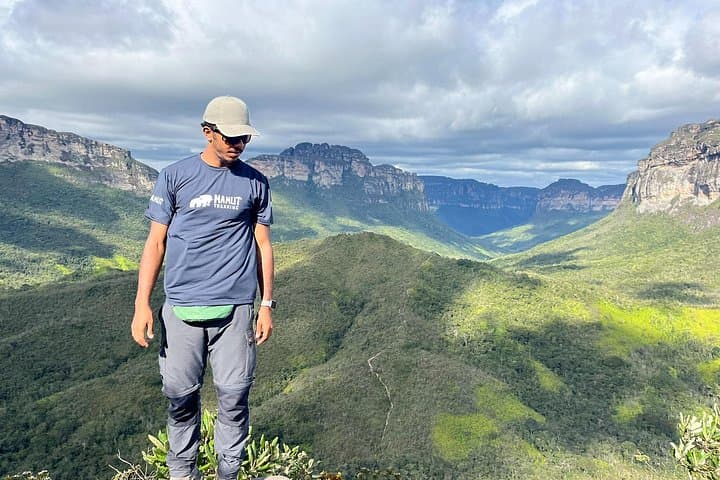
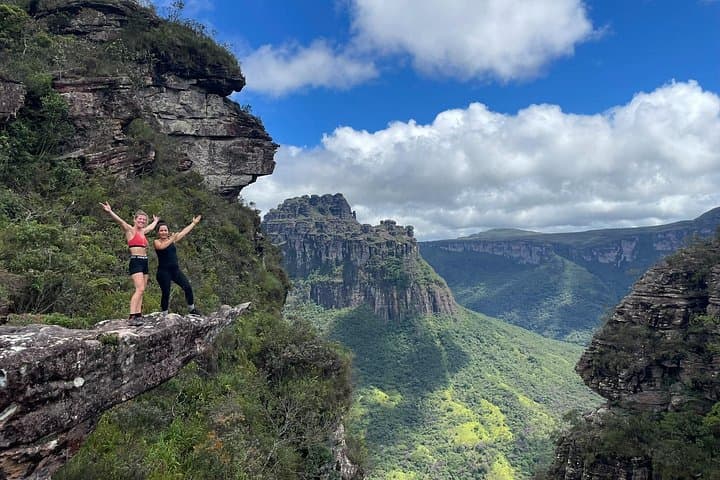
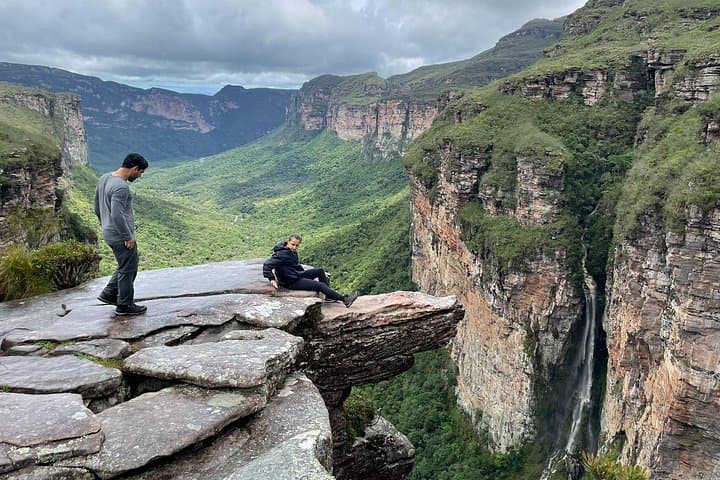
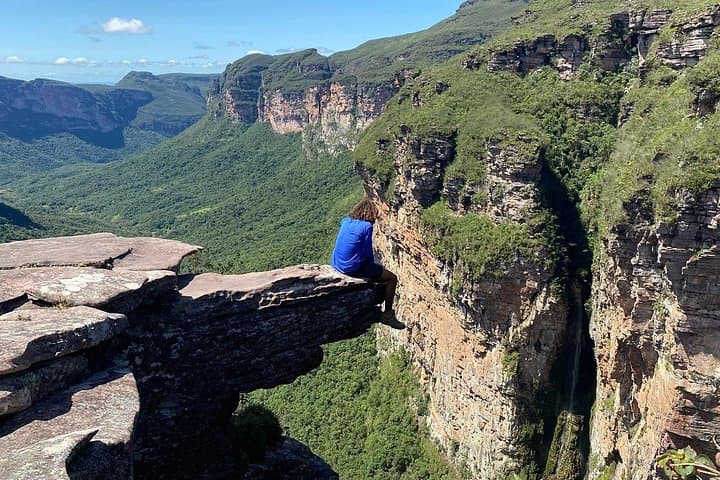
Highlights on the loop include Mirante da Rampa’s broad overview, the steep 250+m ascent to Morro do Castelo with its twin viewpoints and Lapinha cave entrance, and the high balconies above Cachoeirão where, in wet months, dozens of falls spill into the valley.
Expect rugged, sometimes slippery terrain, sections of rock scrambling, and daily gains that peak on day two (roughly 250–300 m of ascent). Distances vary by route but the itinerary is paced as a three-day circuit with long hiking days (up to 6–8 hours on day three). Accommodations are basic family-run lodgings; meals are a mix of picnics and homestyle dinners.
Practical tips: layer for rapid weather shifts, carry a reliable rain jacket and at least 2–3 liters of water, and use sturdy, broken-in boots and trekking poles for steep descents. The trail rewards steady pace and respect for changing conditions — the valley opens to those who plan for mud as much as for views.
challenging.
3 days.
Good cardiovascular fitness and experience with full-day hikes; comfortable carrying a daypack on uneven, sometimes steep terrain.
The climb is the trip’s toughest section: 60–80 minutes of steady ascent with about 250 m of elevation gain, requiring good fitness and sure footing.
Lodgings are simple family-run pousadas with basic private or shared rooms; meals are local and hearty but expect rustic facilities.
Guides are strongly recommended for route familiarity, safety on slippery terrain, and local logistics; this product is run as a private guided trek.
The rainy season (roughly November–March) increases waterfall volume—expect dozens of cascades around Cachoeirão—while the dry season offers clearer trails and more stable weather.
The valley once supported small subsistence farms; many of those 19th-century houses remain and now host trekkers, preserving local architecture and hospitality.
Visitors should stick to marked trails, pack out waste, and support family pousadas—local stewardship helps protect fragile campos rupestres and water sources.
Mamut Trekking operates guided outdoor trips and adventures with an emphasis on safety, stewardship, and memorable experiences.
You step out before dawn onto a dirt path and the valley exhales: low clouds hanging along sheer rock faces, the distant thunder of multiple cascades, and a thin ribbon of trail that will lead you into the heart of Chapada Diamantina.
You step out before dawn onto a dirt path and the valley exhales: low clouds hanging along sheer rock faces, the distant thunder of multiple cascades, and a thin ribbon of trail that will lead you into the heart of Chapada Diamantina.
The Vale do Pati sits around 1,000 m above sea level where Atlantic Forest remnants meet campos rupestres and high savanna. Two-century-old farming settlements survive as simple family pousadas — 14 preserved houses that now host trekkers — and the land keeps the marks of both geology and human history: quartz-rich plateaus, eroded schist cliffs, and trails forged by mule and foot.
Highlights on the loop include Mirante da Rampa’s broad overview, the steep 250+m ascent to Morro do Castelo with its twin viewpoints and Lapinha cave entrance, and the high balconies above Cachoeirão where, in wet months, dozens of falls spill into the valley.
Expect rugged, sometimes slippery terrain, sections of rock scrambling, and daily gains that peak on day two (roughly 250–300 m of ascent). Distances vary by route but the itinerary is paced as a three-day circuit with long hiking days (up to 6–8 hours on day three). Accommodations are basic family-run lodgings; meals are a mix of picnics and homestyle dinners.
Practical tips: layer for rapid weather shifts, carry a reliable rain jacket and at least 2–3 liters of water, and use sturdy, broken-in boots and trekking poles for steep descents. The trail rewards steady pace and respect for changing conditions — the valley opens to those who plan for mud as much as for views.