THE ADVENTURE COLLECTIVE® · Independent discovery and booking for outdoor travel

Step into the V&A and let centuries of design unfold. This guided tour brings you face-to-face with Trajan’s Column casts, the Ardabil carpet and other museum highlights, paired with practical tips for planning your visit.
Step into the V&A and let centuries of design unfold. This guided tour brings you face-to-face with Trajan’s Column casts, the Ardabil carpet and other museum highlights, paired with practical tips for planning your visit.
You arrive on Cromwell Road beneath a broad Victorian façade and the museum seems to inhale the city — stone steps drawing you into rooms where plaster, glass and textiles hold their own quiet drama. Inside, a life-size cast of Trajan’s Column rises in the Cast Courts like a column of stories, while galleries hush you toward Tippoo’s Tiger, Leonardo’s notebooks and the Ardabil carpet’s woven patience.
Verified experiences and guided adventures in the surrounding area.
Operated by Tourope UK · London, England
You arrive on Cromwell Road beneath a broad Victorian façade and the museum seems to inhale the city — stone steps drawing you into rooms where plaster, glass and textiles hold their own quiet drama. Inside, a life-size cast of Trajan’s Column rises in the Cast Courts like a column of stories, while galleries hush you toward Tippoo’s Tiger, Leonardo’s notebooks and the Ardabil carpet’s woven patience.
The V&A began as a mid-19th century Museum of Manufactures (1852) and was later shaped under royal patronage into a national collection; today its holdings exceed two million objects spanning roughly 5,000 years of design and craft. Architecturally the building mixes high Victorian gallery volumes with contemporary interventions; a timber façade rescued from a house that survived the Great Fire of London sits among the displays as a tangible link to urban history.
Culturally the museum maps design evolution — from medieval metalwork and Renaissance plaster to modern glass installations and performance costumes. Blue-badge guides make these connections legible, while the conservation studios quietly keep fragile objects stable for future visitors.
Practical guidance: allow 2–3 hours for a focused guided tour (longer if you linger in the Cast Courts); arrive by South Kensington Tube or bus; the permanent collection is free but special exhibitions may charge. Wear comfortable shoes and plan brief rests — galleries reward slow inspection. Photography without flash is generally permitted, but respect signage and conservation rules. For visitors with mobility needs the museum and most tour transport are wheelchair accessible; notify your operator in advance to arrange accommodations.
easy.
2–3 hours.
Able to walk and stand for up to three hours; route includes stairs and elevator options for accessibility
Permanent collections at the V&A are free, but special exhibitions may charge; confirm with your tour operator whether exhibition entry is part of your booking.
The museum is a short walk from South Kensington Tube (Circle, District, Piccadilly lines) and is served by multiple bus routes along Cromwell Road.
Yes—the V&A and the advertised tour note wheelchair-accessible routes and transport; inform the operator about specific requirements when booking.
Non-flash photography is allowed in many areas, but some objects and temporary exhibits restrict photography—obey gallery signage and your guide's instructions.
The V&A evolved from a 1852 Museum of Manufactures and later royal patronage into a public institution housing over two million objects across centuries of design.
The museum operates active conservation labs and enforces strict climate and light controls to preserve sensitive materials; avoid touching objects and respect display barriers.
Tourope UK operates guided outdoor trips and adventures with an emphasis on safety, stewardship, and memorable experiences.
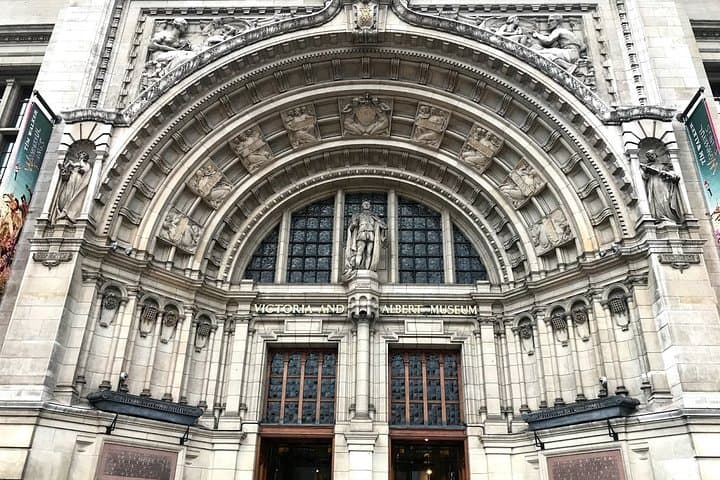
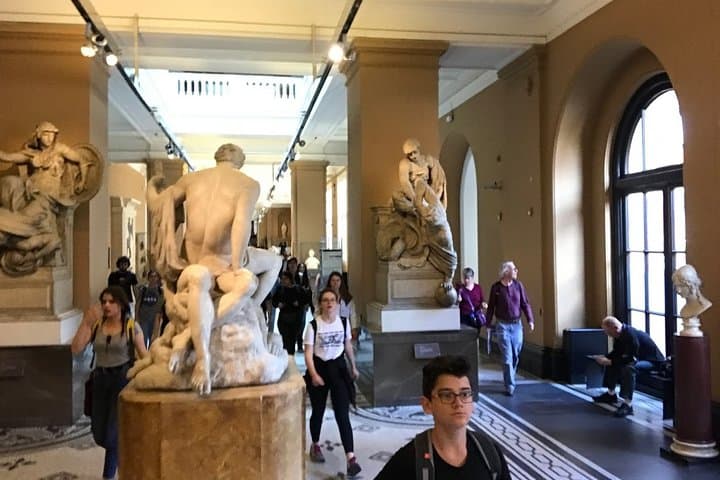
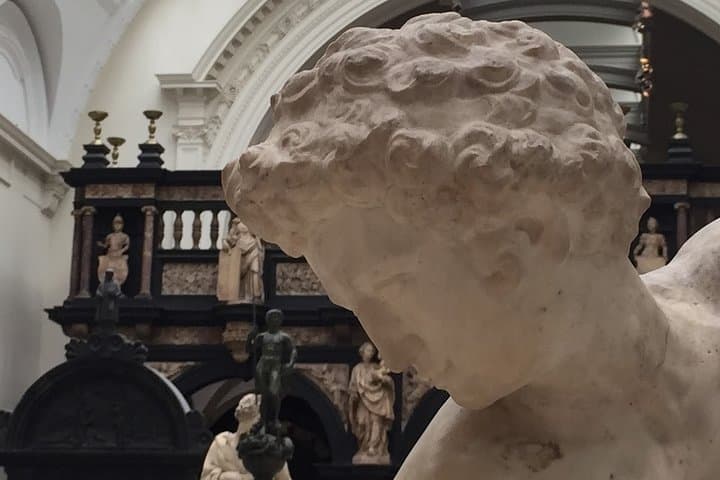
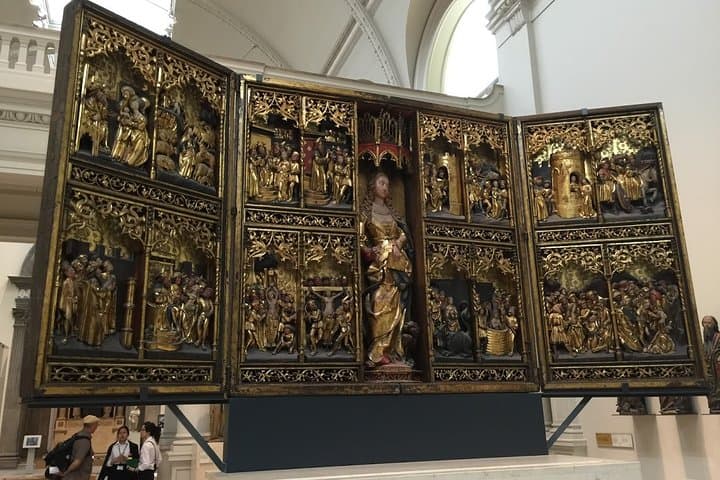
You arrive on Cromwell Road beneath a broad Victorian façade and the museum seems to inhale the city — stone steps drawing you into rooms where plaster, glass and textiles hold their own quiet drama. Inside, a life-size cast of Trajan’s Column rises in the Cast Courts like a column of stories, while galleries hush you toward Tippoo’s Tiger, Leonardo’s notebooks and the Ardabil carpet’s woven patience.
You arrive on Cromwell Road beneath a broad Victorian façade and the museum seems to inhale the city — stone steps drawing you into rooms where plaster, glass and textiles hold their own quiet drama. Inside, a life-size cast of Trajan’s Column rises in the Cast Courts like a column of stories, while galleries hush you toward Tippoo’s Tiger, Leonardo’s notebooks and the Ardabil carpet’s woven patience.
The V&A began as a mid-19th century Museum of Manufactures (1852) and was later shaped under royal patronage into a national collection; today its holdings exceed two million objects spanning roughly 5,000 years of design and craft. Architecturally the building mixes high Victorian gallery volumes with contemporary interventions; a timber façade rescued from a house that survived the Great Fire of London sits among the displays as a tangible link to urban history.
Culturally the museum maps design evolution — from medieval metalwork and Renaissance plaster to modern glass installations and performance costumes. Blue-badge guides make these connections legible, while the conservation studios quietly keep fragile objects stable for future visitors.
Practical guidance: allow 2–3 hours for a focused guided tour (longer if you linger in the Cast Courts); arrive by South Kensington Tube or bus; the permanent collection is free but special exhibitions may charge. Wear comfortable shoes and plan brief rests — galleries reward slow inspection. Photography without flash is generally permitted, but respect signage and conservation rules. For visitors with mobility needs the museum and most tour transport are wheelchair accessible; notify your operator in advance to arrange accommodations.