THE ADVENTURE COLLECTIVE® · Independent discovery and booking for outdoor travel

Trace the Silk Road across Uzbekistan in 11 days, from Tashkent’s bustling bazaars to Samarkand’s tiled splendor and the desert fortresses of Khorezm. This culturally rich, logistics-smooth tour blends high-speed train travel with guided exploration of UNESCO sites and artisan workshops.
Trace the Silk Road across Uzbekistan in 11 days, from Tashkent’s bustling bazaars to Samarkand’s tiled splendor and the desert fortresses of Khorezm. This culturally rich, logistics-smooth tour blends high-speed train travel with guided exploration of UNESCO sites and artisan workshops.
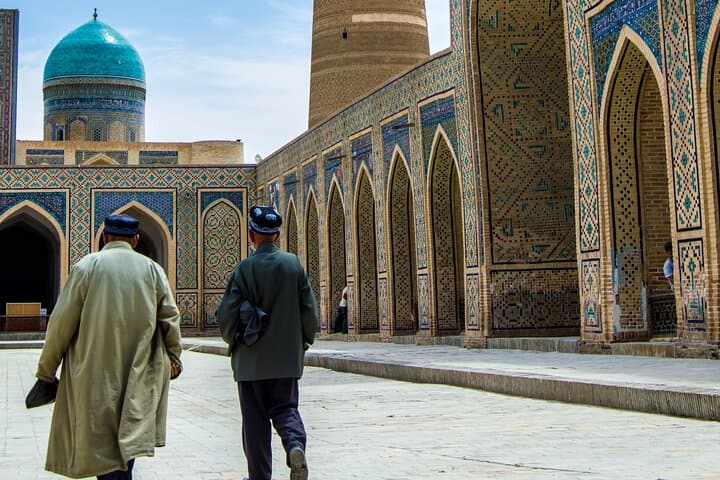
Dawn in Tashkent feels like a city waking to two eras: Soviet-scale boulevards cooling beside centuries-old bazaars where apricots and spices scent the air. This 11-day Silk Road circuit moves with the same rhythm—fast trains one day, lantern-lit alleys the next—taking travelers from Tashkent’s mosque-lined squares to the blue domes of Samarkand and the wind-sculpted desert fortresses outside Nukus.
Verified experiences and guided adventures in the surrounding area.
Operated by Silk Tour Ltd · Tashkent, Tashkent Region
Dawn in Tashkent feels like a city waking to two eras: Soviet-scale boulevards cooling beside centuries-old bazaars where apricots and spices scent the air. This 11-day Silk Road circuit moves with the same rhythm—fast trains one day, lantern-lit alleys the next—taking travelers from Tashkent’s mosque-lined squares to the blue domes of Samarkand and the wind-sculpted desert fortresses outside Nukus.
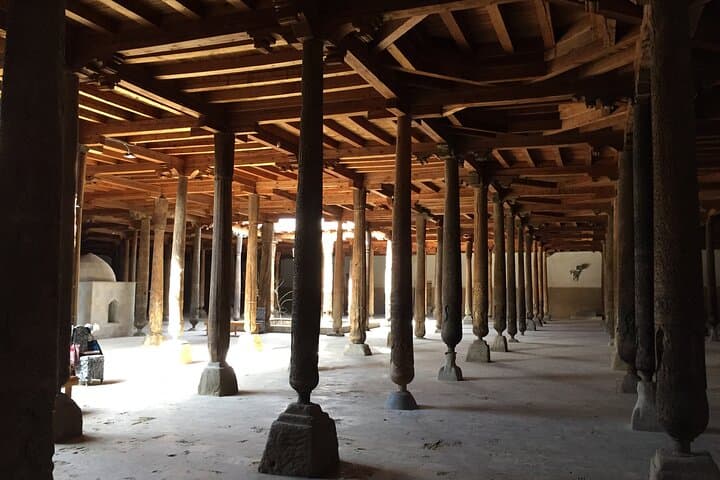
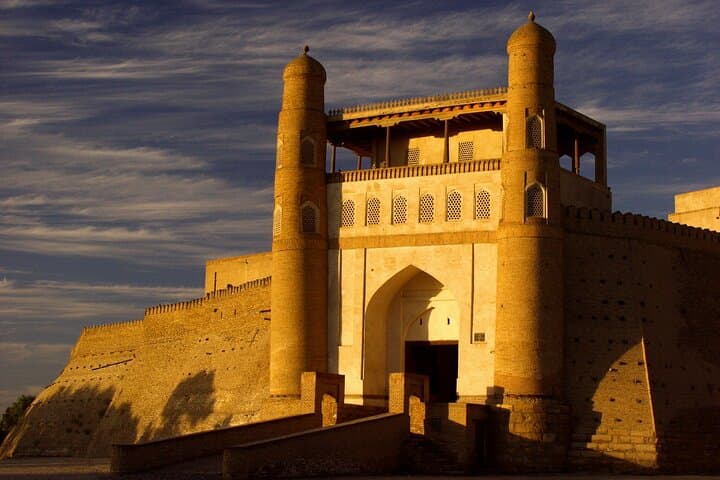
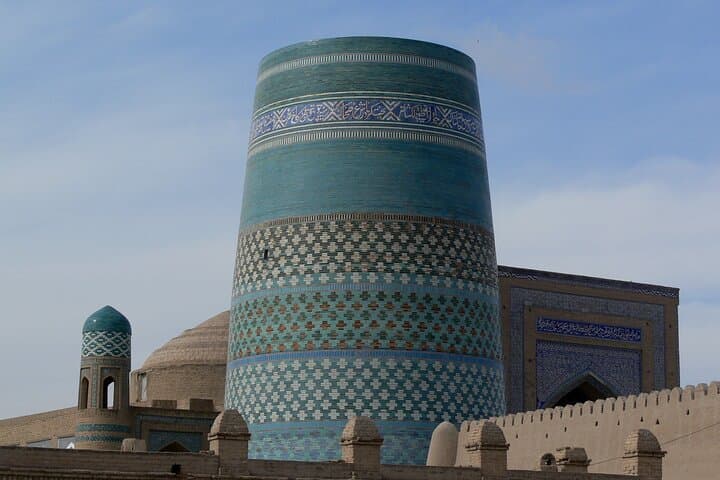
The route threads through layered histories: Khorezm’s mud-brick fortresses that guarded oasis life, Timurid splendor in Samarkand’s Registan, and Khiva’s fortified old town, Ichan Kala, built on principles of medieval urban defense. Geology shows too—the Kyzyl Kum’s ochre dunes press against irrigated river valleys that made long-distance caravans possible. Local crafts define the culture: Rishtan ceramics, Margilan silk, and the call-and-response of bazaar bargaining.
Practicalities shape the experience. Expect light-to-moderate walking on uneven pavements and archaeological sites; bring a sturdy pair of closed-toe shoes and a sunhat. High-speed trains stitch cities efficiently but require punctual transfers; guides typically handle museum entrances and local logistics. Hydration is essential in summer, and mornings or late afternoons are best for photographing tilework when light brings out cobalt and turquoise.
Travelers should carry photocopies of travel documents, comfortable layered clothing for varying temperatures between desert days and cool nights, and small local currency for markets. With an eye for history and a readiness for long travel days, this tour delivers route-earned perspectives on the Silk Road’s living legacy.
easy.
11 days.
Suitable for travelers comfortable with daily walking (2–4 hours) and transfers; not physically demanding but involves stairs and uneven surfaces.
Visa requirements depend on nationality; many countries require e-visas or visas on arrival—check current Uzbekistan government guidelines well before travel.
Expect light to moderate walking most days—typically 2–4 hours on foot including market strolls and site tours; comfortable shoes are recommended.
The itinerary includes breakfasts; other meals are generally at travelers' expense unless otherwise noted—guides will recommend local restaurants.
Yes—this private-tour format accommodates solo travelers, though single-supplement policies may apply and advance booking is advised.
The itinerary traces routes of the Silk Road and successive powers—from Khorezmite city-states to Timurid empire—whose monuments reflect trade wealth and imperial patronage.
Water management is critical across Uzbekistan; travelers should minimize water waste, avoid single-use plastics where possible, and follow site rules to protect fragile archaeological remains.
Silk Tour Ltd operates guided outdoor trips and adventures with an emphasis on safety, stewardship, and memorable experiences.
Dawn in Tashkent feels like a city waking to two eras: Soviet-scale boulevards cooling beside centuries-old bazaars where apricots and spices scent the air. This 11-day Silk Road circuit moves with the same rhythm—fast trains one day, lantern-lit alleys the next—taking travelers from Tashkent’s mosque-lined squares to the blue domes of Samarkand and the wind-sculpted desert fortresses outside Nukus.
Dawn in Tashkent feels like a city waking to two eras: Soviet-scale boulevards cooling beside centuries-old bazaars where apricots and spices scent the air. This 11-day Silk Road circuit moves with the same rhythm—fast trains one day, lantern-lit alleys the next—taking travelers from Tashkent’s mosque-lined squares to the blue domes of Samarkand and the wind-sculpted desert fortresses outside Nukus.
The route threads through layered histories: Khorezm’s mud-brick fortresses that guarded oasis life, Timurid splendor in Samarkand’s Registan, and Khiva’s fortified old town, Ichan Kala, built on principles of medieval urban defense. Geology shows too—the Kyzyl Kum’s ochre dunes press against irrigated river valleys that made long-distance caravans possible. Local crafts define the culture: Rishtan ceramics, Margilan silk, and the call-and-response of bazaar bargaining.
Practicalities shape the experience. Expect light-to-moderate walking on uneven pavements and archaeological sites; bring a sturdy pair of closed-toe shoes and a sunhat. High-speed trains stitch cities efficiently but require punctual transfers; guides typically handle museum entrances and local logistics. Hydration is essential in summer, and mornings or late afternoons are best for photographing tilework when light brings out cobalt and turquoise.
Travelers should carry photocopies of travel documents, comfortable layered clothing for varying temperatures between desert days and cool nights, and small local currency for markets. With an eye for history and a readiness for long travel days, this tour delivers route-earned perspectives on the Silk Road’s living legacy.