THE ADVENTURE COLLECTIVE® · Independent discovery and booking for outdoor travel

A compact seven‑day circuit of Uzbekistan’s headline cities, this guided tour links Tashkent, Samarkand, Bukhara and Khiva by high‑speed train and regional transfers. Expect concentrated time at major madrasahs, mausoleums and bazaars with hotels, breakfasts and entrance fees included.
A compact seven‑day circuit of Uzbekistan’s headline cities, this guided tour links Tashkent, Samarkand, Bukhara and Khiva by high‑speed train and regional transfers. Expect concentrated time at major madrasahs, mausoleums and bazaars with hotels, breakfasts and entrance fees included.
You step off the high‑speed Afrosiyob and the air changes: the concrete grid of modern Tashkent gives way to cobalt domes and sun‑baked brick as the tour threads its way across the flat, wind‑scoured plains of Central Asia.
Verified experiences and guided adventures in the surrounding area.
Operated by Assalam Travel · Tashkent, Tashkent
You step off the high‑speed Afrosiyob and the air changes: the concrete grid of modern Tashkent gives way to cobalt domes and sun‑baked brick as the tour threads its way across the flat, wind‑scoured plains of Central Asia.
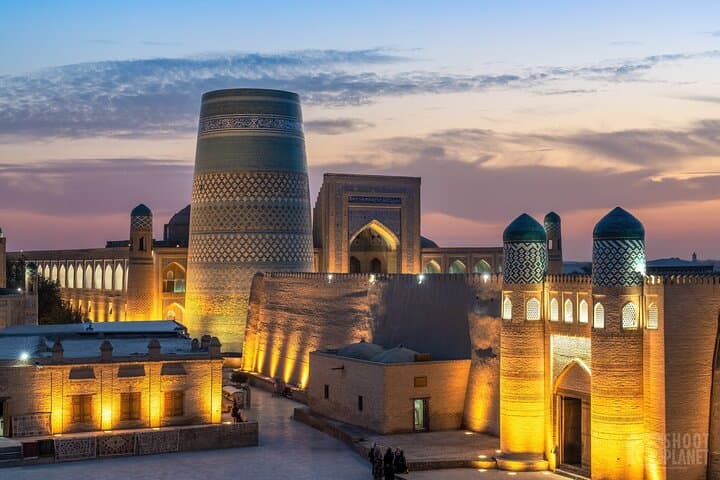
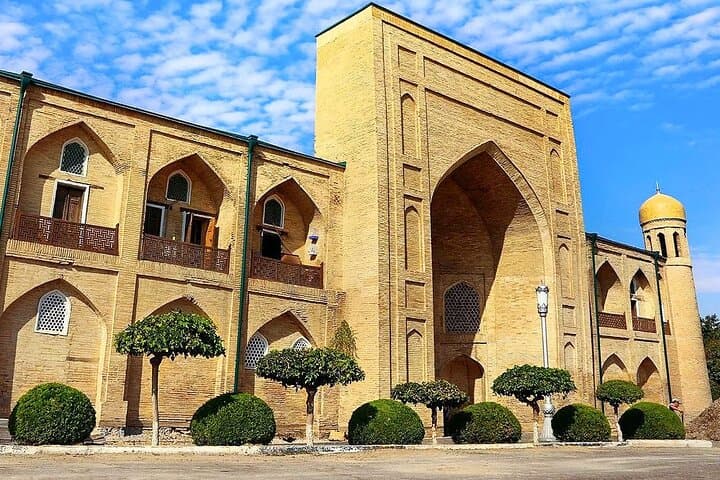
Over seven days this itinerary moves from Tashkent’s broad avenues to Samarkand’s Registan, Bukhara’s Ark and trading domes, and Khiva’s walled Ichan‑Kala — each stop a layer of Silk Road history and Timurid craft. Geologically the region sits on ancient alluvial fans and the Kyzylkum steppe; the Amu Darya to the west still shapes local irrigation and trade routes. Culturally, expect centuries‑old madrasahs, listed UNESCO sites, and markets where spices and dried fruits are sold as they have been for generations.
Guides lead hotel pickups, train transfers (Tashkent–Samarkand ~2h15m; Samarkand–Bukhara ~1h30m), and a longer rail road to Khiva (~6–7 hours with an Amu Darya stop). Accommodation is in 3–4★ hotels with breakfasts included; most daytime touring involves 1–3 miles of walking across uneven paved courtyards, bazaars and stairs.
Practical edge: carry cash for bazaar purchases, bring sun protection and modest dress for mosque interiors, and plan light layers for cool desert nights. If you like architecture and history, this is concentrated access to Central Asia’s best‑preserved Islamic sites with logistics handled — a focused cultural circuit rather than a wilderness trek.
moderate.
7 days.
Suitable for travelers in average fitness who can walk 1–3 miles per day on uneven surfaces and climb stairs.
Visa requirements depend on nationality; many countries qualify for e‑visa or visa‑free stays—check official Uzbek government guidance well before travel.
High‑speed Afrosiyob trains have reserved seating and are comfortable for short intercity hops; transfers between cities are included when specified by the operator.
The operator lists wheelchair‑accessible transport and some accessible surfaces, but many historic sites have steps and narrow passages—contact the provider to confirm site access and assistance needs.
Carry Uzbek som for markets and small purchases; tipping is appreciated in restaurants and for guides (5–10% or small per‑day amounts is common).
This route traces major Silk Road arteries and the Timurid renaissance (14th–15th centuries) when monumental madrasahs and mausoleums were built across the region.
Water management and the legacy of the shrinking Aral Sea are local environmental concerns; favor local guides and handicrafts to support community livelihoods and low‑impact tourism.
Assalam Travel operates guided outdoor trips and adventures with an emphasis on safety, stewardship, and memorable experiences.
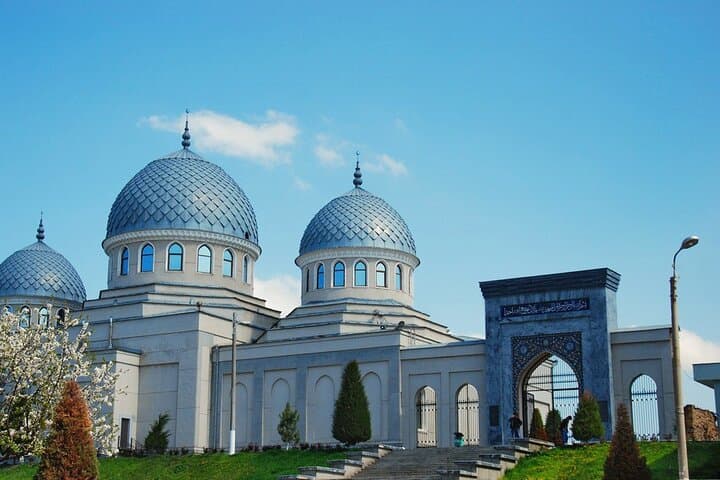
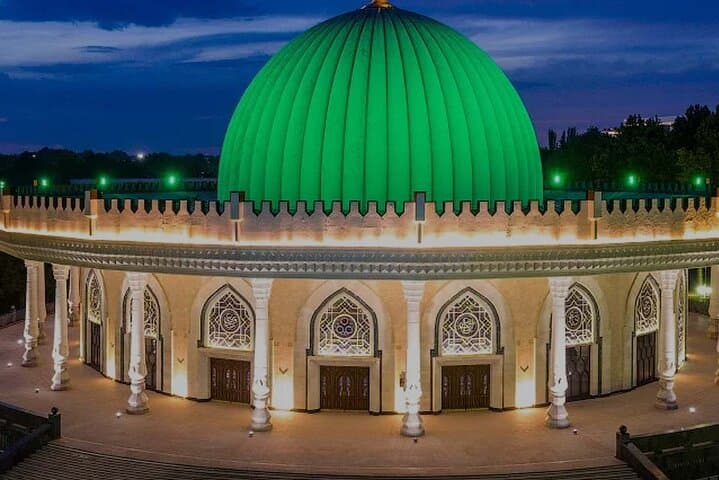
You step off the high‑speed Afrosiyob and the air changes: the concrete grid of modern Tashkent gives way to cobalt domes and sun‑baked brick as the tour threads its way across the flat, wind‑scoured plains of Central Asia.
You step off the high‑speed Afrosiyob and the air changes: the concrete grid of modern Tashkent gives way to cobalt domes and sun‑baked brick as the tour threads its way across the flat, wind‑scoured plains of Central Asia.
Over seven days this itinerary moves from Tashkent’s broad avenues to Samarkand’s Registan, Bukhara’s Ark and trading domes, and Khiva’s walled Ichan‑Kala — each stop a layer of Silk Road history and Timurid craft. Geologically the region sits on ancient alluvial fans and the Kyzylkum steppe; the Amu Darya to the west still shapes local irrigation and trade routes. Culturally, expect centuries‑old madrasahs, listed UNESCO sites, and markets where spices and dried fruits are sold as they have been for generations.
Guides lead hotel pickups, train transfers (Tashkent–Samarkand ~2h15m; Samarkand–Bukhara ~1h30m), and a longer rail road to Khiva (~6–7 hours with an Amu Darya stop). Accommodation is in 3–4★ hotels with breakfasts included; most daytime touring involves 1–3 miles of walking across uneven paved courtyards, bazaars and stairs.
Practical edge: carry cash for bazaar purchases, bring sun protection and modest dress for mosque interiors, and plan light layers for cool desert nights. If you like architecture and history, this is concentrated access to Central Asia’s best‑preserved Islamic sites with logistics handled — a focused cultural circuit rather than a wilderness trek.