THE ADVENTURE COLLECTIVE® · Independent discovery and booking for outdoor travel

A focused 10-day route through Uzbekistan’s Silk Road jewels—Tashkent, Samarkand, Bukhara and Khiva—combining trains, a private transfer and guided city tours. Expect historic architecture, bustling bazaars, and a long desert drive between Bukhara and Khiva.
A focused 10-day route through Uzbekistan’s Silk Road jewels—Tashkent, Samarkand, Bukhara and Khiva—combining trains, a private transfer and guided city tours. Expect historic architecture, bustling bazaars, and a long desert drive between Bukhara and Khiva.
You step out of Tashkent International into a slice of Central Asia where Soviet boulevards meet mosaic domes; a driver waits behind the iron fence with your name, and the trip begins.
Verified experiences and guided adventures in the surrounding area.
Operated by Samaria Travel · Tashkent, Tashkent
You step out of Tashkent International into a slice of Central Asia where Soviet boulevards meet mosaic domes; a driver waits behind the iron fence with your name, and the trip begins.
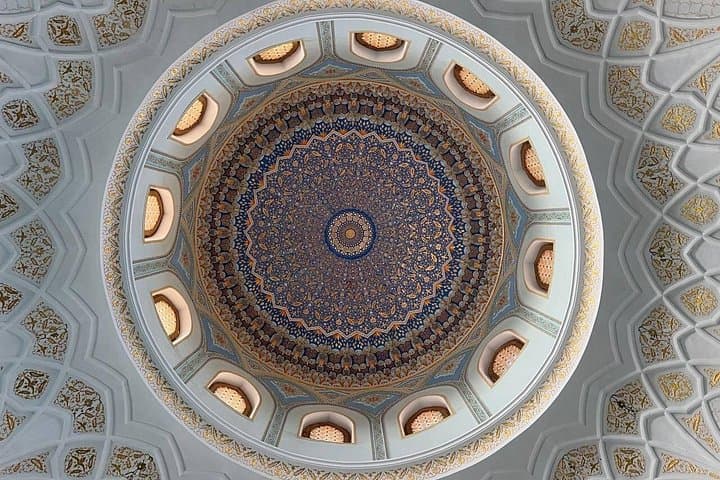
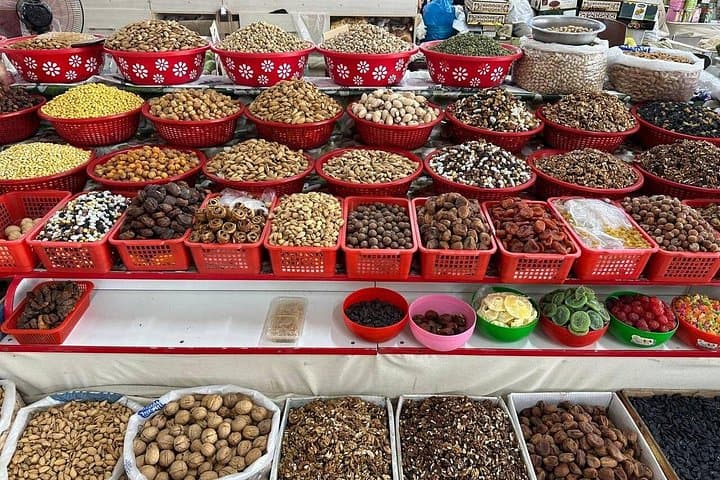
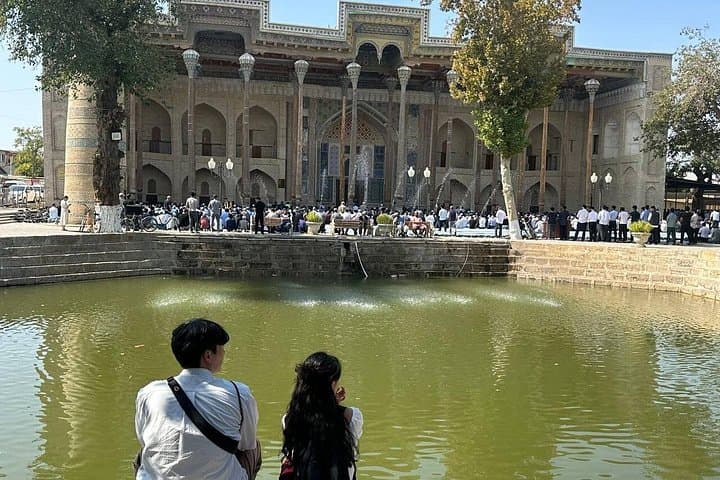
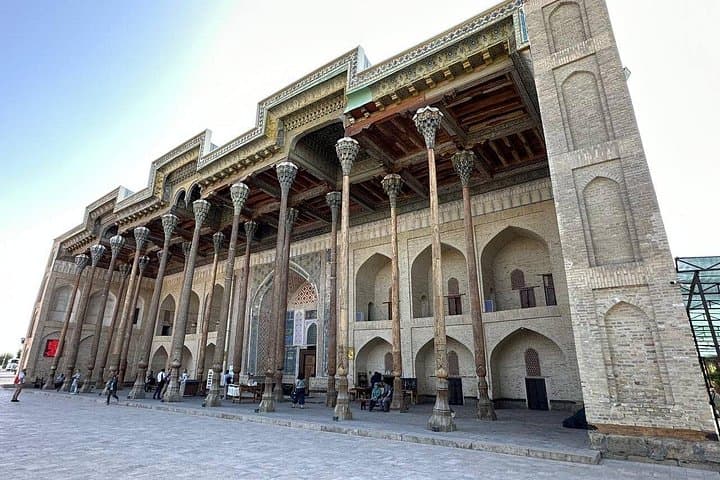
Over ten days you move along the Silk Road’s most famous stops. In Tashkent the city’s earthquake scars and modern metro stations sit beside the Khazrati Imom complex and Chorsu market. Trains slice between cities—swift, practical connections to Samarkand’s Registan, Ulugbek’s observatory and the golden ceiling of Tilya-Kori. Bukhara’s Poi Kalon and Labi Hauz speak of trade and scholarship; Khiva’s Ichan Qala is an open-air compound of narrow lanes and low houses enclosed by ancient walls. The route crosses the Amu Darya and the Kyzylkum desert, revealing steppe light and patchy roadside tea houses.
History here is tangible: Timurid mausoleums, Silk Road caravan hubs, and madrassahs that doubled as centers of learning. Expect varied surfaces—cobblestones, packed earth, and mosque courtyards—and crowded bazaars where bargaining is part of the rhythm.
Practical guidance: bring comfortable walking shoes, a headscarf for holy sites, and small denominations of local currency for markets and tips. The itinerary includes domestic flights, private transfers and train tickets; guides handle most logistics but plan for short, active sightseeing days and some long transfers (Bukhara to Khiva is a ~7-hour drive). Hydrate in summer sun, layer in spring/fall, and allow tolerance for closures or restorations at monuments. With a mix of history, architecture and everyday markets, this tour is best for travelers who enjoy cultural walking tours paced across multiple cities.
easy.
10 days.
Suitable for travelers in average fitness—requires walking on uneven surfaces and climbing stairs at historic sites.
Yes—domestic air from Urgench and train tickets between Tashkent–Samarkand and Samarkand–Bukhara are included per itinerary.
Both men and women should cover shoulders and knees; women are expected to cover their hair with a scarf when entering holy places.
The private transfer is about 7 hours, crossing the Amu Darya region and parts of the Kyzylkum desert with a lunch stop at a tea house if desired.
Accommodation is 3-star tourist-class or centrally located boutique hotels; amenities meet local standards but may differ from Western European hotels.
The itinerary follows Silk Road arteries and Timurid landmarks; Samarkand rose to prominence under Timur (Tamerlane) whose patronage sculpted much of the city’s monumental architecture.
Tourism management encourages respectful visitation of fragile tilework and monuments; carry out waste, avoid touching frescoes and use licensed guides to reduce impact.
Samaria Travel operates guided outdoor trips and adventures with an emphasis on safety, stewardship, and memorable experiences.
You step out of Tashkent International into a slice of Central Asia where Soviet boulevards meet mosaic domes; a driver waits behind the iron fence with your name, and the trip begins.
You step out of Tashkent International into a slice of Central Asia where Soviet boulevards meet mosaic domes; a driver waits behind the iron fence with your name, and the trip begins.
Over ten days you move along the Silk Road’s most famous stops. In Tashkent the city’s earthquake scars and modern metro stations sit beside the Khazrati Imom complex and Chorsu market. Trains slice between cities—swift, practical connections to Samarkand’s Registan, Ulugbek’s observatory and the golden ceiling of Tilya-Kori. Bukhara’s Poi Kalon and Labi Hauz speak of trade and scholarship; Khiva’s Ichan Qala is an open-air compound of narrow lanes and low houses enclosed by ancient walls. The route crosses the Amu Darya and the Kyzylkum desert, revealing steppe light and patchy roadside tea houses.
History here is tangible: Timurid mausoleums, Silk Road caravan hubs, and madrassahs that doubled as centers of learning. Expect varied surfaces—cobblestones, packed earth, and mosque courtyards—and crowded bazaars where bargaining is part of the rhythm.
Practical guidance: bring comfortable walking shoes, a headscarf for holy sites, and small denominations of local currency for markets and tips. The itinerary includes domestic flights, private transfers and train tickets; guides handle most logistics but plan for short, active sightseeing days and some long transfers (Bukhara to Khiva is a ~7-hour drive). Hydrate in summer sun, layer in spring/fall, and allow tolerance for closures or restorations at monuments. With a mix of history, architecture and everyday markets, this tour is best for travelers who enjoy cultural walking tours paced across multiple cities.