THE ADVENTURE COLLECTIVE® · Independent discovery and booking for outdoor travel

Cross high quinoa fields and sleep in a community-run salt hotel at the foot of Tunupa on this private two-day tour from La Paz. Expect starlit salt flats, sunrise reflections, pre-Incan ruins and close-up wildlife encounters.
Cross high quinoa fields and sleep in a community-run salt hotel at the foot of Tunupa on this private two-day tour from La Paz. Expect starlit salt flats, sunrise reflections, pre-Incan ruins and close-up wildlife encounters.
The road leaves La Paz at first light and the high plateau opens like a white page. Winds push across quinoa fields and the silhouette of Tunupa grows taller, a volcano that watches the salt flats below. You arrive at Tahua as the sun slashes cold air into gold; at night the salt reflects a sky bright with stars, and the plain itself seems to breathe.
Verified experiences and guided adventures in the surrounding area.
Operated by Sergio Andres · Tahua, Potosí Department
The road leaves La Paz at first light and the high plateau opens like a white page. Winds push across quinoa fields and the silhouette of Tunupa grows taller, a volcano that watches the salt flats below. You arrive at Tahua as the sun slashes cold air into gold; at night the salt reflects a sky bright with stars, and the plain itself seems to breathe.
This two-day route follows traditional caravan corridors and Andean settlements—Uru and Aymara communities who have harvested salt and farmed quinoa for generations. Geologically the Salar is the remnant of an ancient lake; underfoot the salt crust alternates between smooth white pans and polygonal ridges. Tunupa’s eroded flanks hold pre-Incan ruins and caves, while Alcaya’s archaeological site reveals earlier agricultural terraces and stonework.
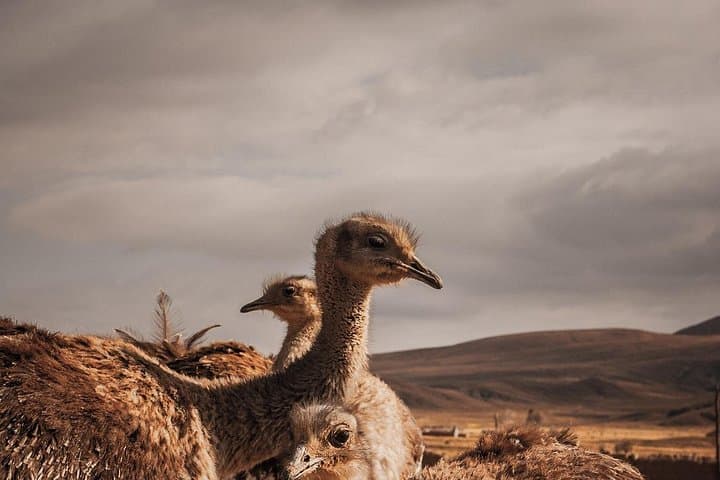
Culturally the experience is community-led: the salt hotel at Tahua is owned locally, and meals often come from regional recipes. Wildlife punctuates the flat—flamingos probe shallow brine pools at dawn and vicuñas graze the puna at higher ground.
Practical guidance: plan for altitude—sleep, hydrate, and move slowly the first day. Bring sturdy footwear for uneven salt crust, a warm outer layer for sub-freezing nights, and sun protection for the daytime glare. Photography windows are sunrise and sunset; in the rainy season (Dec–Feb) mirror reflections dominate, while the dry months open walkable expanses. Expect long drives on gravel, community visits, and two salt-flat exits for stargazing and sunrise photography—efficient, immersive, and rooted in local hospitality.
moderate.
2 days.
Light-to-moderate fitness; able to tolerate long vehicle transfers and short walks at high altitude
The Salar sits around 3,600–3,700 m (11,800–12,140 ft) with surrounding altitudes higher; mild altitude symptoms are common—acclimatize, hydrate, and tell guides if you feel unwell.
Yes: two breakfasts, two lunches and dinner are included; you’ll stay in a community-run salt hotel in Tahua on night one.
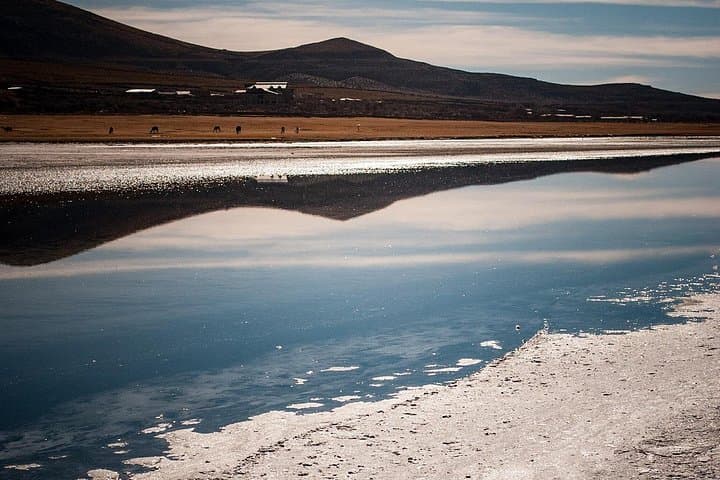
The rainy season (December–February) creates the famous mirror effect after rains; dry months (April–November) offer expansive walking and clearer access.
The tour is family-friendly for children able to tolerate altitude, but it is not recommended for pregnant travelers due to high altitude and long travel times.
The Salar de Uyuni is the exposed bed of prehistoric Lake Minchin; local Aymara and Uru communities have long managed salt extraction and pastoralism around Tunupa.
The salt ecosystem is fragile—stick to established routes, avoid disturbing wildlife, and support community-run lodgings to keep tourism benefits local.
Sergio Andres operates guided outdoor trips and adventures with an emphasis on safety, stewardship, and memorable experiences.
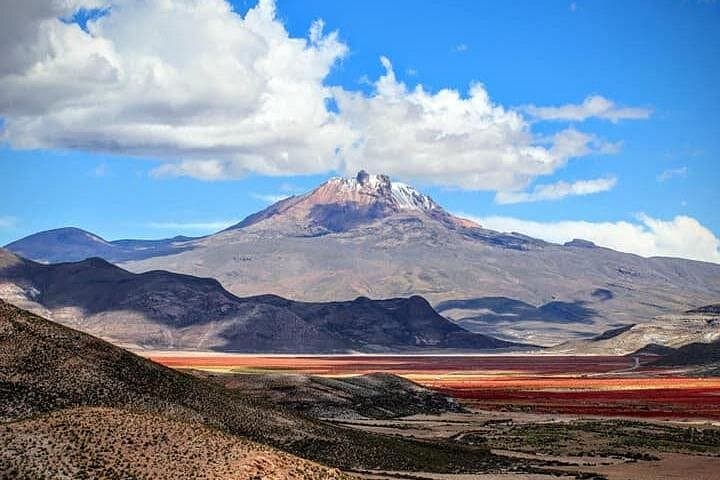
The road leaves La Paz at first light and the high plateau opens like a white page. Winds push across quinoa fields and the silhouette of Tunupa grows taller, a volcano that watches the salt flats below. You arrive at Tahua as the sun slashes cold air into gold; at night the salt reflects a sky bright with stars, and the plain itself seems to breathe.
The road leaves La Paz at first light and the high plateau opens like a white page. Winds push across quinoa fields and the silhouette of Tunupa grows taller, a volcano that watches the salt flats below. You arrive at Tahua as the sun slashes cold air into gold; at night the salt reflects a sky bright with stars, and the plain itself seems to breathe.
This two-day route follows traditional caravan corridors and Andean settlements—Uru and Aymara communities who have harvested salt and farmed quinoa for generations. Geologically the Salar is the remnant of an ancient lake; underfoot the salt crust alternates between smooth white pans and polygonal ridges. Tunupa’s eroded flanks hold pre-Incan ruins and caves, while Alcaya’s archaeological site reveals earlier agricultural terraces and stonework.
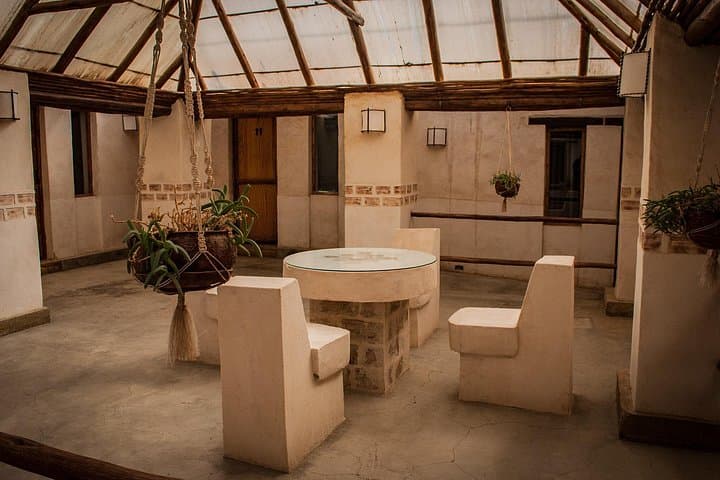
Culturally the experience is community-led: the salt hotel at Tahua is owned locally, and meals often come from regional recipes. Wildlife punctuates the flat—flamingos probe shallow brine pools at dawn and vicuñas graze the puna at higher ground.
Practical guidance: plan for altitude—sleep, hydrate, and move slowly the first day. Bring sturdy footwear for uneven salt crust, a warm outer layer for sub-freezing nights, and sun protection for the daytime glare. Photography windows are sunrise and sunset; in the rainy season (Dec–Feb) mirror reflections dominate, while the dry months open walkable expanses. Expect long drives on gravel, community visits, and two salt-flat exits for stargazing and sunrise photography—efficient, immersive, and rooted in local hospitality.