THE ADVENTURE COLLECTIVE® · Independent discovery and booking for outdoor travel

Two full days across the Salar de Uyuni visiting Colchani, Incahuasi (Cactus Island) and the Tunupa volcano with a salt-hostel overnight. Expect dramatic mirror-effect photos, sunrise and sunset on the salt plain and a short optional hike to a panoramic viewpoint.
Two full days across the Salar de Uyuni visiting Colchani, Incahuasi (Cactus Island) and the Tunupa volcano with a salt-hostel overnight. Expect dramatic mirror-effect photos, sunrise and sunset on the salt plain and a short optional hike to a panoramic viewpoint.
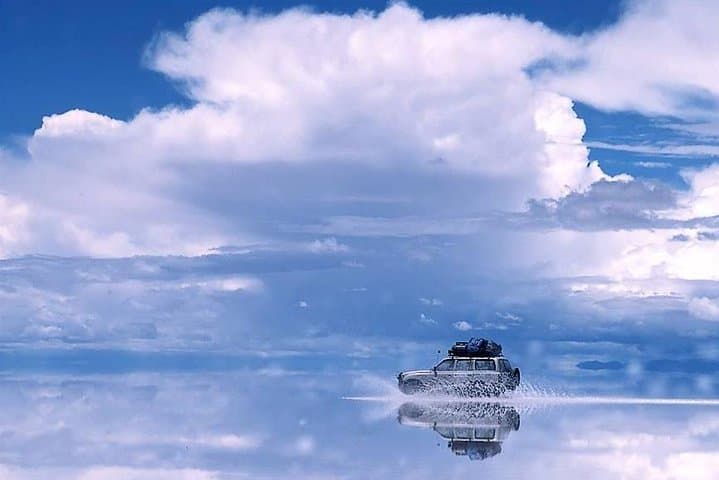
By first light the salt shines like a sheet of blown glass, stretching flat and endless as you crawl in a Toyota Land Cruiser toward the horizon.
Verified experiences and guided adventures in the surrounding area.
Operated by Andes Salt Expeditions Tour Operator · Uyuni, Potosí Department
By first light the salt shines like a sheet of blown glass, stretching flat and endless as you crawl in a Toyota Land Cruiser toward the horizon.
The tour threads through the train cemetery and the working salt ovens of Colchani before opening onto the salar itself — a white plain formed when the ancient Lake Minchin evaporated and left behind a crust of hexagonal salt tiles. Tunupa Volcano watches from the rim; Incahuasi (Fish Island) rises like a coral reef of rock crowned with giant cacti and windy vistas.
This route traces geological time: volcanic eruptions, lacustrine deposits and tectonic lift that created one of the planet’s largest salt deserts. Culturally, Colchani’s salt cooperatives and roadside salt sculptures show how local communities still work the land. At night the absence of light pollution makes the Milky Way feel close enough to touch.
Expect two full days of easy vehicle travel punctuated by short walks — a sunrise on the salar, a 15-minute salt flat stroll, and an optional two-hour climb toward Tunupa’s first viewpoint at 4,200 m. Guides provide boots for the mirror-effect area and a salt-hostel overnight. Altitude is the practical constraint: hydrate, pace yourself, and avoid heavy exertion the first day if you’re not acclimatized.
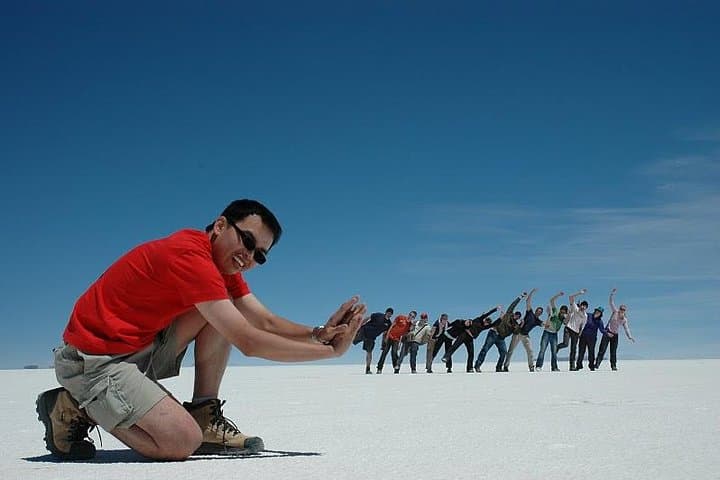
Bring sun protection and layered clothing; temperatures swing wildly between day and night. Photographers should plan for perspective shots on the flat and golden-hour silhouettes on the volcano rim. The trip balances spectacle and simple logistics — a raw, high-altitude landscape that rewards modest preparation with unforgettable light, reflections and sky.
moderate.
2 days (approx. 48 hours).
Moderate fitness — able to walk 1–2 hours at altitude and handle short climbs to viewpoints
Yes — the itinerary reaches elevations around 4,200 m; spending a day or two in Uyuni or another lower-altitude town before the tour helps reduce altitude sickness.
No — the mirror effect happens when a thin layer of water covers parts of the salar, usually after rains; the tour operates April–December mainly to avoid rain, but conditions vary.
The overnight is in a salt-built hostel near the salar with simple shared facilities; it’s basic but unique, and guides provide communal meals.
Yes — guides typically know low-sun angles and safe areas for perspective photography and will help stage shots safely away from fragile salt features.
The salar is the remnant of prehistoric Lake Minchin; human salt production here dates back centuries and local cooperatives still process salt traditionally.
Visitors should stay on marked routes and avoid breaking salt tiles; local tourism supports community cooperatives but increased foot traffic requires careful waste and water management.
Andes Salt Expeditions Tour Operator operates guided outdoor trips and adventures with an emphasis on safety, stewardship, and memorable experiences.
By first light the salt shines like a sheet of blown glass, stretching flat and endless as you crawl in a Toyota Land Cruiser toward the horizon.
By first light the salt shines like a sheet of blown glass, stretching flat and endless as you crawl in a Toyota Land Cruiser toward the horizon.
The tour threads through the train cemetery and the working salt ovens of Colchani before opening onto the salar itself — a white plain formed when the ancient Lake Minchin evaporated and left behind a crust of hexagonal salt tiles. Tunupa Volcano watches from the rim; Incahuasi (Fish Island) rises like a coral reef of rock crowned with giant cacti and windy vistas.
This route traces geological time: volcanic eruptions, lacustrine deposits and tectonic lift that created one of the planet’s largest salt deserts. Culturally, Colchani’s salt cooperatives and roadside salt sculptures show how local communities still work the land. At night the absence of light pollution makes the Milky Way feel close enough to touch.
Expect two full days of easy vehicle travel punctuated by short walks — a sunrise on the salar, a 15-minute salt flat stroll, and an optional two-hour climb toward Tunupa’s first viewpoint at 4,200 m. Guides provide boots for the mirror-effect area and a salt-hostel overnight. Altitude is the practical constraint: hydrate, pace yourself, and avoid heavy exertion the first day if you’re not acclimatized.
Bring sun protection and layered clothing; temperatures swing wildly between day and night. Photographers should plan for perspective shots on the flat and golden-hour silhouettes on the volcano rim. The trip balances spectacle and simple logistics — a raw, high-altitude landscape that rewards modest preparation with unforgettable light, reflections and sky.