THE ADVENTURE COLLECTIVE® · Independent discovery and booking for outdoor travel

Three days link Lake Titicaca’s sacred Isla del Sol with the infinite white of the Salar de Uyuni. This compact route balances cultural sites and salt-flat panoramas with overnight bus travel and guided 4x4 exploration.
Three days link Lake Titicaca’s sacred Isla del Sol with the infinite white of the Salar de Uyuni. This compact route balances cultural sites and salt-flat panoramas with overnight bus travel and guided 4x4 exploration.
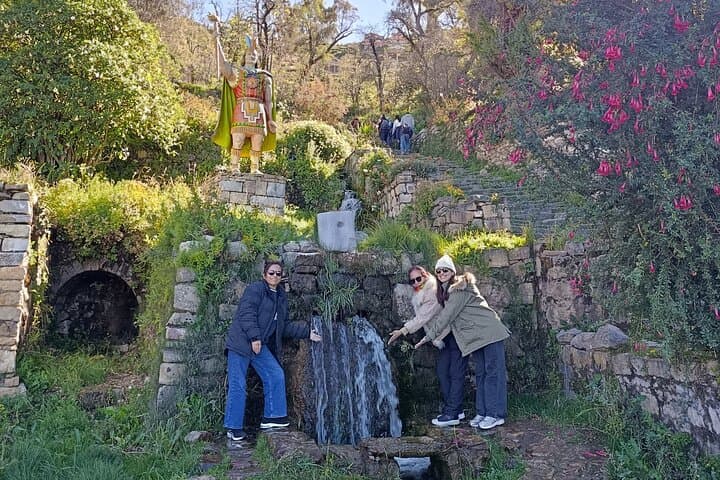
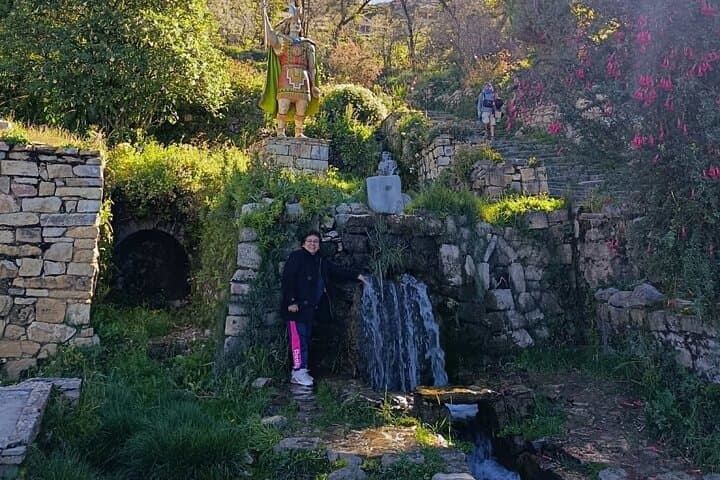
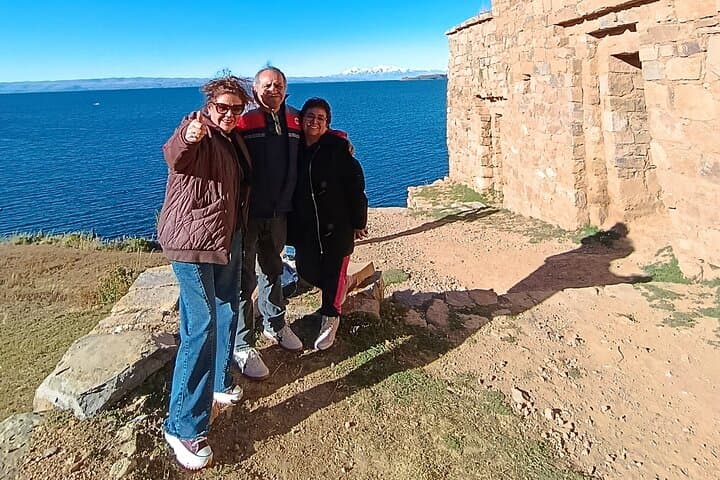
Morning light slices across Altiplano wind and salt. Travelers begin in Puno, climb aboard a reclining bus toward Copacabana, and cross the high lake to Isla del Sol where stone stairways and the Fountain of Youth feel like a chapter from Inca maps. By night a semi-bed bus hums toward Uyuni; by day two the vast white of the Salar opens like a wrong-footed sky—train skeletons, salt eyes, and cactus-studded Incahuasi make for stark geometry and slow-motion panoramas.
Verified experiences and guided adventures in the surrounding area.
Operated by Titicaca Magic Tours · Uyuni, Potosí Department
Morning light slices across Altiplano wind and salt. Travelers begin in Puno, climb aboard a reclining bus toward Copacabana, and cross the high lake to Isla del Sol where stone stairways and the Fountain of Youth feel like a chapter from Inca maps. By night a semi-bed bus hums toward Uyuni; by day two the vast white of the Salar opens like a wrong-footed sky—train skeletons, salt eyes, and cactus-studded Incahuasi make for stark geometry and slow-motion panoramas.
The route stitches together two very different geologies: Lake Titicaca’s glacial and tectonic history shaped communities and ritual sites on Isla del Sol, while the Salar de Uyuni is the remnant of prehistoric lacustrine basins that dried into an 10,000 km² salt crust. Local Aymara and Quechua culture threads each stop—Copacabana’s cathedral and island shrines reveal centuries of syncretic practice.
Expect short walks on uneven stone, a boat crossing on high-altitude waters, and several hours in a 4x4 across salt flats. Weather shifts fast: strong sun by day, sharp cold at dawn and after sunset. Hydration and slow pacing reduce altitude effects; layers and sun protection are non-negotiable. Photographers should plan for mirror reflections after rain and low-angle light at sunrise/sunset. Guides handle permits, lunches in the salt, and inland transfers—so bring patience, good footwear, and a sense of scale: this itinerary is about contrasts, culture, and one of the planet’s most extreme outdoor stages.
moderate.
3 days.
Light walking ability for uneven stone steps and short hikes; be prepared for long vehicle transfers at high altitude.
Visa requirements depend on your nationality—check entry rules in advance and carry a valid passport; the tour crosses an international border with documented checkpoints.
Most of the salar and Incahuasi include uneven salt crust and rocky paths—access is limited for wheelchairs and mobility devices.
Two lunches are provided: a tourist lunch on day one and a country-style buffet on the salar day; breakfasts and other dinners are typically at your own expense unless noted.
Altitude ranges from ~3,800 m (Puno) to similar heights—symptoms can occur even in fit travelers; acclimatize, hydrate, and consult a physician about preventive medication if concerned.
Isla del Sol was an important Inca pilgrimage site with stairways and sun temples; the salar is the crust of ancient lakes that once covered this basin and later fueled local salt economies.
The salt flat is ecologically fragile—avoid driving off established tracks, pack out waste, and support local salt-harvest communities to minimize impact.
Titicaca Magic Tours operates guided outdoor trips and adventures with an emphasis on safety, stewardship, and memorable experiences.

Morning light slices across Altiplano wind and salt. Travelers begin in Puno, climb aboard a reclining bus toward Copacabana, and cross the high lake to Isla del Sol where stone stairways and the Fountain of Youth feel like a chapter from Inca maps. By night a semi-bed bus hums toward Uyuni; by day two the vast white of the Salar opens like a wrong-footed sky—train skeletons, salt eyes, and cactus-studded Incahuasi make for stark geometry and slow-motion panoramas.
Morning light slices across Altiplano wind and salt. Travelers begin in Puno, climb aboard a reclining bus toward Copacabana, and cross the high lake to Isla del Sol where stone stairways and the Fountain of Youth feel like a chapter from Inca maps. By night a semi-bed bus hums toward Uyuni; by day two the vast white of the Salar opens like a wrong-footed sky—train skeletons, salt eyes, and cactus-studded Incahuasi make for stark geometry and slow-motion panoramas.
The route stitches together two very different geologies: Lake Titicaca’s glacial and tectonic history shaped communities and ritual sites on Isla del Sol, while the Salar de Uyuni is the remnant of prehistoric lacustrine basins that dried into an 10,000 km² salt crust. Local Aymara and Quechua culture threads each stop—Copacabana’s cathedral and island shrines reveal centuries of syncretic practice.
Expect short walks on uneven stone, a boat crossing on high-altitude waters, and several hours in a 4x4 across salt flats. Weather shifts fast: strong sun by day, sharp cold at dawn and after sunset. Hydration and slow pacing reduce altitude effects; layers and sun protection are non-negotiable. Photographers should plan for mirror reflections after rain and low-angle light at sunrise/sunset. Guides handle permits, lunches in the salt, and inland transfers—so bring patience, good footwear, and a sense of scale: this itinerary is about contrasts, culture, and one of the planet’s most extreme outdoor stages.