THE ADVENTURE COLLECTIVE® · Independent discovery and booking for outdoor travel

Explore Uxmal’s Puuc masterpieces and Kabah’s ornate masks, then finish with a hands-on Mayan chocolate tasting and ceremony. This full-day tour from Mérida combines guided history, free exploration, and a local meal.
Explore Uxmal’s Puuc masterpieces and Kabah’s ornate masks, then finish with a hands-on Mayan chocolate tasting and ceremony. This full-day tour from Mérida combines guided history, free exploration, and a local meal.
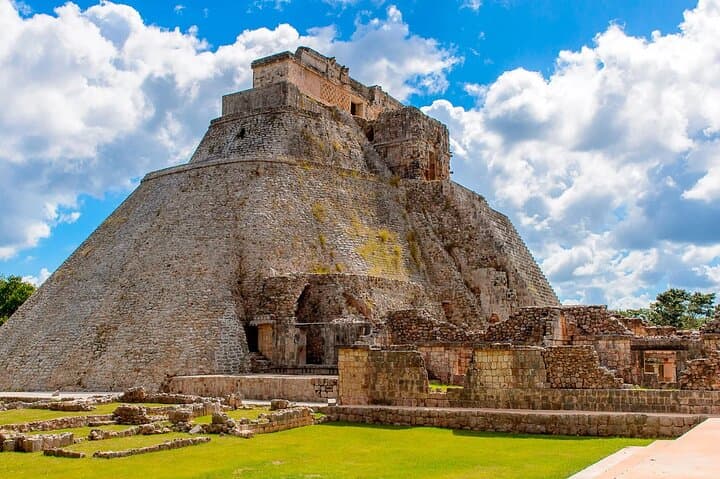
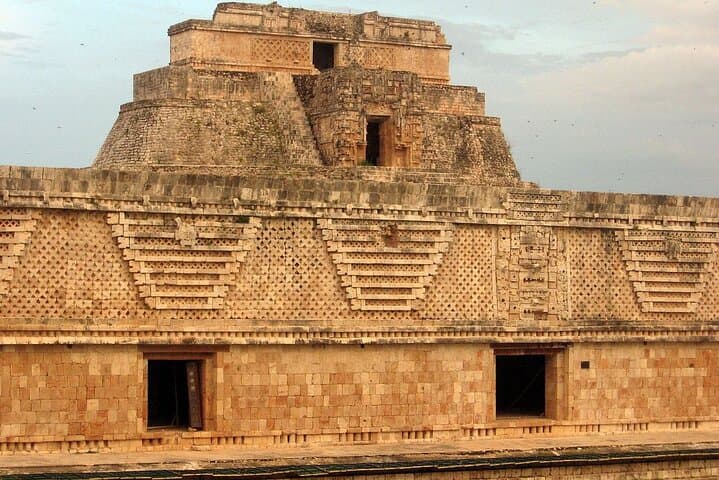
A limestone plaza opens before you and the Pyramid of the Magician rises like a folded story against the broad Yucatán sky. Early light picks out carved masks and stepped facades; the wind through the low scrub seems to murmur the names of builders long gone. That immediacy—stones that still hold the rhythm of hands and ritual—defines a day that moves from grand Puuc architecture to a small, living chocolate workshop.
Verified experiences and guided adventures in the surrounding area.
Operated by Altus Tours · Uxmal, Yucatán
A limestone plaza opens before you and the Pyramid of the Magician rises like a folded story against the broad Yucatán sky. Early light picks out carved masks and stepped facades; the wind through the low scrub seems to murmur the names of builders long gone. That immediacy—stones that still hold the rhythm of hands and ritual—defines a day that moves from grand Puuc architecture to a small, living chocolate workshop.
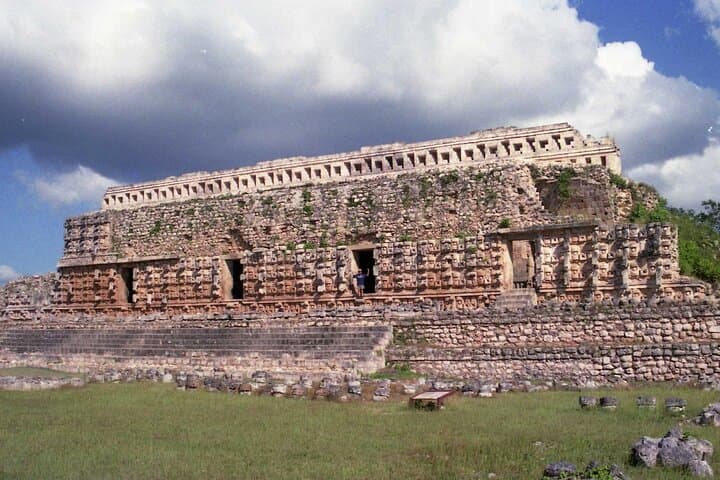
Uxmal grew into prominence in the Late Classic period (c. 600–1000 CE), its buildings set on a karst plain where sinkholes and shallow soils shaped settlement patterns. The Puuc style here favors finely cut stone veneers, patterned friezes and rounded columns; Kabah, a short drive away, answers with the ornate Codz-Pok style, famously decorated with masks of the rain god Chaac.
Cultural notes: the region remains populated by Maya communities who preserve language, craft and culinary traditions—chocolate here is both food and ceremony. Geologically, the flat limestone is porous; trails can be dusty and sun-exposed.
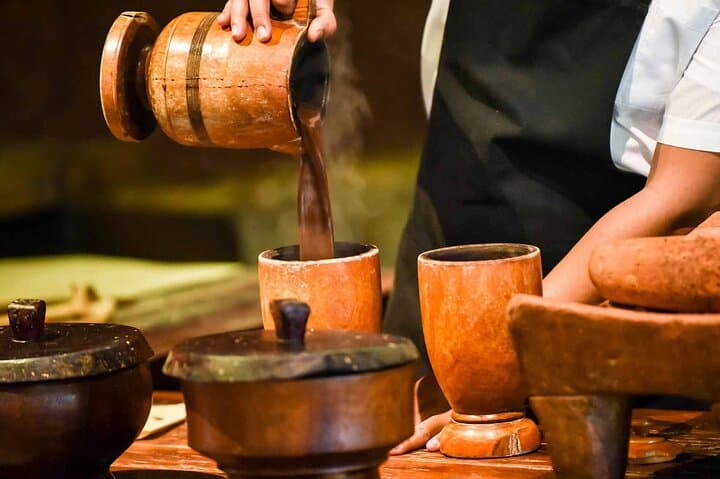
Practical guidance: expect 10–11 hours including transport from Mérida, guided segments and free time. Bring cash (pesos) for park fees or small purchases; entrances and local vendors sometimes accept cash only. Wear sturdy walking shoes for uneven stone and packed earth, a wide-brim hat and sunscreen—the sun in the Puuc is uncompromising. Hydrate before you go and carry at least 1–2 liters; temperatures often climb by late morning. Time your visit early for cooler light on the façades and to avoid busier mid-day crowds. The chocolate workshop is a tactile, sensory finish—tasting and a brief ceremony that connects ingredients to ancestral practice.
moderate.
10–11 hours.
Light to moderate fitness; able to walk on uneven ground and climb short stone steps.
Entrance fees are not included; the tour notes that ruins entrances are paid with cash (pesos), so bring small bills for park admission.
The tour involves walking on uneven stone and climbing short steps; it is not recommended for travelers with significant mobility issues or spinal injuries.
The tour includes a three-course restaurant meal—notify the operator in advance about dietary restrictions so they can make accommodations when possible.
Round transportation from Mérida is included, though the supplier may assign a meeting point; confirm pickup details at booking.
Uxmal is a major Puuc-style site from the Late Classic period (c. 600–1000 CE); Kabah is noted for its elaborate Chaac masks and doorway sculpture.
Stick to marked paths and avoid touching masonry to reduce erosion; carry out trash and support local guides and workshops that keep traditional crafts alive.
Altus Tours operates guided outdoor trips and adventures with an emphasis on safety, stewardship, and memorable experiences.
A limestone plaza opens before you and the Pyramid of the Magician rises like a folded story against the broad Yucatán sky. Early light picks out carved masks and stepped facades; the wind through the low scrub seems to murmur the names of builders long gone. That immediacy—stones that still hold the rhythm of hands and ritual—defines a day that moves from grand Puuc architecture to a small, living chocolate workshop.
A limestone plaza opens before you and the Pyramid of the Magician rises like a folded story against the broad Yucatán sky. Early light picks out carved masks and stepped facades; the wind through the low scrub seems to murmur the names of builders long gone. That immediacy—stones that still hold the rhythm of hands and ritual—defines a day that moves from grand Puuc architecture to a small, living chocolate workshop.
Uxmal grew into prominence in the Late Classic period (c. 600–1000 CE), its buildings set on a karst plain where sinkholes and shallow soils shaped settlement patterns. The Puuc style here favors finely cut stone veneers, patterned friezes and rounded columns; Kabah, a short drive away, answers with the ornate Codz-Pok style, famously decorated with masks of the rain god Chaac.
Cultural notes: the region remains populated by Maya communities who preserve language, craft and culinary traditions—chocolate here is both food and ceremony. Geologically, the flat limestone is porous; trails can be dusty and sun-exposed.
Practical guidance: expect 10–11 hours including transport from Mérida, guided segments and free time. Bring cash (pesos) for park fees or small purchases; entrances and local vendors sometimes accept cash only. Wear sturdy walking shoes for uneven stone and packed earth, a wide-brim hat and sunscreen—the sun in the Puuc is uncompromising. Hydrate before you go and carry at least 1–2 liters; temperatures often climb by late morning. Time your visit early for cooler light on the façades and to avoid busier mid-day crowds. The chocolate workshop is a tactile, sensory finish—tasting and a brief ceremony that connects ingredients to ancestral practice.