THE ADVENTURE COLLECTIVE® · Independent discovery and booking for outdoor travel

Spend a full day moving from the Puuc pyramids of Uxmal to the clear waters of Cenote Sambula and the interactive Choco Story Museum in Mérida—an accessible cultural loop that blends archaeology, geology and local flavor. Practical tips included for fees, swim safety, and timing.
Spend a full day moving from the Puuc pyramids of Uxmal to the clear waters of Cenote Sambula and the interactive Choco Story Museum in Mérida—an accessible cultural loop that blends archaeology, geology and local flavor. Practical tips included for fees, swim safety, and timing.
You step out of Mérida's morning heat into an air-conditioned van and the road opens toward the Puuc hills—low, limestone folds that keep centuries of carved stone cool in their shadow.
Verified experiences and guided adventures in the surrounding area.
Operated by Ekinox Tours · Mérida, Yucatán
You step out of Mérida's morning heat into an air-conditioned van and the road opens toward the Puuc hills—low, limestone folds that keep centuries of carved stone cool in their shadow.
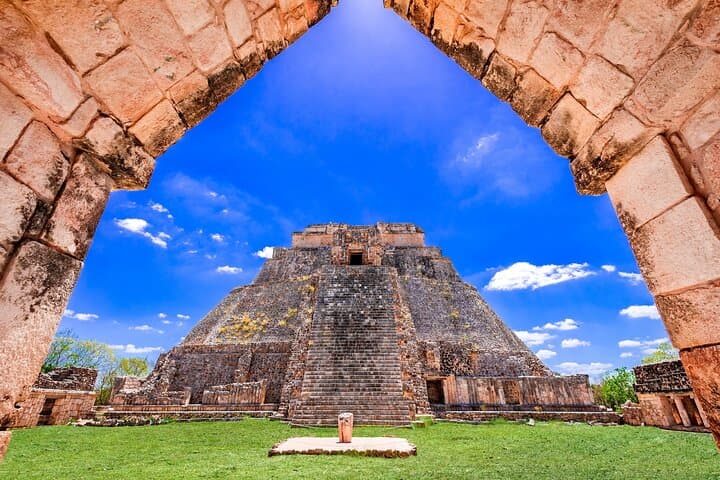
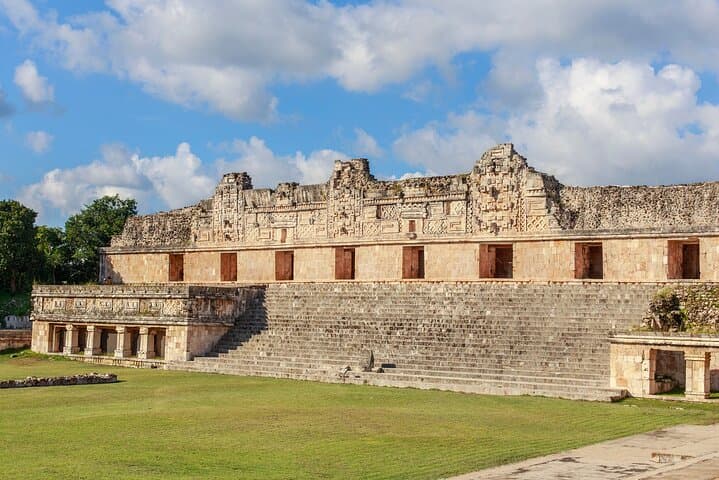
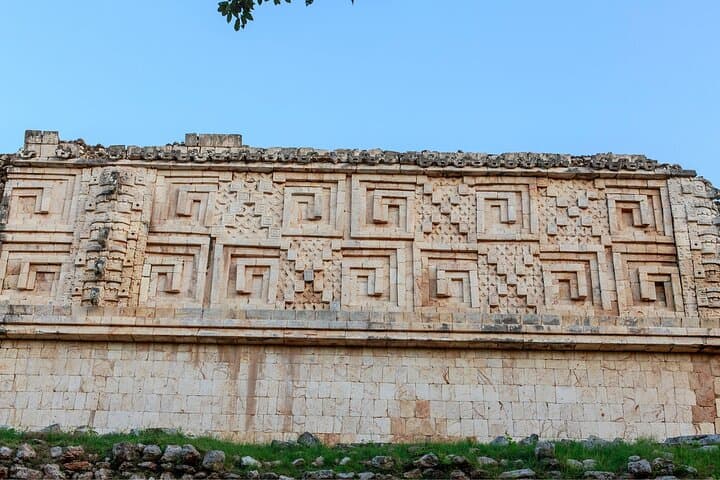
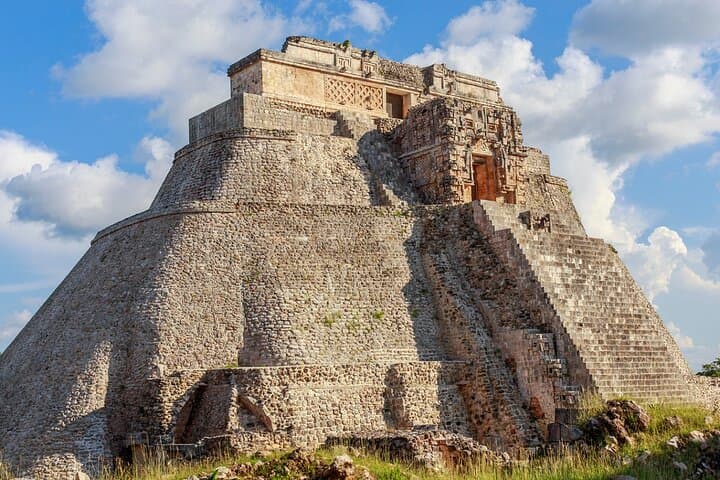
At Uxmal the Pyramid of the Magician leans toward the sky with patient geometry; the Puuc-style facades—rows of repeating stone masks and latticework—speak of a city at its height between 600–900 CE. The geology here is limestone karst: porous ground that channels rain into underground rivers. Those currents carve the cenotes, and at Sambula the water waits like a polished mirror daring you to dive in.
Back in Mérida, the Yucatán Choco Story Museum traces cacao from wild forest to Mayan cup, showing how chocolate moved from sacred offering to global commodity. Along the route you’ll pass small ranches and fields where the land remembers both Mayan water management and Spanish-era changes to agriculture.
Plan for a long day—expect 10–11 hours with time at each stop. Bring cash for INAH entrance and local taxes, swimwear for the cenote, and sun protection for open stretches at archaeological sites. Wear supportive footwear for uneven stone steps and short climbs; a light change of clothes is useful after swimming.
The experience is both cultural and tactile: the stone feels warm, the cenote cool, and the museum fills in the story between them. Respect onsite rules at the cenote and archaeological zone—no detergents, no loose sunscreen in the water—and you’ll leave with photos, salted hair, and a better sense of how the Yucatán’s landscape shaped its people.
easy.
10–11 hours.
Suitable for travelers in normal physical condition; involves walking on uneven ground and short stair climbs
INAH admission and local cultural taxes for Uxmal are typically not included and must be paid in cash; the tour notes the cenote admission is included—confirm with the operator before departing.
Yes—swimming is part of the visit; follow on-site rules such as showering/rinsing before entry and avoiding sunscreens or soaps.
The tour runs about 10–11 hours and usually departs from Mérida with air-conditioned transport; exact pickup details are provided at booking.
The itinerary is rated physically easy, but archaeological sites have uneven steps; strollers may be used in town but are impractical on site—check mobility needs with the operator.
Uxmal is a major Puuc-style Maya city built and occupied primarily between 600–900 CE, known for intricate stone mosaics and ceremonial architecture.
Cenotes are sensitive freshwater ecosystems—use biodegradable products, avoid sunscreen in the water, and follow local rules to limit impact.
Ekinox Tours operates guided outdoor trips and adventures with an emphasis on safety, stewardship, and memorable experiences.
You step out of Mérida's morning heat into an air-conditioned van and the road opens toward the Puuc hills—low, limestone folds that keep centuries of carved stone cool in their shadow.
You step out of Mérida's morning heat into an air-conditioned van and the road opens toward the Puuc hills—low, limestone folds that keep centuries of carved stone cool in their shadow.
At Uxmal the Pyramid of the Magician leans toward the sky with patient geometry; the Puuc-style facades—rows of repeating stone masks and latticework—speak of a city at its height between 600–900 CE. The geology here is limestone karst: porous ground that channels rain into underground rivers. Those currents carve the cenotes, and at Sambula the water waits like a polished mirror daring you to dive in.
Back in Mérida, the Yucatán Choco Story Museum traces cacao from wild forest to Mayan cup, showing how chocolate moved from sacred offering to global commodity. Along the route you’ll pass small ranches and fields where the land remembers both Mayan water management and Spanish-era changes to agriculture.
Plan for a long day—expect 10–11 hours with time at each stop. Bring cash for INAH entrance and local taxes, swimwear for the cenote, and sun protection for open stretches at archaeological sites. Wear supportive footwear for uneven stone steps and short climbs; a light change of clothes is useful after swimming.
The experience is both cultural and tactile: the stone feels warm, the cenote cool, and the museum fills in the story between them. Respect onsite rules at the cenote and archaeological zone—no detergents, no loose sunscreen in the water—and you’ll leave with photos, salted hair, and a better sense of how the Yucatán’s landscape shaped its people.