
Uvita Coffee Tour: Hands-On Visit to the Fallas Family Coffee Farm
Spend 3–4 hours on an interactive farm tour with the Fallas family near Uvita, learning traditional coffee growing, processing and roasting. Participate in hands-on steps during harvest season and finish with a freshly brewed cup and family-style lunch.
An Adventure In Uvita.
Spend 3–4 hours on an interactive farm tour with the Fallas family near Uvita, learning traditional coffee growing, processing and roasting. Participate in hands-on steps during harvest season and finish with a freshly brewed cup and family-style lunch.
Read the full experience
You arrive by a narrow farm road and the air immediately changes — warm, sweet, and threaded with green. The Fallas family home sits low on a gentle slope above Uvita, coffee plants crowding the yard like old friends. Denier greets you in the dining room, then leads the group outside where the plants lean into the breeze as if nudging you toward the next step.
You arrive by a narrow farm road and the air immediately changes — warm, sweet, and threaded with green. The Fallas family home sits low on a gentle slope above Uvita, coffee plants crowding the yard like old friends. Denier greets you in the dining room, then leads the group outside where the plants lean into the breeze as if nudging you toward the next step.
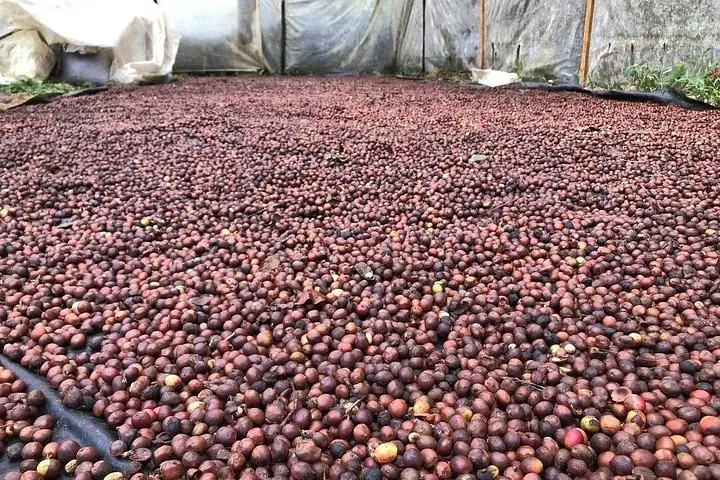
This part of Costa Rica’s Southern Pacific coast moved into coffee production later than the Central Valley, but family farms here preserve traditional processing methods: hand-sorting, sun-drying patios, and small-batch roasting. Geology matters — volcanic soils on the coastal foothills lend the beans subtle acidity and a bright finish. Culturally, a visit is as much about hospitality as harvest; expect conversation about crop cycles, local markets, and the role coffee played in Costa Rica’s 19th–20th century export economy.
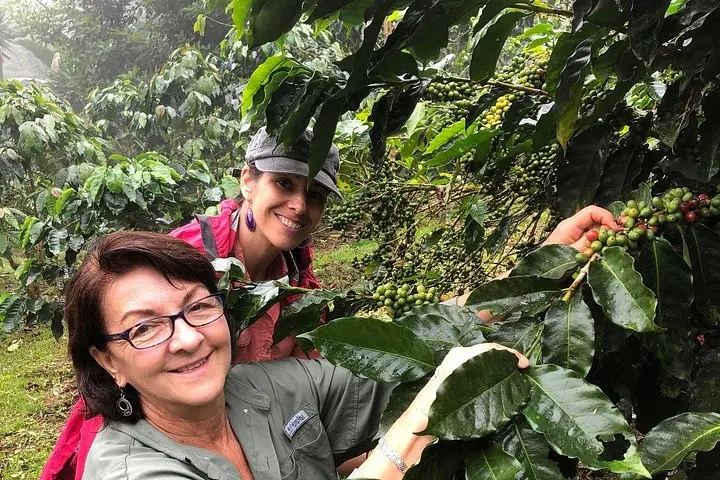
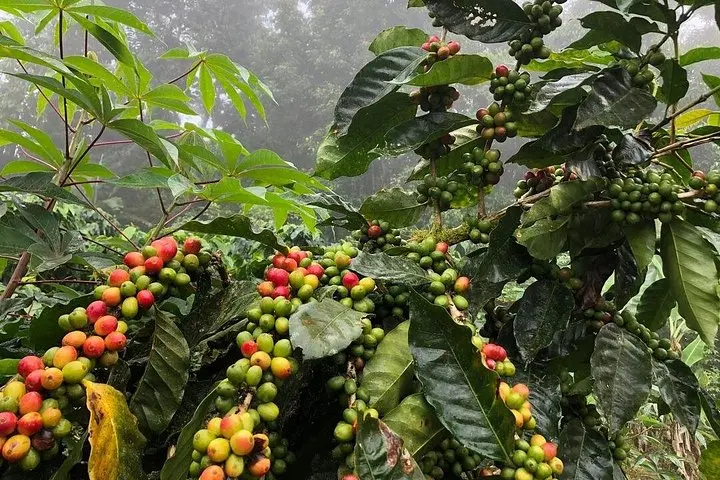
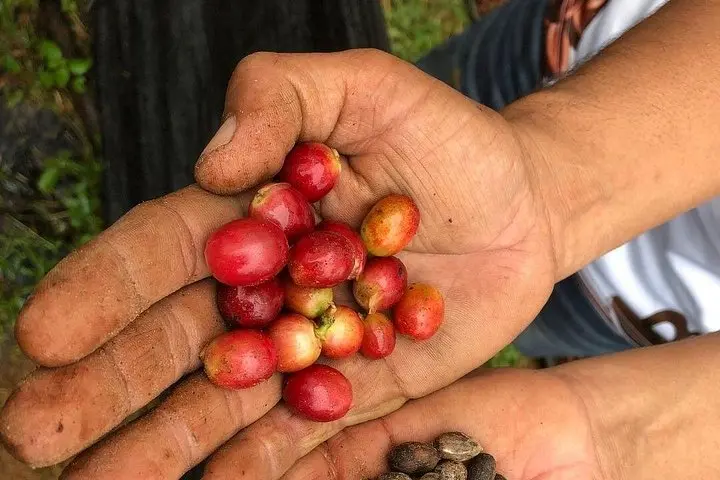
The tour is 3–4 hours and structured: plant biology, washing and drying demonstrations, a hulling session in the breeze, then roasting and a tasting finale. During harvest (November–March) guests may handle cherries; otherwise demonstrations are the focus. Practical notes: trails are short but uneven; bring closed-toe shoes, sun and rain protection, and a refillable water bottle. The family offers an authentic lunch at the 10:00 service and snacks for later tours; vegetarian options are available. Photography is welcome but ask before shooting close family moments. Purchasing beans directly supports the farm and keeps small-scale coffee production viable in the Uvita area.
Frequently asked questions
The tour lasts about 3–4 hours and covers plant biology, washing and drying demonstrations, hulling, roasting, a tasting, and either lunch (10:00) or snacks (14:00).
Yes during harvest season (typically November–March) guests may join in picking; outside harvest you'll observe hands-on processing and demonstrations instead.
Yes — the family offers a typical Costa Rican lunch and vegetarian options are available if requested during booking.
Transport is generally not included; tours meet at the Fallas family farm near Uvita, so plan private or local transport to the meeting point.
About This Experience
Centro de Información Uvita operates guided outdoor trips and adventures with an emphasis on safety, stewardship, and memorable experiences.
Adventure tips
Recommended gear
- Closed-toe hiking or trail shoes: Protects feet on uneven farm paths and during processing demonstrations.
- Light rain jacket: Useful year-round—especially during the rainy season for sudden downpours.
- Reusable water bottle: Keeps you hydrated and reduces single-use plastic at the farm.
- Sunscreen and a hat: Protects against strong sun exposure during outdoor portions of the tour.
Photos of the experience
Related adventures & guides
Read the full experience
You arrive by a narrow farm road and the air immediately changes — warm, sweet, and threaded with green. The Fallas family home sits low on a gentle slope above Uvita, coffee plants crowding the yard like old friends. Denier greets you in the dining room, then leads the group outside where the plants lean into the breeze as if nudging you toward the next step.
You arrive by a narrow farm road and the air immediately changes — warm, sweet, and threaded with green. The Fallas family home sits low on a gentle slope above Uvita, coffee plants crowding the yard like old friends. Denier greets you in the dining room, then leads the group outside where the plants lean into the breeze as if nudging you toward the next step.
This part of Costa Rica’s Southern Pacific coast moved into coffee production later than the Central Valley, but family farms here preserve traditional processing methods: hand-sorting, sun-drying patios, and small-batch roasting. Geology matters — volcanic soils on the coastal foothills lend the beans subtle acidity and a bright finish. Culturally, a visit is as much about hospitality as harvest; expect conversation about crop cycles, local markets, and the role coffee played in Costa Rica’s 19th–20th century export economy.
The tour is 3–4 hours and structured: plant biology, washing and drying demonstrations, a hulling session in the breeze, then roasting and a tasting finale. During harvest (November–March) guests may handle cherries; otherwise demonstrations are the focus. Practical notes: trails are short but uneven; bring closed-toe shoes, sun and rain protection, and a refillable water bottle. The family offers an authentic lunch at the 10:00 service and snacks for later tours; vegetarian options are available. Photography is welcome but ask before shooting close family moments. Purchasing beans directly supports the farm and keeps small-scale coffee production viable in the Uvita area.
Make a day of it nearby.
Verified experiences and guided adventures in the surrounding area.