THE ADVENTURE COLLECTIVE® · Independent discovery and booking for outdoor travel

A full-day escape from Morelia to Uruapan: visit Tingambato’s Teotihuacan-influenced ruins, wander the Cupatitzio springs and Rodilla del Diablo in Eduardo Ruiz National Park, then explore Uruapan’s narrow house and Huatápera. Practical, scenic, and rich in local flavor.
A full-day escape from Morelia to Uruapan: visit Tingambato’s Teotihuacan-influenced ruins, wander the Cupatitzio springs and Rodilla del Diablo in Eduardo Ruiz National Park, then explore Uruapan’s narrow house and Huatápera. Practical, scenic, and rich in local flavor.
The van eases out of Morelia before dawn and the road unfurls toward Uruapan—rolling hills give way to a green that feels denser with each kilometer. By mid-morning you’re stepping through Tingambato’s compact archaeological site, where stone platforms and alignments show clear Teotihuacan influence and the air carries the quiet of centuries.
Verified experiences and guided adventures in the surrounding area.
Operated by Mexitours · Uruapan, Michoacán
The van eases out of Morelia before dawn and the road unfurls toward Uruapan—rolling hills give way to a green that feels denser with each kilometer. By mid-morning you’re stepping through Tingambato’s compact archaeological site, where stone platforms and alignments show clear Teotihuacan influence and the air carries the quiet of centuries.
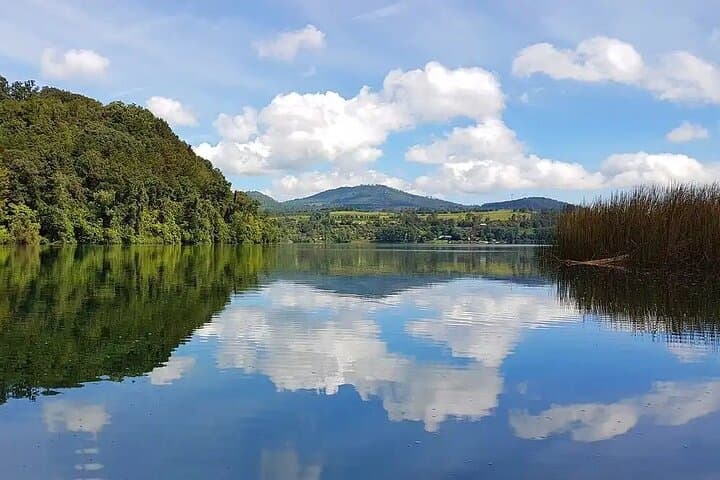
Later the landscape changes: water starts to insist itself. In Eduardo Ruiz National Park the Cupatitzio river springs from the Rodilla del Diablo, a place where the current seems to push the forest forward. Small cascades and stone fountains punctuate shaded trails; moss and ferns claim the rocks, and the sound of water escorts you along narrow footpaths.
Uruapan’s town center contrasts the wildness—streets ring with market stalls, avocado vendors (this is Mexico’s “avocado capital”), and the improbable narrow house listed by Guinness. The Huatápera (Hospital-Pueblo de Indios) offers colonial architecture and ceramic details that trace the city’s layered past between indigenous communities and Spanish-era institutions.
Practical guidance: this is a full-day excursion (about 9–10 hours) with round-trip transport and a guide included. Expect light walking over uneven ground and damp trails near the springs—good walking shoes are a must. Bring cash for food and crafts, a weatherproof layer for sudden mountain showers, and a refillable water bottle. Plan for a late-afternoon return to Morelia; the road crosses temperate microclimates, so pack a light jacket. The tour is an efficient way to combine archaeology, freshwater landscapes, and town culture into one accessible day outside Morelia.
easy.
9–10 hours.
Suitable for most fitness levels; requires light walking and short uneven trail sections.
Yes—round-trip transportation from the specified pickup point in Morelia is included with the tour.
The tour description includes a guide and round-trip transport; verify admission details with the operator as local site fees may vary.
No—there is free time in Uruapan to sample local cuisine, which is not included in the tour price.
Yes—this itinerary is rated easy and is suitable for most ages, but participants should be comfortable walking short distances on uneven surfaces.
Tingambato preserves plaza-and-platform layouts showing Teotihuacan-style urban planning; Uruapan later grew as a colonial town around indigenous markets and orchards.
The Cupatitzio springs feed local communities—stick to marked paths, avoid littering, and support guide-led tours that emphasize river protection and sustainable market purchases.
Mexitours operates guided outdoor trips and adventures with an emphasis on safety, stewardship, and memorable experiences.
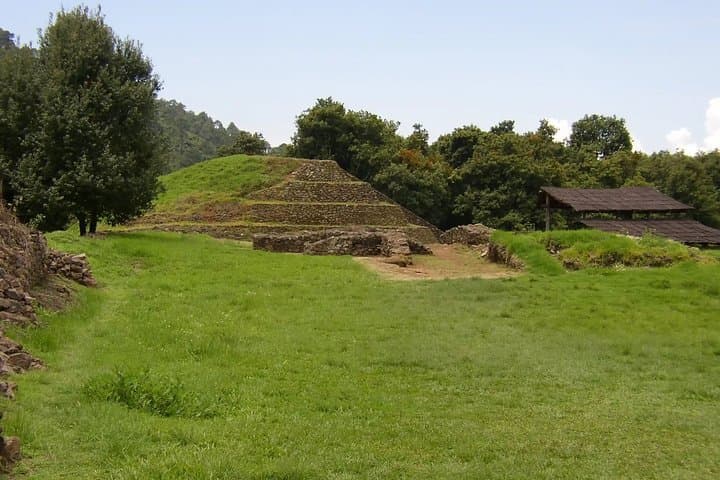
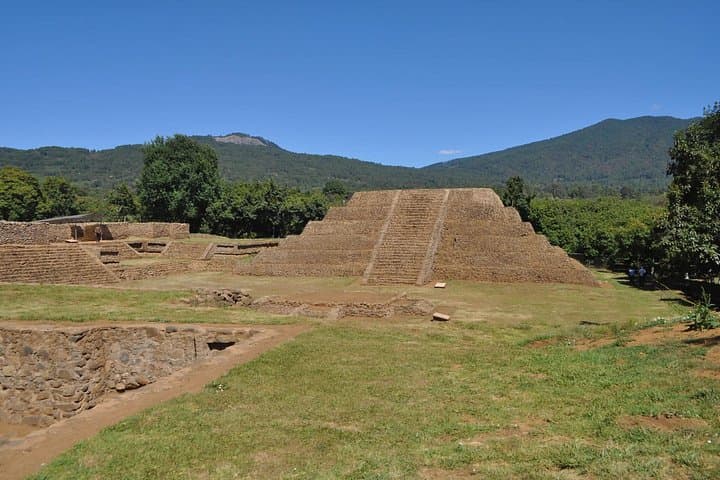
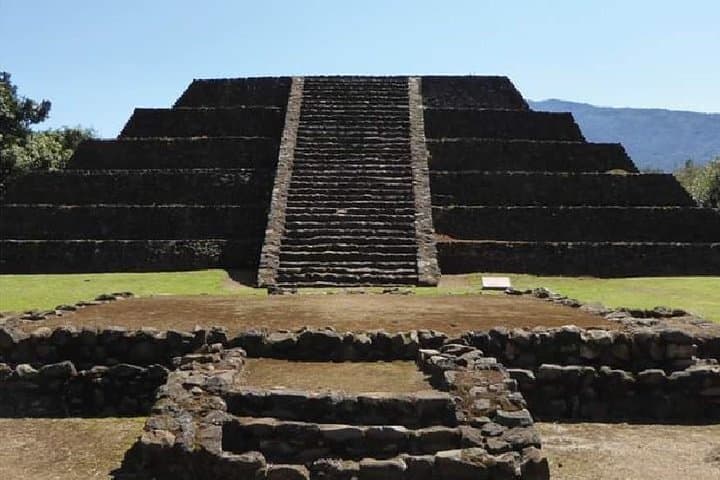
The van eases out of Morelia before dawn and the road unfurls toward Uruapan—rolling hills give way to a green that feels denser with each kilometer. By mid-morning you’re stepping through Tingambato’s compact archaeological site, where stone platforms and alignments show clear Teotihuacan influence and the air carries the quiet of centuries.
The van eases out of Morelia before dawn and the road unfurls toward Uruapan—rolling hills give way to a green that feels denser with each kilometer. By mid-morning you’re stepping through Tingambato’s compact archaeological site, where stone platforms and alignments show clear Teotihuacan influence and the air carries the quiet of centuries.
Later the landscape changes: water starts to insist itself. In Eduardo Ruiz National Park the Cupatitzio river springs from the Rodilla del Diablo, a place where the current seems to push the forest forward. Small cascades and stone fountains punctuate shaded trails; moss and ferns claim the rocks, and the sound of water escorts you along narrow footpaths.
Uruapan’s town center contrasts the wildness—streets ring with market stalls, avocado vendors (this is Mexico’s “avocado capital”), and the improbable narrow house listed by Guinness. The Huatápera (Hospital-Pueblo de Indios) offers colonial architecture and ceramic details that trace the city’s layered past between indigenous communities and Spanish-era institutions.
Practical guidance: this is a full-day excursion (about 9–10 hours) with round-trip transport and a guide included. Expect light walking over uneven ground and damp trails near the springs—good walking shoes are a must. Bring cash for food and crafts, a weatherproof layer for sudden mountain showers, and a refillable water bottle. Plan for a late-afternoon return to Morelia; the road crosses temperate microclimates, so pack a light jacket. The tour is an efficient way to combine archaeology, freshwater landscapes, and town culture into one accessible day outside Morelia.