THE ADVENTURE COLLECTIVE® · Independent discovery and booking for outdoor travel

Visit the living Uros islands on Lake Titicaca for a short cultural exchange and a ride on a traditional totora raft. This hour-long tour mixes hands-on reed craft, birdlife viewing and an up-close look at a unique high-altitude way of life.
Visit the living Uros islands on Lake Titicaca for a short cultural exchange and a ride on a traditional totora raft. This hour-long tour mixes hands-on reed craft, birdlife viewing and an up-close look at a unique high-altitude way of life.
The sun lifts off the high plains and throws a hard, silver light across Lake Titicaca; small reed islands bob like stitched patches on glass. You step from a wooden skiff onto a platform of bundled totora, the reed fibers springing beneath your boots as island life—children, dogs, and weaving looms—goes on in patient, open-air rhythm.
Verified experiences and guided adventures in the surrounding area.
Operated by Real Travel Peru · Puno, Puno
The sun lifts off the high plains and throws a hard, silver light across Lake Titicaca; small reed islands bob like stitched patches on glass. You step from a wooden skiff onto a platform of bundled totora, the reed fibers springing beneath your boots as island life—children, dogs, and weaving looms—goes on in patient, open-air rhythm.
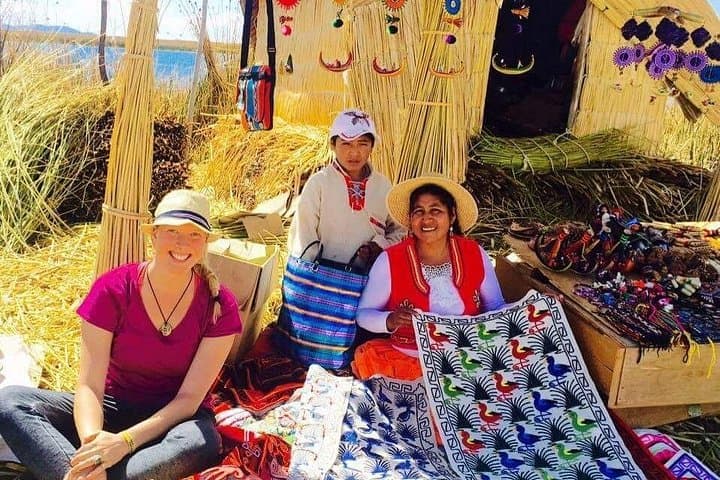
The Uros are a centuries-old adaptation: pre-Incan Uru people built buoyant islands from totora reed to live above the lake’s broad surface. Geology here is wide shallow basin and high-altitude wind; Titicaca’s calm expanses and seasonal reed growth make floating islands possible but fragile. Culture is front-and-center—families maintain houses, schools, and small craft economies, selling textiles and demonstrating reed-boat construction.
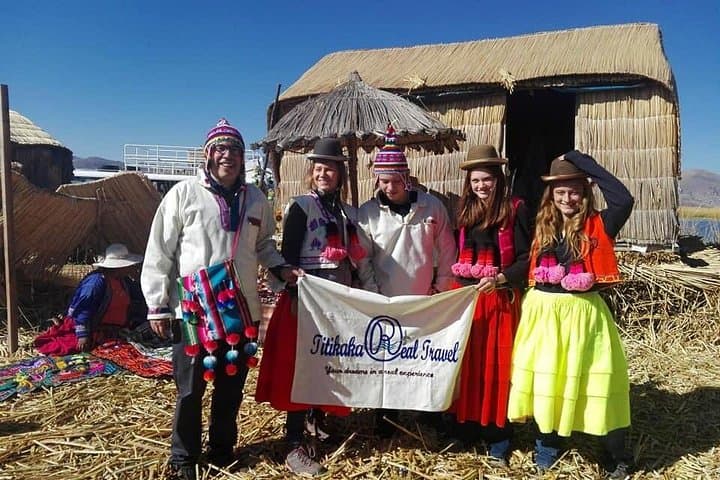
On most hour-long visits you’ll meet bilingual guides, tour a few crafted islands and take a short totora raft ride to a neighboring community. Expect close-up encounters with reed harvesting, local carpentry, and shorebird life; the islands can feel both intimate and thoroughly touristic, a living village sustained by visitors.
Practical edge: bring sun protection and layers—the lake radiates sun by day and freezes temperature by evening. Boats are small; physical demand is minimal but boats and boarding can be uneven. Respect photo requests and buy handicrafts directly if you want to support families. Plan morning slots for calmer water and softer light, and remember that reed islands shift and require ongoing maintenance—what you see is both traditional ingenuity and a community managing modern tourism.
easy.
1 hour.
Suitable for most fitness levels; requires basic mobility to board small boats and step onto flexible reed surfaces.
The scheduled visit is about 60 minutes on-site; total time can be longer depending on hotel pickup and transfer times from Puno.
Yes—this is an easy, low-impact visit, but boarding small boats and uneven island surfaces may require assistance for those with limited mobility.
Many local guides speak Spanish and English; confirm bilingual guides if you require specific language support.
Yes, families commonly sell textiles, small crafts and reed items—bring small bills in soles and avoid single-use plastics.
The Uru people built floating totora-islands centuries ago as a defensive and practical response to life on Titicaca; today many islands combine traditional practices with tourism income.
Tourism provides needed income but pressures reed beds and waste management; visitors should avoid leaving trash, buy locally, and support small family-run island operations.
Real Travel Peru operates guided outdoor trips and adventures with an emphasis on safety, stewardship, and memorable experiences.
The sun lifts off the high plains and throws a hard, silver light across Lake Titicaca; small reed islands bob like stitched patches on glass. You step from a wooden skiff onto a platform of bundled totora, the reed fibers springing beneath your boots as island life—children, dogs, and weaving looms—goes on in patient, open-air rhythm.
The sun lifts off the high plains and throws a hard, silver light across Lake Titicaca; small reed islands bob like stitched patches on glass. You step from a wooden skiff onto a platform of bundled totora, the reed fibers springing beneath your boots as island life—children, dogs, and weaving looms—goes on in patient, open-air rhythm.
The Uros are a centuries-old adaptation: pre-Incan Uru people built buoyant islands from totora reed to live above the lake’s broad surface. Geology here is wide shallow basin and high-altitude wind; Titicaca’s calm expanses and seasonal reed growth make floating islands possible but fragile. Culture is front-and-center—families maintain houses, schools, and small craft economies, selling textiles and demonstrating reed-boat construction.
On most hour-long visits you’ll meet bilingual guides, tour a few crafted islands and take a short totora raft ride to a neighboring community. Expect close-up encounters with reed harvesting, local carpentry, and shorebird life; the islands can feel both intimate and thoroughly touristic, a living village sustained by visitors.
Practical edge: bring sun protection and layers—the lake radiates sun by day and freezes temperature by evening. Boats are small; physical demand is minimal but boats and boarding can be uneven. Respect photo requests and buy handicrafts directly if you want to support families. Plan morning slots for calmer water and softer light, and remember that reed islands shift and require ongoing maintenance—what you see is both traditional ingenuity and a community managing modern tourism.