THE ADVENTURE COLLECTIVE® · Independent discovery and booking for outdoor travel

Board a private boat from Puno to visit the Uros reed islands and Taquile’s terraced shores on Lake Titicaca. This full-day tour combines a totora canoe ride, cultural exchanges and a trout lunch with sweeping highland views.
Board a private boat from Puno to visit the Uros reed islands and Taquile’s terraced shores on Lake Titicaca. This full-day tour combines a totora canoe ride, cultural exchanges and a trout lunch with sweeping highland views.
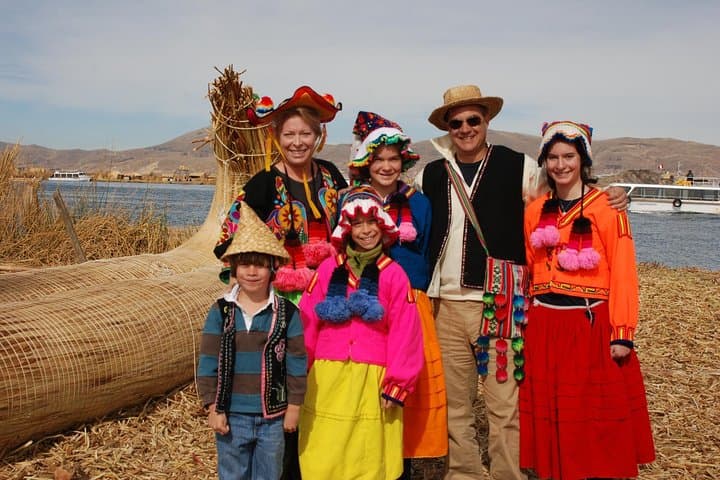
Morning light slices across Lake Titicaca as a private motorboat slips away from Puno’s concrete quay. The water takes on a slow, confident motion, daring you to slow down with it. Within an hour the shoreline dissolves into a horizon of low islands woven from totora reeds; the Uros appear less like land and more like living platforms that breathe with the wind.
Verified experiences and guided adventures in the surrounding area.
Operated by Cultural Immersion Travel Peru E.I.R.L. · Puno, Puno
Morning light slices across Lake Titicaca as a private motorboat slips away from Puno’s concrete quay. The water takes on a slow, confident motion, daring you to slow down with it. Within an hour the shoreline dissolves into a horizon of low islands woven from totora reeds; the Uros appear less like land and more like living platforms that breathe with the wind.
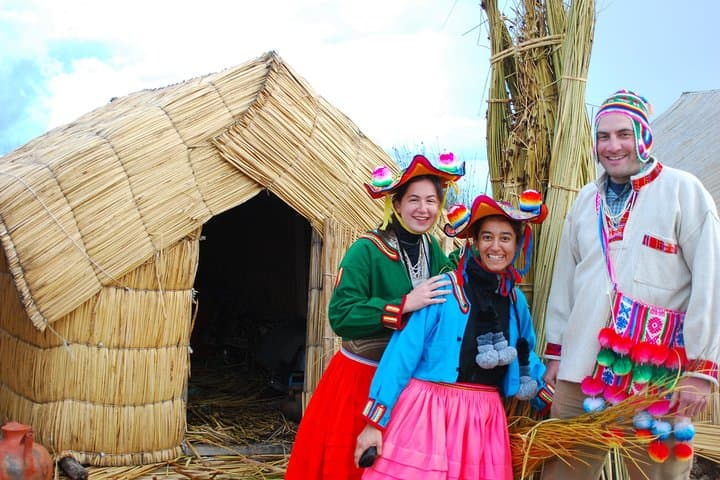
The Uros are older than the republic that now governs them — reed communities built and maintained by indigenous families who adapted to a high-altitude lake environment. Totora reed is both home and craft: canoes, roofs and even temporary floors are harvested and renewed each season. Taquile Island, by contrast, rises from the water with stone terraces and a textile tradition recognized for its fine knitting and community-managed tourism.
Geologically, Titicaca sits on the Andean Altiplano at about 3,810 m (12,500 ft), a broad basin that shapes weather and culture. Expect bright sun, sharp wind and air that feels thinner with each steep stair on Taquile’s trails. The day includes a reed canoe ride around Uros, a two-hour boat crossing, a riverside trout lunch on Taquile and a short island hike to viewpoints.
Practical edge: dress in layers, bring sun protection and sip water slowly to acclimatize. Carry small Peruvian soles for crafts and toilet fees; restrooms are basic. Guides translate not only language but history — they’ll explain reed maintenance and Taquile’s communal weaving system. The trip balances calm lake horizons with hands-on cultural exchanges: it’s as much about people as it is about place.
easy.
6–8 hours.
Suitable for casual walkers; short hikes on uneven stone steps on Taquile require basic mobility and steady balance.
Boat transfers vary by itinerary; expect about 30–60 minutes to Uros and roughly 1.5–2 hours crossing to Taquile depending on weather and stops.
Lake Titicaca sits near 3,810 m (12,500 ft). Mild symptoms are common—ascend gradually, hydrate, rest and consult a physician if you have severe conditions.
Lunch (fresh trout on Taquile) and local taxes are included per this tour; bring extra cash for artisan purchases and optional fees.
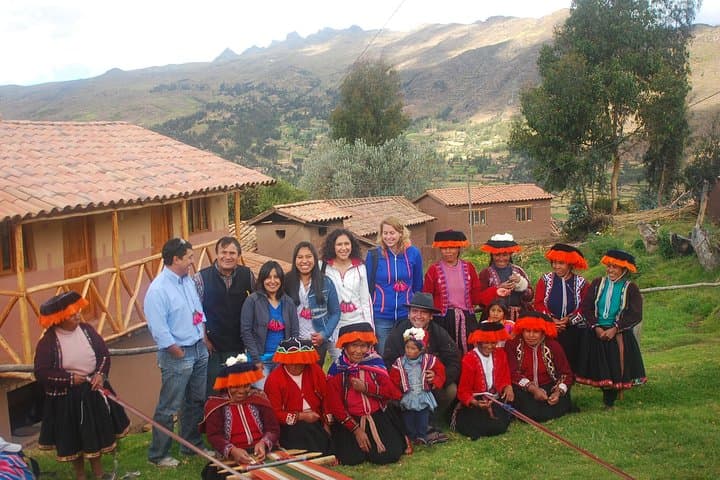
Yes—visits include time with Uros families and Taquile communities; follow local guidance, ask before photographing and consider buying local crafts to support the community.
Uros predate the Inca and constructed floating reed islands to remain independent of mainland conflicts; Taquile retains communal land tenure and a knitting tradition woven into daily life.
Totora harvesting and tourism are managed locally—sustainable visits help fund reeds' rotation and community services; avoid leaving waste and support authorized guides.
Cultural Immersion Travel Peru E.I.R.L. operates guided outdoor trips and adventures with an emphasis on safety, stewardship, and memorable experiences.

Morning light slices across Lake Titicaca as a private motorboat slips away from Puno’s concrete quay. The water takes on a slow, confident motion, daring you to slow down with it. Within an hour the shoreline dissolves into a horizon of low islands woven from totora reeds; the Uros appear less like land and more like living platforms that breathe with the wind.
Morning light slices across Lake Titicaca as a private motorboat slips away from Puno’s concrete quay. The water takes on a slow, confident motion, daring you to slow down with it. Within an hour the shoreline dissolves into a horizon of low islands woven from totora reeds; the Uros appear less like land and more like living platforms that breathe with the wind.
The Uros are older than the republic that now governs them — reed communities built and maintained by indigenous families who adapted to a high-altitude lake environment. Totora reed is both home and craft: canoes, roofs and even temporary floors are harvested and renewed each season. Taquile Island, by contrast, rises from the water with stone terraces and a textile tradition recognized for its fine knitting and community-managed tourism.
Geologically, Titicaca sits on the Andean Altiplano at about 3,810 m (12,500 ft), a broad basin that shapes weather and culture. Expect bright sun, sharp wind and air that feels thinner with each steep stair on Taquile’s trails. The day includes a reed canoe ride around Uros, a two-hour boat crossing, a riverside trout lunch on Taquile and a short island hike to viewpoints.
Practical edge: dress in layers, bring sun protection and sip water slowly to acclimatize. Carry small Peruvian soles for crafts and toilet fees; restrooms are basic. Guides translate not only language but history — they’ll explain reed maintenance and Taquile’s communal weaving system. The trip balances calm lake horizons with hands-on cultural exchanges: it’s as much about people as it is about place.