THE ADVENTURE COLLECTIVE® · Independent discovery and booking for outdoor travel

Step onto living islands of totora reed on Lake Titicaca and meet the Uros communities who maintain them. This short boat tour from Puno blends cultural insight, hands-on reed craft, and an optional totora raft ride.
Step onto living islands of totora reed on Lake Titicaca and meet the Uros communities who maintain them. This short boat tour from Puno blends cultural insight, hands-on reed craft, and an optional totora raft ride.
The morning mist lifts off Lake Titicaca and the boat cuts through glass-cold water, carrying you toward a cluster of low, reed-built platforms that seem to float with intention. Wind tugs at the edges of the islands and the totora reeds creak as if greeting every new footstep — an immediate reminder that these are living structures, rebuilt and braided by hand.
Verified experiences and guided adventures in the surrounding area.
Operated by Real Travel Peru · Puno, Puno
The morning mist lifts off Lake Titicaca and the boat cuts through glass-cold water, carrying you toward a cluster of low, reed-built platforms that seem to float with intention. Wind tugs at the edges of the islands and the totora reeds creak as if greeting every new footstep — an immediate reminder that these are living structures, rebuilt and braided by hand.
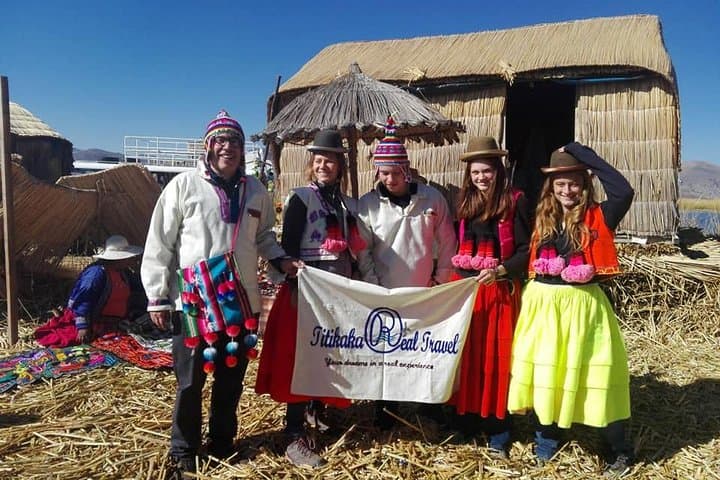
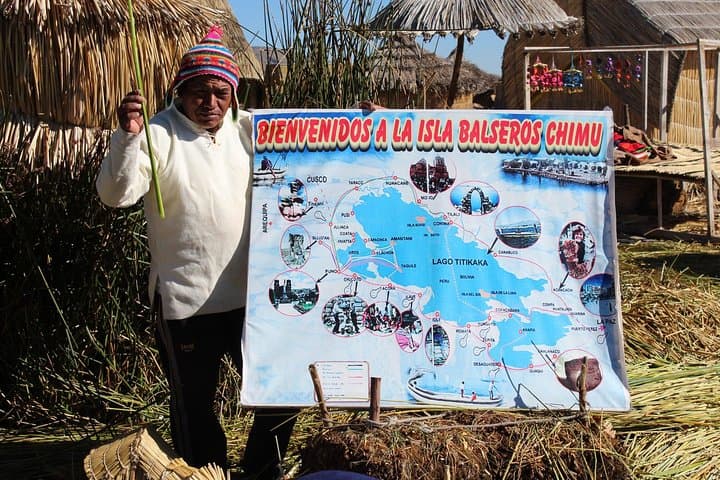
The Uros are an ancient people who predate the Inca, constructing buoyant islands from totora reeds that grow in the shallows of South America's highest navigable lake. Geologically, Titicaca sits in a high Andean basin at roughly 3,812 meters, a freshwater expanse shaped by tectonics and glacial history. On the islands you’ll meet families whose daily life mixes craftwork, reed-harvesting, and guided storytelling for visitors.
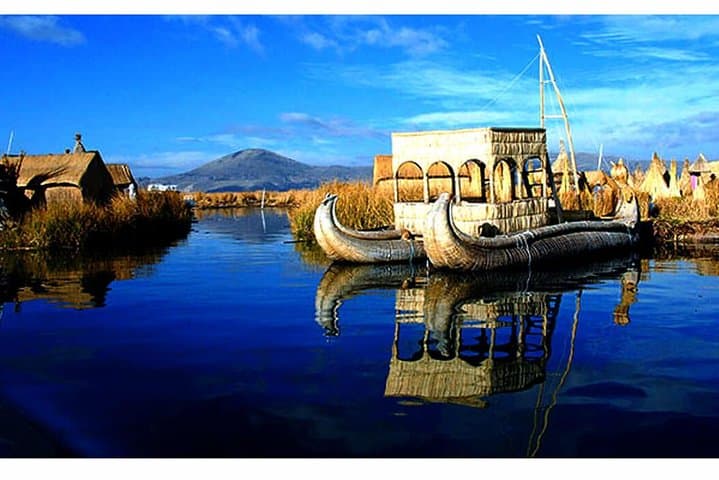
Expect compact, uneven walking surfaces and close-up views of reed houses, handcrafted boats, and local markets. Optional totora raft rides (small additional fee) offer a playful, lurching perspective as the reed bundles dip and bob. The tour lasts about three hours from Puno, with short boat transfers and time for photos, questions, and small purchases.
Practical essentials: plan for high-altitude sun and cold winds, carry small bills for crafts and the optional raft, and allow a gentle pace — island walking is stable but spongy. Respect private family spaces, ask before photographing people, and be ready for quick shifts in weather. This is less a rugged trek and more a cultural-water experience where the landscape and the community both invite your attention.
moderate.
2–3 hours.
Light aerobic fitness; able to embark/disembark small boats and walk on uneven, springy reed surfaces.
Boat transfers are typically 20–40 minutes each way depending on launch point and weather, with the full excursion lasting about three hours.
Yes; the totora raft ride is optional, often costs around 10 soles, and requires stable footing—children and those with mobility limits should assess carefully.
Access involves small boat boarding and walking on uneven reed islands, so it’s not ideal for travelers with major mobility restrictions.
You should ask permission before photographing people or private spaces; many hosts are used to visitors but appreciate respectful requests.
The Uros people constructed floating totora islands centuries ago as a defensive and subsistence strategy predating the Inca; islands require ongoing maintenance and periodic rebuilding.
Totora harvesting and tourism provide income but also pressure on reed beds; support responsible guides and avoid littering or removing reeds.
Real Travel Peru operates guided outdoor trips and adventures with an emphasis on safety, stewardship, and memorable experiences.
The morning mist lifts off Lake Titicaca and the boat cuts through glass-cold water, carrying you toward a cluster of low, reed-built platforms that seem to float with intention. Wind tugs at the edges of the islands and the totora reeds creak as if greeting every new footstep — an immediate reminder that these are living structures, rebuilt and braided by hand.
The morning mist lifts off Lake Titicaca and the boat cuts through glass-cold water, carrying you toward a cluster of low, reed-built platforms that seem to float with intention. Wind tugs at the edges of the islands and the totora reeds creak as if greeting every new footstep — an immediate reminder that these are living structures, rebuilt and braided by hand.
The Uros are an ancient people who predate the Inca, constructing buoyant islands from totora reeds that grow in the shallows of South America's highest navigable lake. Geologically, Titicaca sits in a high Andean basin at roughly 3,812 meters, a freshwater expanse shaped by tectonics and glacial history. On the islands you’ll meet families whose daily life mixes craftwork, reed-harvesting, and guided storytelling for visitors.
Expect compact, uneven walking surfaces and close-up views of reed houses, handcrafted boats, and local markets. Optional totora raft rides (small additional fee) offer a playful, lurching perspective as the reed bundles dip and bob. The tour lasts about three hours from Puno, with short boat transfers and time for photos, questions, and small purchases.
Practical essentials: plan for high-altitude sun and cold winds, carry small bills for crafts and the optional raft, and allow a gentle pace — island walking is stable but spongy. Respect private family spaces, ask before photographing people, and be ready for quick shifts in weather. This is less a rugged trek and more a cultural-water experience where the landscape and the community both invite your attention.