THE ADVENTURE COLLECTIVE® · Independent discovery and booking for outdoor travel

Turn a walk in Urca into a puzzle-led exploration of Rio’s waterfront—follow app hints to museums, Mureta da Urca and Praia Vermelha while solving clues and photo tasks at your own pace.
Turn a walk in Urca into a puzzle-led exploration of Rio’s waterfront—follow app hints to museums, Mureta da Urca and Praia Vermelha while solving clues and photo tasks at your own pace.
A morning in Urca begins with salt on the air and the city’s granite faces catching light—walkers thread the narrow streets below Sugarloaf, phones in hand, following clues that nudge them toward the Mureta da Urca and small, shuttered fishermen’s houses. The scavenger hunt transforms ordinary sightseeing into a paced investigation: solve a riddle, snap a photo, and move on to the next hidden detail.
Verified experiences and guided adventures in the surrounding area.
Operated by Explorial · Rio de Janeiro, Rio de Janeiro
A morning in Urca begins with salt on the air and the city’s granite faces catching light—walkers thread the narrow streets below Sugarloaf, phones in hand, following clues that nudge them toward the Mureta da Urca and small, shuttered fishermen’s houses. The scavenger hunt transforms ordinary sightseeing into a paced investigation: solve a riddle, snap a photo, and move on to the next hidden detail.
Urca grew as a compact port neighborhood in the 19th century; its streets still reflect that working-class maritime past. Geologically, the area is dominated by the same Precambrian granite that forms Pão de Açúcar, a steep, tough rock that rises abruptly from Guanabara Bay and shapes the shorelines and viewpoints you’ll visit. Culturally, Urca mixes local cafes and weekend cyclists with small museums such as the Museu de Ciências da Terra and informal music spilling from doorways.
Practical guidance is straightforward: this is a self-guided, app-based walking game appropriate for most fitness levels and families. Expect 1–2 hours of walking on paved streets and short stair sections, with plenty of stops for reading signs and taking creative photos. Bring a fully charged phone and a power bank, wear grippy walking shoes, and plan around midday heat—the Atlantic breeze will push you toward shade but sunscreen is still essential. Public transport and taxis serve the neighborhood, and the activity allows flexible pacing, so teams can linger at viewpoints or accelerate through the clues. The app provides hints in English, Spanish and Portuguese, and you’ll receive an access code by email to start at the designated meeting point.
easy.
1–2 hours.
Suitable for low to moderate fitness; requires steady walking and some stair negotiation
The experience averages 1–2 hours but is self-paced; you can pause, linger at sights, or finish faster depending on pace.
The app and clues are available in English, Spanish and Portuguese.
You’ll receive an access code by email—use the app to start; a mobile ticket is sufficient.
Many streets are paved, but there are cobblestones and short stair sections; accessibility is limited—contact the operator for specific assistance.
Urca developed as a small port and residential quarter in the 19th century; its compact layout preserves much of the neighborhood’s maritime character.
Guanabara Bay and adjacent parks face urban pressures—respect signage, stay on paths, and avoid littering to protect fragile coastal habitats.
Explorial operates guided outdoor trips and adventures with an emphasis on safety, stewardship, and memorable experiences.

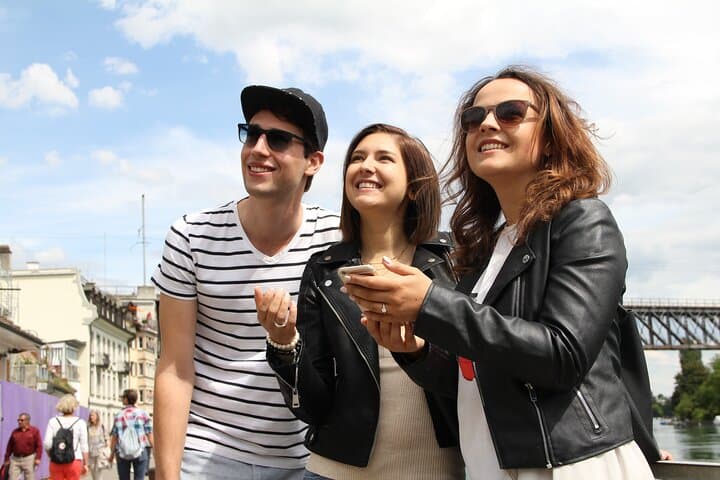
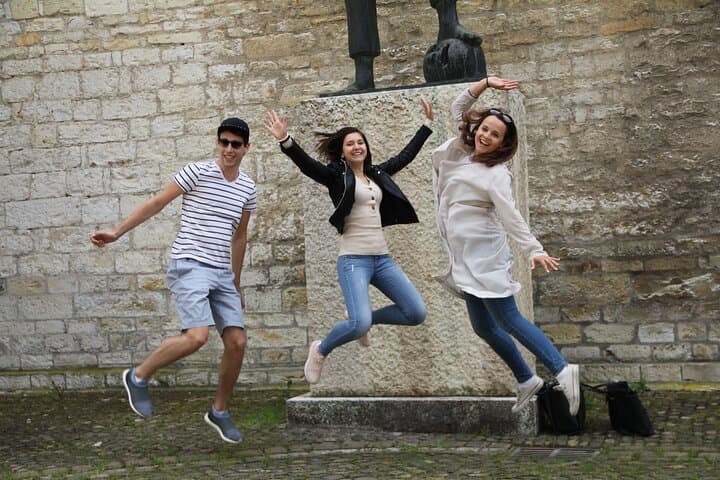
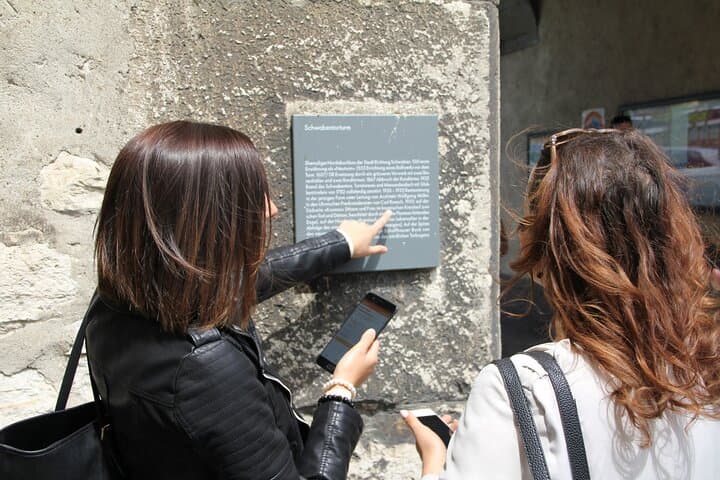
A morning in Urca begins with salt on the air and the city’s granite faces catching light—walkers thread the narrow streets below Sugarloaf, phones in hand, following clues that nudge them toward the Mureta da Urca and small, shuttered fishermen’s houses. The scavenger hunt transforms ordinary sightseeing into a paced investigation: solve a riddle, snap a photo, and move on to the next hidden detail.
A morning in Urca begins with salt on the air and the city’s granite faces catching light—walkers thread the narrow streets below Sugarloaf, phones in hand, following clues that nudge them toward the Mureta da Urca and small, shuttered fishermen’s houses. The scavenger hunt transforms ordinary sightseeing into a paced investigation: solve a riddle, snap a photo, and move on to the next hidden detail.
Urca grew as a compact port neighborhood in the 19th century; its streets still reflect that working-class maritime past. Geologically, the area is dominated by the same Precambrian granite that forms Pão de Açúcar, a steep, tough rock that rises abruptly from Guanabara Bay and shapes the shorelines and viewpoints you’ll visit. Culturally, Urca mixes local cafes and weekend cyclists with small museums such as the Museu de Ciências da Terra and informal music spilling from doorways.
Practical guidance is straightforward: this is a self-guided, app-based walking game appropriate for most fitness levels and families. Expect 1–2 hours of walking on paved streets and short stair sections, with plenty of stops for reading signs and taking creative photos. Bring a fully charged phone and a power bank, wear grippy walking shoes, and plan around midday heat—the Atlantic breeze will push you toward shade but sunscreen is still essential. Public transport and taxis serve the neighborhood, and the activity allows flexible pacing, so teams can linger at viewpoints or accelerate through the clues. The app provides hints in English, Spanish and Portuguese, and you’ll receive an access code by email to start at the designated meeting point.