THE ADVENTURE COLLECTIVE® · Independent discovery and booking for outdoor travel

Explore one of San José’s last urban forest patches with local biologists. This 2.5-hour walking tour on the University of Costa Rica campus focuses on sloths, birds, edible plants and city ecology—ideal for travelers who want authentic wildlife without leaving the city.
Explore one of San José’s last urban forest patches with local biologists. This 2.5-hour walking tour on the University of Costa Rica campus focuses on sloths, birds, edible plants and city ecology—ideal for travelers who want authentic wildlife without leaving the city.
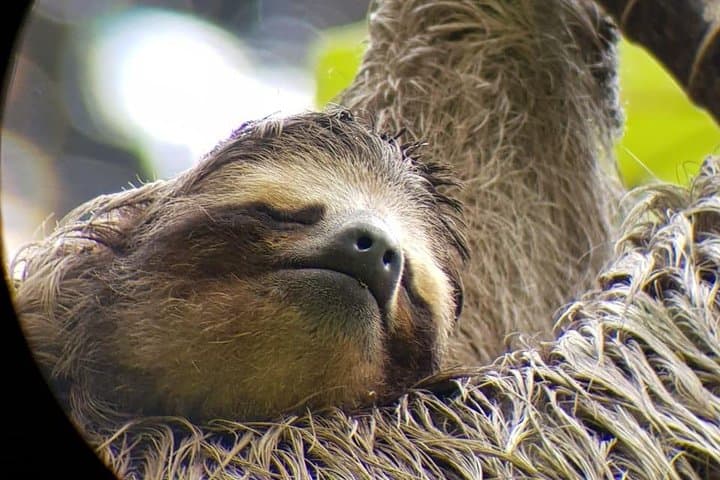
A shaded path threads between academic buildings and stands of mature trees on the University of Costa Rica campus, and within minutes the city sounds soften to a chorus of bird calls. Guided by young biologists, you walk slowly—eyes lifted for a sleeping sloth, ears tuned for a rapid flick of wings—and the urban pulse gives way to concentrated nature.
Verified experiences and guided adventures in the surrounding area.
Operated by Oropopo Experience · San José, San José
A shaded path threads between academic buildings and stands of mature trees on the University of Costa Rica campus, and within minutes the city sounds soften to a chorus of bird calls. Guided by young biologists, you walk slowly—eyes lifted for a sleeping sloth, ears tuned for a rapid flick of wings—and the urban pulse gives way to concentrated nature.
The campus preserves some of the largest forest patches inside the San José metro area, remnant green from a landscape shaped by volcanic soils and tropical climate. The guides weave natural history with local culture: how indigenous plant names survive in neighborhood markets, how migratory birds use city trees as stopovers, and why conservation efforts here matter for greater Central America.
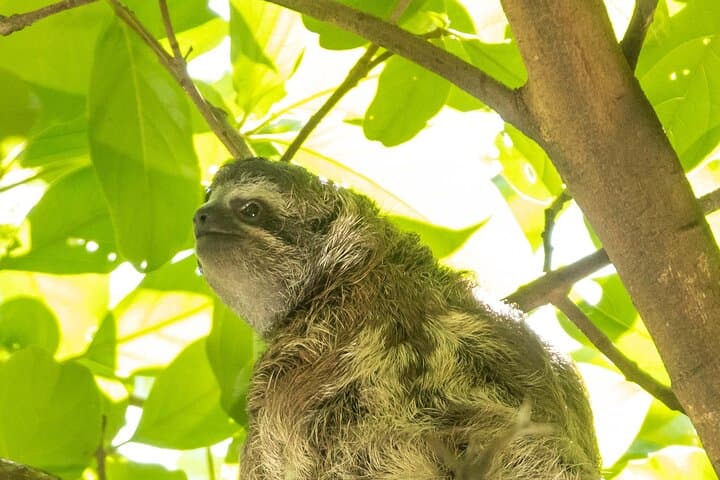
Expect a sensory tour: scent of wet soil and flowers, textured bark to touch, and the measured, almost comical gait of two-toed and three-toed sloths when they're visible. This is not a rescue center—wildlife remains wild—so sightings are authentic and often quiet.
Practicalities are straightforward. The walk lasts about 2.5 hours on mostly flat, well-trodden paths with intermittent sun exposure; bring water, sun protection, and light rain gear during the wet season. Small groups (max 10) mean instruction and identification are intimate; binoculars are available but personal optics speed up sightings. Morning slots are best May–November to avoid afternoon rains. Whether you’re a birdwatcher or a traveler craving a green interlude, the tour offers a compact, accessible encounter with Costa Rican urban nature.
easy.
2–3 hours.
Suitable for most fitness levels; mainly flat walking with short sun-exposed sections
No—sloths are wild and often sleep in canopy; guides know hotspots but sightings depend on animal movement and season.
Tours typically meet at or near the University of Costa Rica campus in San Pedro; confirmation email provides exact meeting point and directions.
Yes; the walk is easy and short with frequent stops—suitable for families and most fitness levels, though strollers may be difficult on some paths.
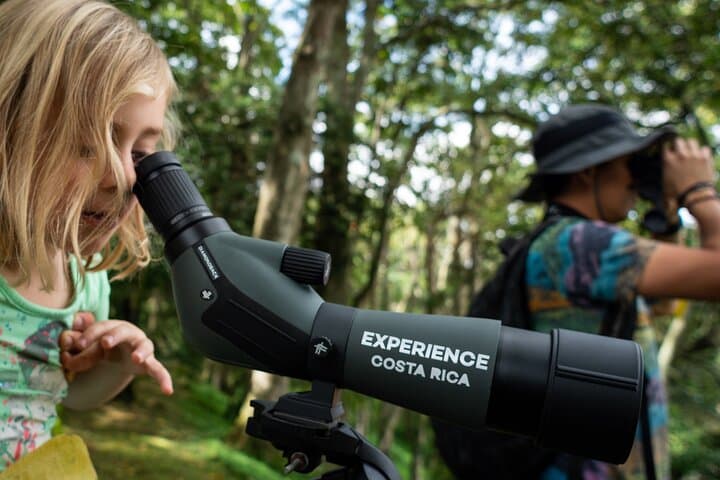
Guides bring telescopes/binoculars, but bringing compact personal optics speeds up and personalizes viewing.
The University of Costa Rica campus was established on volcanic-derived soils and protected over decades, preserving patches of native forest within an expanding city.
The tour supports local conservation and research; a portion of proceeds funds Funga Conservation and helps maintain urban forest patches vital for biodiversity.
Oropopo Experience operates guided outdoor trips and adventures with an emphasis on safety, stewardship, and memorable experiences.

A shaded path threads between academic buildings and stands of mature trees on the University of Costa Rica campus, and within minutes the city sounds soften to a chorus of bird calls. Guided by young biologists, you walk slowly—eyes lifted for a sleeping sloth, ears tuned for a rapid flick of wings—and the urban pulse gives way to concentrated nature.
A shaded path threads between academic buildings and stands of mature trees on the University of Costa Rica campus, and within minutes the city sounds soften to a chorus of bird calls. Guided by young biologists, you walk slowly—eyes lifted for a sleeping sloth, ears tuned for a rapid flick of wings—and the urban pulse gives way to concentrated nature.
The campus preserves some of the largest forest patches inside the San José metro area, remnant green from a landscape shaped by volcanic soils and tropical climate. The guides weave natural history with local culture: how indigenous plant names survive in neighborhood markets, how migratory birds use city trees as stopovers, and why conservation efforts here matter for greater Central America.
Expect a sensory tour: scent of wet soil and flowers, textured bark to touch, and the measured, almost comical gait of two-toed and three-toed sloths when they're visible. This is not a rescue center—wildlife remains wild—so sightings are authentic and often quiet.
Practicalities are straightforward. The walk lasts about 2.5 hours on mostly flat, well-trodden paths with intermittent sun exposure; bring water, sun protection, and light rain gear during the wet season. Small groups (max 10) mean instruction and identification are intimate; binoculars are available but personal optics speed up sightings. Morning slots are best May–November to avoid afternoon rains. Whether you’re a birdwatcher or a traveler craving a green interlude, the tour offers a compact, accessible encounter with Costa Rican urban nature.