THE ADVENTURE COLLECTIVE® · Independent discovery and booking for outdoor travel

Walk 8 km through Rome’s Parco degli Acquedotti and Tor Fiscale with a local guide. This urban hike blends neighborhood flavor with Roman aqueducts and easy, varied terrain—ideal for curious walkers who want history and open-air scenery.
Walk 8 km through Rome’s Parco degli Acquedotti and Tor Fiscale with a local guide. This urban hike blends neighborhood flavor with Roman aqueducts and easy, varied terrain—ideal for curious walkers who want history and open-air scenery.
The city hums behind you as the trail opens: broken stones of ancient aqueducts rise like ribs against a wide sky, and the air carries the mix of espresso and cut grass from nearby Pigneto. On this 8-kilometre walk, the group moves with steady, local pace—past morning markets, through avenues that give way to broad lawns where arches cast long, cool shadows.
Verified experiences and guided adventures in the surrounding area.
Operated by Salvatore Benintende · Rome, Lazio
The city hums behind you as the trail opens: broken stones of ancient aqueducts rise like ribs against a wide sky, and the air carries the mix of espresso and cut grass from nearby Pigneto. On this 8-kilometre walk, the group moves with steady, local pace—past morning markets, through avenues that give way to broad lawns where arches cast long, cool shadows.
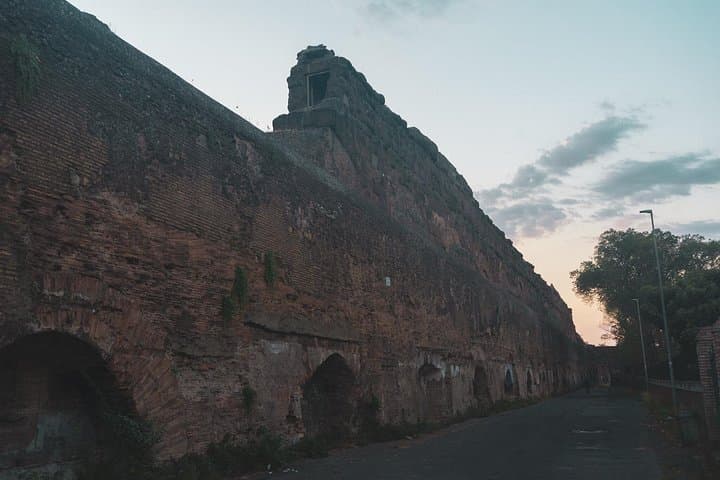
The route traces history in stone. The route follows sections of the Acquedotto Felice and runs alongside older Roman masonry; Tor Fiscale’s medieval tower watches over stretches where aqueduct channels once pushed water into the city. Geologically, the park sits on the volcanic soils of the Roman plain, where tufa and pozzolana were quarried for building; those materials are visible in the texture of fallen blocks and standing arches. Culturally, this is Rome away from the tourist loop—Pigneto offers working cafés and neighborhood markets that show contemporary urban life.
Expect varied terrain: paved streets, compact dirt paths, grass fields, and uneven stones with modest elevation changes. A guide will point out sights such as Porta Furba and the fountain linked to the Felice aqueduct while sharing practical routes and shortcuts back to transit.
Plan for three hours on foot, bring water and sun protection in summer, and wear shoes with good grip—sections can be slippery after rain. Mornings are cooler and less crowded; late afternoons offer long light for photography. Respect archaeological features: avoid climbing on arches and pack out all trash. This walk balances archaeology, neighborhood culture, and open-air green space—an urban hike where Rome’s history keeps pace with modern life.
moderate.
3 hours.
Participants should have a moderate level of fitness—able to hike 8 km over uneven ground without difficulty.
The walk typically starts in the Pigneto neighborhood and finishes near the Parco degli Acquedotti/Tor Fiscale area; guides confirm exact meeting points on booking.
Children who can walk 8 km on uneven surfaces will do fine; the route is not stroller-friendly because of cobbles and narrow dirt paths.
No paid admissions are required for this walk—sites are viewed from public paths and the guide provides historical context.
Full refunds are available if you cancel at least 24 hours before departure; check your booking confirmation for details.
The route follows parts of the Acquedotto Felice (late 16th century) and crosses older Roman masonry; Tor Fiscale preserves medieval additions to the aqueduct landscape.
This is a protected archaeological landscape—stay on paths, don’t climb the arches, and carry out waste; local groups monitor erosion and visitor impact.
Salvatore Benintende operates guided outdoor trips and adventures with an emphasis on safety, stewardship, and memorable experiences.
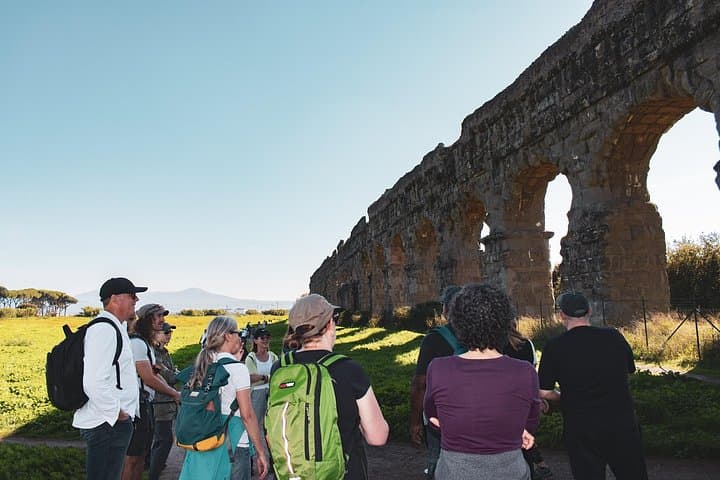
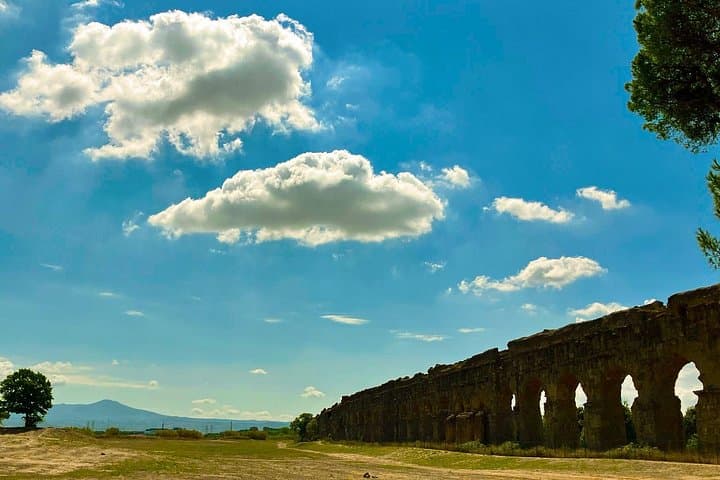
The city hums behind you as the trail opens: broken stones of ancient aqueducts rise like ribs against a wide sky, and the air carries the mix of espresso and cut grass from nearby Pigneto. On this 8-kilometre walk, the group moves with steady, local pace—past morning markets, through avenues that give way to broad lawns where arches cast long, cool shadows.
The city hums behind you as the trail opens: broken stones of ancient aqueducts rise like ribs against a wide sky, and the air carries the mix of espresso and cut grass from nearby Pigneto. On this 8-kilometre walk, the group moves with steady, local pace—past morning markets, through avenues that give way to broad lawns where arches cast long, cool shadows.
The route traces history in stone. The route follows sections of the Acquedotto Felice and runs alongside older Roman masonry; Tor Fiscale’s medieval tower watches over stretches where aqueduct channels once pushed water into the city. Geologically, the park sits on the volcanic soils of the Roman plain, where tufa and pozzolana were quarried for building; those materials are visible in the texture of fallen blocks and standing arches. Culturally, this is Rome away from the tourist loop—Pigneto offers working cafés and neighborhood markets that show contemporary urban life.
Expect varied terrain: paved streets, compact dirt paths, grass fields, and uneven stones with modest elevation changes. A guide will point out sights such as Porta Furba and the fountain linked to the Felice aqueduct while sharing practical routes and shortcuts back to transit.
Plan for three hours on foot, bring water and sun protection in summer, and wear shoes with good grip—sections can be slippery after rain. Mornings are cooler and less crowded; late afternoons offer long light for photography. Respect archaeological features: avoid climbing on arches and pack out all trash. This walk balances archaeology, neighborhood culture, and open-air green space—an urban hike where Rome’s history keeps pace with modern life.