THE ADVENTURE COLLECTIVE® · Independent discovery and booking for outdoor travel

Explore the Hermann-Grima House with a guide who reframes the French Quarter through the lives of urban enslaved people. This focused hour reveals how architecture, labor, and law shaped daily life in 19th-century New Orleans.
Explore the Hermann-Grima House with a guide who reframes the French Quarter through the lives of urban enslaved people. This focused hour reveals how architecture, labor, and law shaped daily life in 19th-century New Orleans.
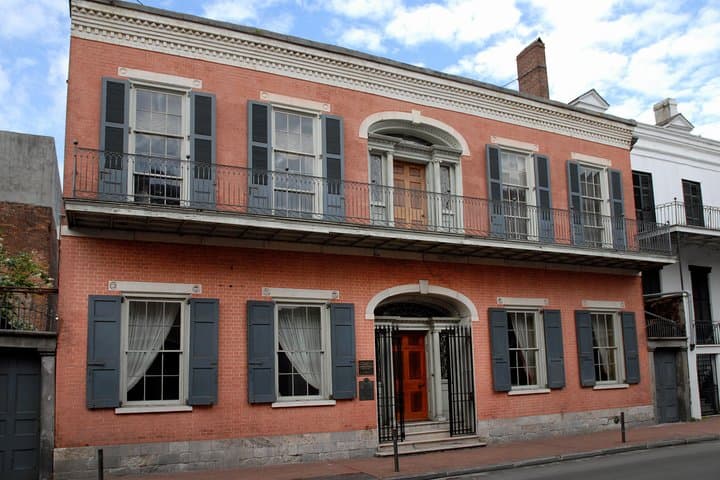
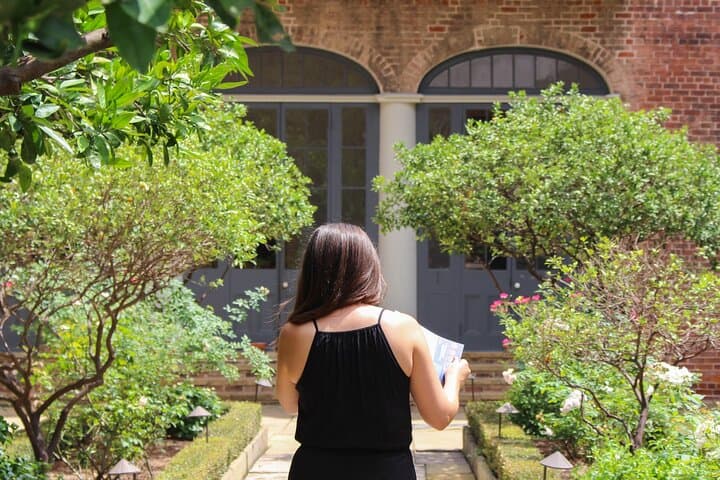
Step through the carriage courtyard and the city quiet folds around the house: shutters click in the heat, the narrow St. Louis Street hums a block away, and an 1831 façade holds stories most visitors miss. The Urban Enslavement Tour at Hermann-Grima House centers the people who lived and worked within these brick walls — not as background, but as active makers of New Orleans’ urban fabric.
Verified experiences and guided adventures in the surrounding area.
Operated by Hermann-Grima House · New Orleans, Louisiana
Step through the carriage courtyard and the city quiet folds around the house: shutters click in the heat, the narrow St. Louis Street hums a block away, and an 1831 façade holds stories most visitors miss. The Urban Enslavement Tour at Hermann-Grima House centers the people who lived and worked within these brick walls — not as background, but as active makers of New Orleans’ urban fabric.
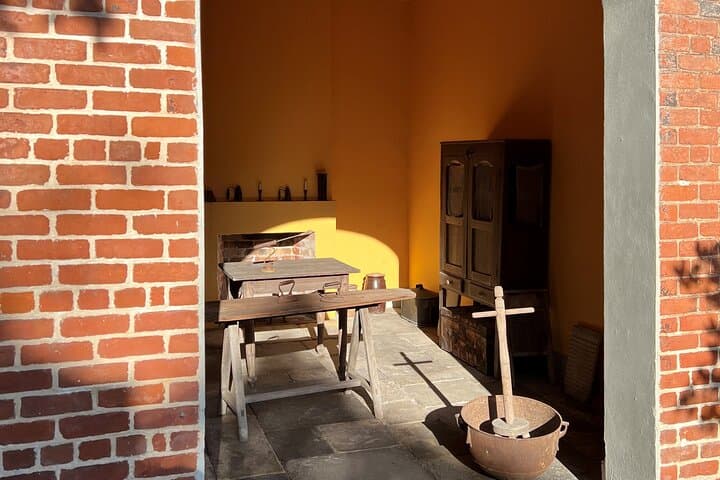
The house’s Federalist façade and intact open-hearth kitchen are tangible links to a past when slavery operated differently in town than on distant plantations. Urban enslaved people had varied roles — household work, skilled trades, and commerce — and this tour traces those daily realities alongside the architectural features that shaped them: compact quarters, hidden service passages, and a courtyard that regulated visibility and labor.
Beyond architecture, the tour situates this property within 19th-century New Orleans: a port city of trade, creole culture, and layered legal regimes that affected freedom, family, and work. The carriage house’s Exchange Shop connects to women-led civic life after emancipation, offering another layer of social history.
Practical notes: the guided hour moves at a measured pace through narrow rooms and the courtyard; photography policies may limit flash and interiors. Wear comfortable shoes, plan for humidity, and allow time after the tour to explore nearby French Quarter sites that extend this history. The experience is both intimate and instructive — a guided hour that reshapes how you see a familiar street by centering the often overlooked labor and lives that built it.
easy.
1 hour.
Suitable for most visitors; limited mobility access in some rooms—contact ahead if you need accommodations.
The guided tour lasts about 60 minutes and begins at the Exchange Shop in the carriage courtyard.
Some areas have step thresholds and narrow doorways; contact the venue ahead to discuss accommodations and accessible routes.
Photography policies vary; non-flash photos are often allowed but ask the guide or staff before shooting artifacts or sensitive exhibits.
Yes, but the subject matter can be heavy; parental guidance is recommended for younger children and educators can prepare age-appropriate context.
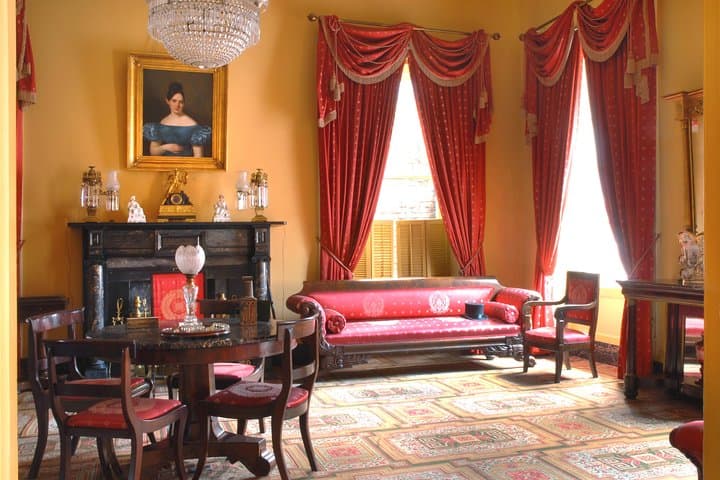
Built c.1831 with a Federalist façade, the Hermann-Grima House preserves both domestic spaces and urban slave quarters that reveal how slavery functioned within the city.
Historic preservation balances public access with artifact protection—follow house rules to limit wear on floors, textiles, and period finishes.
Hermann-Grima House operates guided outdoor trips and adventures with an emphasis on safety, stewardship, and memorable experiences.
Step through the carriage courtyard and the city quiet folds around the house: shutters click in the heat, the narrow St. Louis Street hums a block away, and an 1831 façade holds stories most visitors miss. The Urban Enslavement Tour at Hermann-Grima House centers the people who lived and worked within these brick walls — not as background, but as active makers of New Orleans’ urban fabric.
Step through the carriage courtyard and the city quiet folds around the house: shutters click in the heat, the narrow St. Louis Street hums a block away, and an 1831 façade holds stories most visitors miss. The Urban Enslavement Tour at Hermann-Grima House centers the people who lived and worked within these brick walls — not as background, but as active makers of New Orleans’ urban fabric.
The house’s Federalist façade and intact open-hearth kitchen are tangible links to a past when slavery operated differently in town than on distant plantations. Urban enslaved people had varied roles — household work, skilled trades, and commerce — and this tour traces those daily realities alongside the architectural features that shaped them: compact quarters, hidden service passages, and a courtyard that regulated visibility and labor.
Beyond architecture, the tour situates this property within 19th-century New Orleans: a port city of trade, creole culture, and layered legal regimes that affected freedom, family, and work. The carriage house’s Exchange Shop connects to women-led civic life after emancipation, offering another layer of social history.
Practical notes: the guided hour moves at a measured pace through narrow rooms and the courtyard; photography policies may limit flash and interiors. Wear comfortable shoes, plan for humidity, and allow time after the tour to explore nearby French Quarter sites that extend this history. The experience is both intimate and instructive — a guided hour that reshapes how you see a familiar street by centering the often overlooked labor and lives that built it.