THE ADVENTURE COLLECTIVE® · Independent discovery and booking for outdoor travel

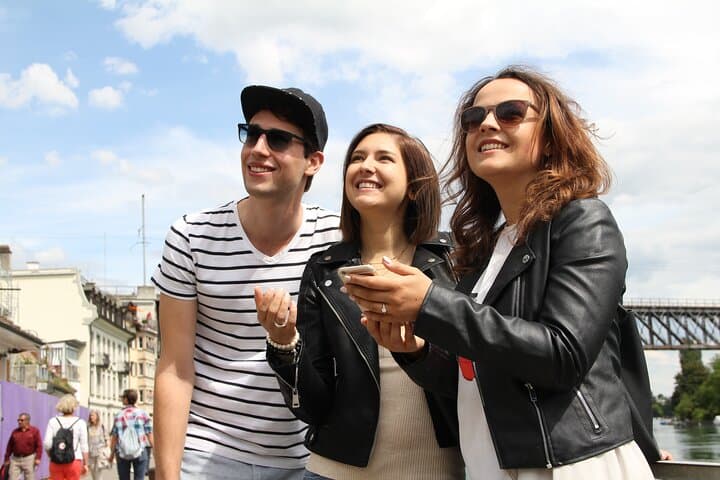
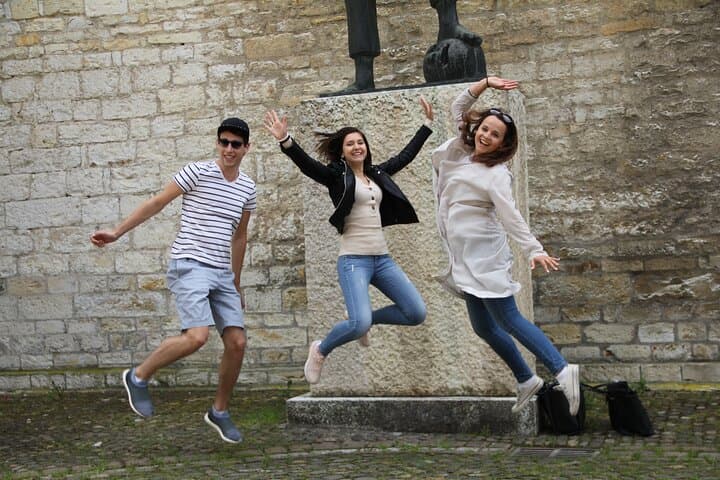
Explore Uppsala at your own pace with a smartphone-driven scavenger hunt that turns the city’s cathedral, castle, and academic streets into a puzzle. Solve clues, take creative photo tasks, and learn local history on a 1–2 hour self‑guided walk.
Explore Uppsala at your own pace with a smartphone-driven scavenger hunt that turns the city’s cathedral, castle, and academic streets into a puzzle. Solve clues, take creative photo tasks, and learn local history on a 1–2 hour self‑guided walk.
You step off the cobbles by the University Main Building with a code in your phone and a map that unfolds as you walk. The river Fyrisån slides through the city, daring you to follow its bridges; the cathedral’s twin spires keep time over narrow streets where students and cyclists thread past cafés.
Verified experiences and guided adventures in the surrounding area.
Operated by Explorial · Uppsala, Uppsala County
You step off the cobbles by the University Main Building with a code in your phone and a map that unfolds as you walk. The river Fyrisån slides through the city, daring you to follow its bridges; the cathedral’s twin spires keep time over narrow streets where students and cyclists thread past cafés.
This self-guided scavenger hunt stitches together Uppsala’s chapters: medieval Domkyrka, the 16th-century castle perched above the river, and the academic precinct that has shaped Swedish science and politics since the university’s founding in the 15th century. Geologically, Uppsala sits on the flat post‑glacial plains carved as ice retreated, with parkland and riverbanks that change character with the seasons.
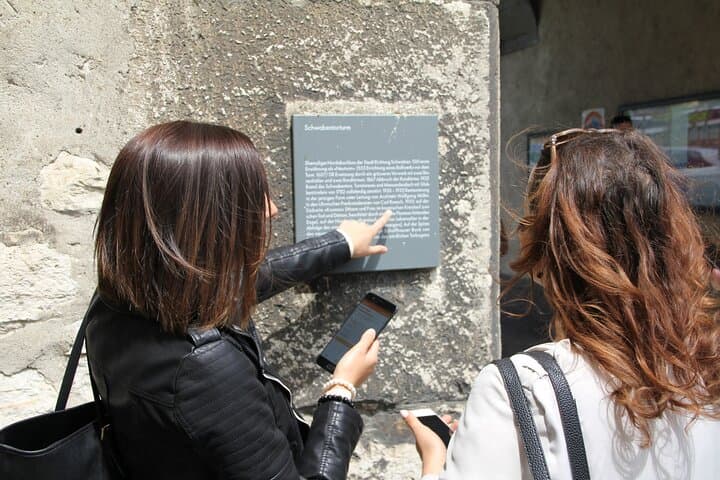
Cultural touchpoints—Güntherska’s classic café pastries, student nations, and plaques commemorating botanist Linnaeus—become clues in the game, turning history into a hands-on puzzle. The app nudges you to search signs, interpret plaques, and compose creative photos for bonus points.
Practical guidance: the route is walkable for most people and typically takes 1–2 hours; bring a charged smartphone, comfortable shoes, and small change if you plan to stop for fika. The experience is flexible—pause, detour to the castle grounds, or stretch the route into a longer urban stroll. Check weather and layer up; Swedish afternoons can flip from sun to wind fast. Start early to avoid peak foot traffic and give yourself time to read inscriptions and enjoy the city’s quieter corners.
easy.
1–2 hours.
Suitable for most fitness levels; requires only walking on paved and cobbled city streets.
Average completion time is 1–2 hours, but the experience is self‑paced—expect longer if you stop for coffee or visit attractions.
Yes—the app requires an access code provided after booking; download and test it before starting to avoid delays.
Much of the route uses paved streets, but some cobbled sections, steps, and narrow passages may be challenging; contact the operator if accessibility is essential.
This listing is offered in English; other language options depend on the app’s settings—check the app after purchase for additional languages.
Uppsala grew around its medieval cathedral and later became Sweden’s academic center when Uppsala University emerged in the 15th century, shaping national science and culture.
Respect historic sites by following signage and avoiding climbing on monuments; stay on public paths and dispose of waste to protect parklands and river habitats.
Explorial operates guided outdoor trips and adventures with an emphasis on safety, stewardship, and memorable experiences.
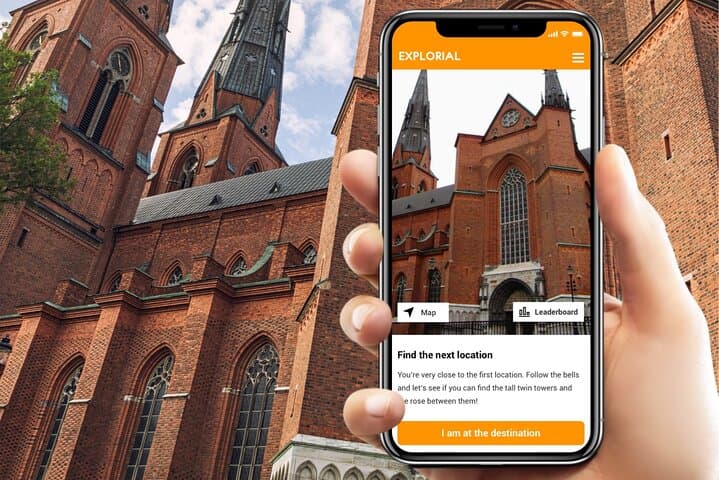
You step off the cobbles by the University Main Building with a code in your phone and a map that unfolds as you walk. The river Fyrisån slides through the city, daring you to follow its bridges; the cathedral’s twin spires keep time over narrow streets where students and cyclists thread past cafés.
You step off the cobbles by the University Main Building with a code in your phone and a map that unfolds as you walk. The river Fyrisån slides through the city, daring you to follow its bridges; the cathedral’s twin spires keep time over narrow streets where students and cyclists thread past cafés.
This self-guided scavenger hunt stitches together Uppsala’s chapters: medieval Domkyrka, the 16th-century castle perched above the river, and the academic precinct that has shaped Swedish science and politics since the university’s founding in the 15th century. Geologically, Uppsala sits on the flat post‑glacial plains carved as ice retreated, with parkland and riverbanks that change character with the seasons.
Cultural touchpoints—Güntherska’s classic café pastries, student nations, and plaques commemorating botanist Linnaeus—become clues in the game, turning history into a hands-on puzzle. The app nudges you to search signs, interpret plaques, and compose creative photos for bonus points.
Practical guidance: the route is walkable for most people and typically takes 1–2 hours; bring a charged smartphone, comfortable shoes, and small change if you plan to stop for fika. The experience is flexible—pause, detour to the castle grounds, or stretch the route into a longer urban stroll. Check weather and layer up; Swedish afternoons can flip from sun to wind fast. Start early to avoid peak foot traffic and give yourself time to read inscriptions and enjoy the city’s quieter corners.