THE ADVENTURE COLLECTIVE® · Independent discovery and booking for outdoor travel

Slip past islands rarely reached by commercial boats and trade rapids for close-up wildlife viewing on the upper Zambezi. This two-hour Livingstone river safari pairs heart-racing rapids with unhurried game and birding stops—perfect for photographers and nature-first travelers.
Slip past islands rarely reached by commercial boats and trade rapids for close-up wildlife viewing on the upper Zambezi. This two-hour Livingstone river safari pairs heart-racing rapids with unhurried game and birding stops—perfect for photographers and nature-first travelers.
Before the sun clears the rim of the floodplain, the boat slips from Livingstone into the upper Zambezi, water pushing against the hull like a living thing. Early light paints the riverbank golden; birds lift and scatter as the guide eases through a narrow island channel few commercial operators visit.
Verified experiences and guided adventures in the surrounding area.
Operated by Shepherd Taxi and Tours · Livingstone, Southern Province
Before the sun clears the rim of the floodplain, the boat slips from Livingstone into the upper Zambezi, water pushing against the hull like a living thing. Early light paints the riverbank golden; birds lift and scatter as the guide eases through a narrow island channel few commercial operators visit.
The Zambezi is an ancient artery carved through basalt and sandstone, its seasonal floods shaping channels and sandbars that attract concentrations of game. The river has carried people and stories for millennia — Tonga communities and later colonial explorers used these channels for transport and fishing — and the islands now host hippo pods, crocodiles, elephant crossing points and more than 400 bird species.
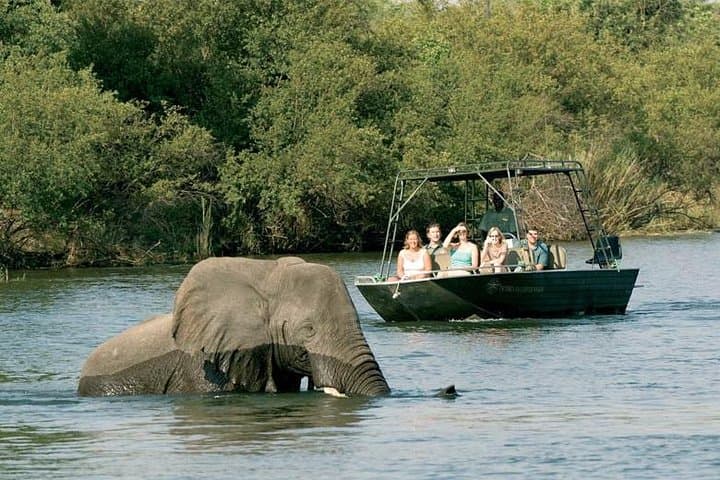
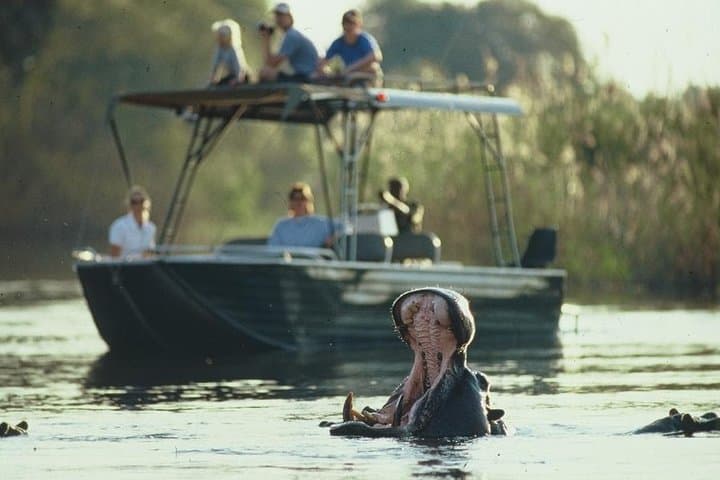
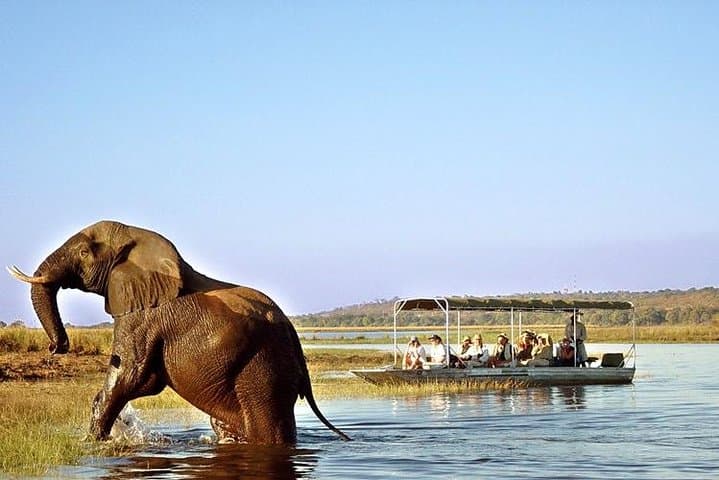
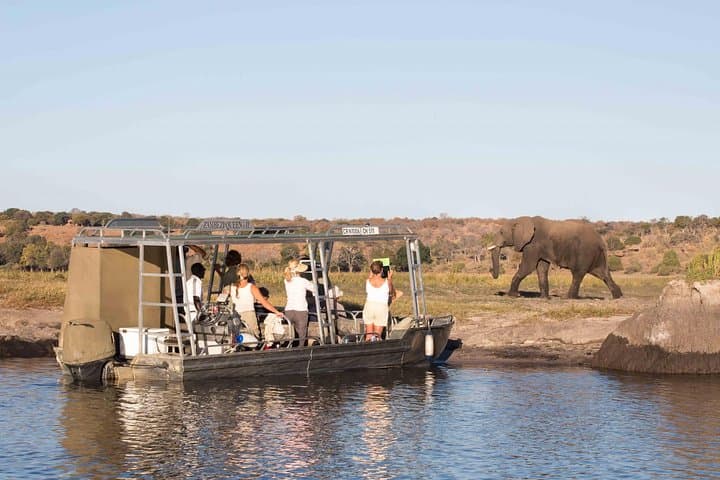
A typical two-hour safari balances adrenaline and quiet observation: a short stretch of rapids wakes the senses, then the motor slows for slow cruising and photographic stops along sheltered banks. Expect tight views of hippo heads lifting like rocks, elephant trunks reaching for riverine foliage and giraffe browsing islands at a distance. The guides know animal patterns, reading mud, dung and tracks as clearly as charts.
Practical notes: trips run early morning or around lunch, are wheelchair accessible, and suit all fitness levels. Bring sun protection and a fast lens for photos; keep a safe distance from waterline wildlife and follow guide instructions when the boat slows. Hydrate and layer — mornings are cool, midday can be hot — and allow extra time in Livingstone for transfers to the river launch.
This is a short, high-yield encounter with river wildlife that mixes brief thrills with prolonged, intimate viewing — the Zambezi daring you to watch closely and move quietly.
easy.
2 hours.
Suitable for all fitness levels; minimal exertion required beyond getting on/off the boat
The standard experience runs about two hours and typically departs early morning or at midday/lunchtime options to combine rapids with relaxed wildlife viewing.
Yes—participants often encounter hippo pods, crocodiles, and can sight elephant, giraffe, buffalo and various antelope depending on season and water levels.
Yes; the operator lists stroller and wheelchair accessibility and offers infant seats, though boarding assistance may be needed for some guests.
Bring a telephoto lens or binoculars, a waterproof camera bag, sunscreen, and heed guide instructions to stay seated and avoid dangling limbs near the waterline.
The upper Zambezi supported Tonga riverine communities and later became important to 19th-century explorers; proximity to Victoria Falls shaped colonial-era transport and tourism.
River health is vulnerable to upstream water use and invasive plants; responsible operators avoid disturbing animals and encourage reduced plastic use and proper waste disposal.
Shepherd Taxi and Tours operates guided outdoor trips and adventures with an emphasis on safety, stewardship, and memorable experiences.
Before the sun clears the rim of the floodplain, the boat slips from Livingstone into the upper Zambezi, water pushing against the hull like a living thing. Early light paints the riverbank golden; birds lift and scatter as the guide eases through a narrow island channel few commercial operators visit.
Before the sun clears the rim of the floodplain, the boat slips from Livingstone into the upper Zambezi, water pushing against the hull like a living thing. Early light paints the riverbank golden; birds lift and scatter as the guide eases through a narrow island channel few commercial operators visit.
The Zambezi is an ancient artery carved through basalt and sandstone, its seasonal floods shaping channels and sandbars that attract concentrations of game. The river has carried people and stories for millennia — Tonga communities and later colonial explorers used these channels for transport and fishing — and the islands now host hippo pods, crocodiles, elephant crossing points and more than 400 bird species.
A typical two-hour safari balances adrenaline and quiet observation: a short stretch of rapids wakes the senses, then the motor slows for slow cruising and photographic stops along sheltered banks. Expect tight views of hippo heads lifting like rocks, elephant trunks reaching for riverine foliage and giraffe browsing islands at a distance. The guides know animal patterns, reading mud, dung and tracks as clearly as charts.
Practical notes: trips run early morning or around lunch, are wheelchair accessible, and suit all fitness levels. Bring sun protection and a fast lens for photos; keep a safe distance from waterline wildlife and follow guide instructions when the boat slows. Hydrate and layer — mornings are cool, midday can be hot — and allow extra time in Livingstone for transfers to the river launch.
This is a short, high-yield encounter with river wildlife that mixes brief thrills with prolonged, intimate viewing — the Zambezi daring you to watch closely and move quietly.