THE ADVENTURE COLLECTIVE® · Independent discovery and booking for outdoor travel

Walk the Upper West Side with a local who peers past marquee landmarks to reveal hidden architectural details, cultural backstories, and quieter corners of the neighborhood. This 90‑minute private tour balances street‑level storytelling with practical tips for navigating the area.
Walk the Upper West Side with a local who peers past marquee landmarks to reveal hidden architectural details, cultural backstories, and quieter corners of the neighborhood. This 90‑minute private tour balances street‑level storytelling with practical tips for navigating the area.
You step out from the museum steps and the city opens like a well-read book — façades lean forward, cornices gossip, and Central Park exhales a line of trees that dares you to pause.
Verified experiences and guided adventures in the surrounding area.
Operated by Jeremy ciment · New York, NY
You step out from the museum steps and the city opens like a well-read book — façades lean forward, cornices gossip, and Central Park exhales a line of trees that dares you to pause.
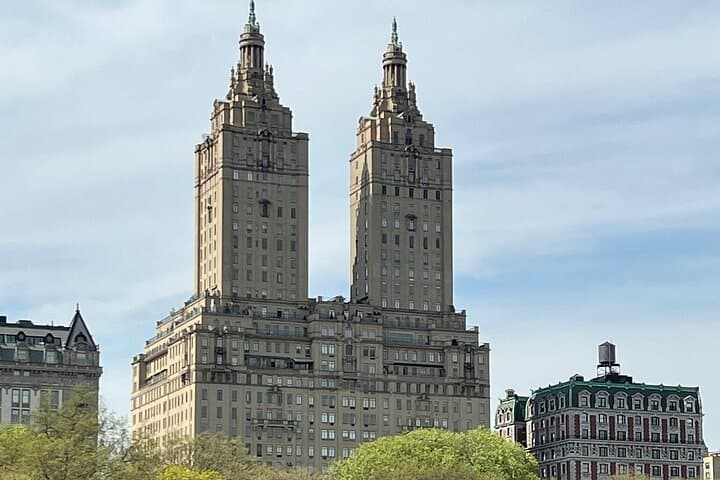
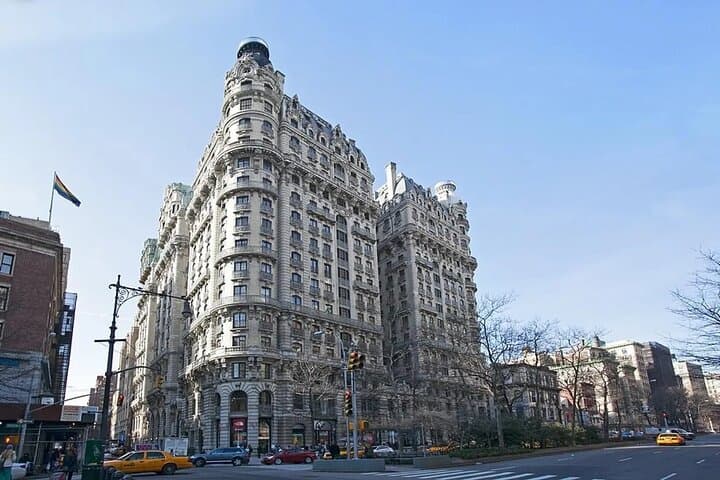
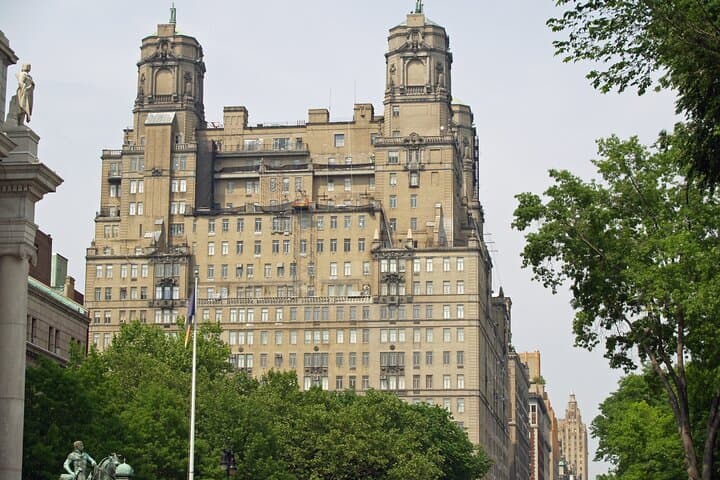
This ninety-minute walk traces blocks where Gilded Age ambition met practical New York life: Beaux-Arts palaces, Art Deco towers, and rowhouse stoops that mark late 19th- and early 20th-century development. The route passes the Dakota, the San Remo, the Beresford and lesser-known brownstone courts, each facade a chapter in the neighborhood’s social history — from luxury apartments for the newly wealthy to apartments that later housed artists and activists.
Geology is subtle here: Manhattan’s schist rises beneath Broadway, guiding street grades and the placement of grand stoops; Central Park, designed by Olmsted and Vaux, interrupts the urban grid with engineered landscapes and curated views. Culturally, the Upper West Side has long been a crossroads of intellectual life — museums, music, and theaters sit a short walk apart, shaping both building form and public life.
Practical guidance: expect steady sidewalk walking, uneven tree roots near park edges, and frequent curbside crowds. Wear supportive shoes and bring a transit card for quick exits. The guide points out architectural details you’ll miss alone — cornice modillions, telltale cast-iron storefronts, and discreet plaques — and explains how landmark protections have preserved façades while interiors evolved.
This tour suits curious walkers who want history served street-by-street, not as a classroom lecture but as a paced stroll through a city that keeps its past in plain sight.
easy.
1.5 hours (90 minutes).
Suitable for most fitness levels—expect 1–2 miles of urban walking with frequent stops
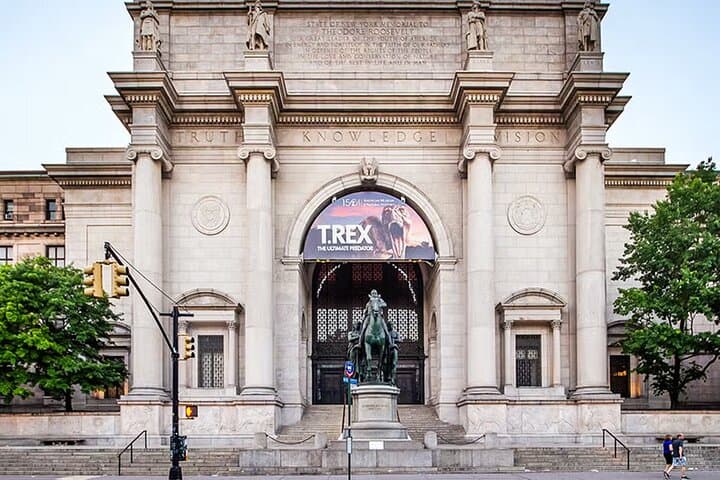
The meeting spot is on the front steps/plaza of the American Museum of Natural History near the giant globe; the guide will confirm the exact corner when you book.
The route uses sidewalks and curb cuts and is listed as stroller accessible; contact the operator for specific wheelchair-accommodation needs.
Yes — exterior photography is welcome; be mindful of private residents and do not enter restricted lobbies without permission.
Full refund if canceled at least 24 hours before the scheduled departure; no refund within 24 hours.
The Upper West Side grew quickly in the late 19th and early 20th centuries as apartment living replaced single-family townhouses; many landmarked buildings reflect that Gilded Age expansion and later cultural shifts.
Local preservation is driven by the Landmarks Preservation Commission and community groups; visitors should respect private property and help reduce wear on public parkland.
Jeremy ciment operates guided outdoor trips and adventures with an emphasis on safety, stewardship, and memorable experiences.
You step out from the museum steps and the city opens like a well-read book — façades lean forward, cornices gossip, and Central Park exhales a line of trees that dares you to pause.
You step out from the museum steps and the city opens like a well-read book — façades lean forward, cornices gossip, and Central Park exhales a line of trees that dares you to pause.
This ninety-minute walk traces blocks where Gilded Age ambition met practical New York life: Beaux-Arts palaces, Art Deco towers, and rowhouse stoops that mark late 19th- and early 20th-century development. The route passes the Dakota, the San Remo, the Beresford and lesser-known brownstone courts, each facade a chapter in the neighborhood’s social history — from luxury apartments for the newly wealthy to apartments that later housed artists and activists.
Geology is subtle here: Manhattan’s schist rises beneath Broadway, guiding street grades and the placement of grand stoops; Central Park, designed by Olmsted and Vaux, interrupts the urban grid with engineered landscapes and curated views. Culturally, the Upper West Side has long been a crossroads of intellectual life — museums, music, and theaters sit a short walk apart, shaping both building form and public life.
Practical guidance: expect steady sidewalk walking, uneven tree roots near park edges, and frequent curbside crowds. Wear supportive shoes and bring a transit card for quick exits. The guide points out architectural details you’ll miss alone — cornice modillions, telltale cast-iron storefronts, and discreet plaques — and explains how landmark protections have preserved façades while interiors evolved.
This tour suits curious walkers who want history served street-by-street, not as a classroom lecture but as a paced stroll through a city that keeps its past in plain sight.