THE ADVENTURE COLLECTIVE® · Independent discovery and booking for outdoor travel

Charge into the upper Urubamba’s whitewater on a full-day rafting run from Cusco—17 km of waves and rapids with a riverside picnic and Andean scenery. Learn which season matches your skill level and what to pack before you go.
Charge into the upper Urubamba’s whitewater on a full-day rafting run from Cusco—17 km of waves and rapids with a riverside picnic and Andean scenery. Learn which season matches your skill level and what to pack before you go.
The river arrives before the road does: a rush of clear, cold water threading through steep Andean slopes as your van eases into the Chuquicahuana put-in. Morning light strikes terraces and scrubby eucalyptus; guides unload rafts and hand out helmets while the Urubamba rumbles and dares you downstream.
Verified experiences and guided adventures in the surrounding area.
Operated by CrossoverPeru Tours · Cusco, Cusco
The river arrives before the road does: a rush of clear, cold water threading through steep Andean slopes as your van eases into the Chuquicahuana put-in. Morning light strikes terraces and scrubby eucalyptus; guides unload rafts and hand out helmets while the Urubamba rumbles and dares you downstream.
This upper section of the Urubamba—its Quechua name often translated as the "golden river"—cuts through volcanic and sedimentary rock carved during the Pleistocene uplift. The canyon walls here still show folded strata and alluvial benches where pre-Inca and Inca communities farmed and moved goods along river corridors. Local Quechua-speaking villages retain crafts, small chacras (plots) and seasonal rhythms tied to the river.
Expect 17 km (9 miles) of continuous rapids and waves: in the wet season (roughly December–May) the river runs higher and throws Class III–IV challenges; the dry season (June–November) offers more forgiving Class II–III stretches ideal for newcomers. A professional guide issues gear, leads paddling commands and times safety stops; plan for about 2–2.5 hours on the water and a homemade picnic after the run.
Practicalities: arrive dry-clothed and ready to get wet; footwear that stays on and a low-profile daypack or dry bag are essential. Hydrate at altitude before departure (Cusco sits above 3,300 m), and allot time for the 1 hour 45 minute transfer from Cusco. Listen to your guide, respect the river’s current, and treat riverside camps and farms with Leave No Trace etiquette to keep this section wild for the next group.
moderate.
8 hours.
Moderate fitness; comfortable with repetitive paddling, stable balance and basic swimming ability at altitude.
The transfer is about 1 hour 45 minutes each way; expect pickup around 8:00 a.m. and return by mid-to-late afternoon.
This is a guide-led trip suitable for beginners with moderate fitness during the dry season; wet-season runs increase to Class IV and require stronger paddling and confidence in moving water.
Yes — a homemade picnic lunch is included at the riverside after the rafting section concludes.
Infants must sit on an adult’s lap and the operator advises participants be in moderate physical condition; check age and safety rules with the provider before booking.
The Urubamba corridor was integral to pre-Columbian travel and trade; the river valley connects highland agricultural communities and the Inca network that fed larger centers like Cusco.
Operators are encouraged to use biodegradable products and pack out waste; stay on established launch and take-out sites to limit bank erosion and disturbance to riverine plants.
CrossoverPeru Tours operates guided outdoor trips and adventures with an emphasis on safety, stewardship, and memorable experiences.
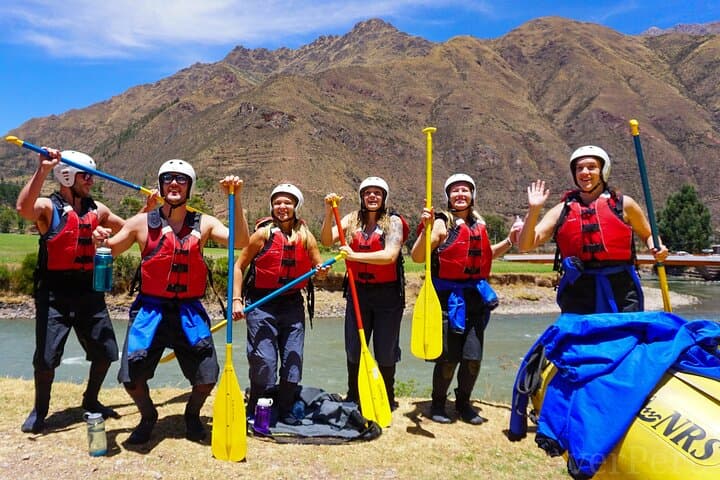
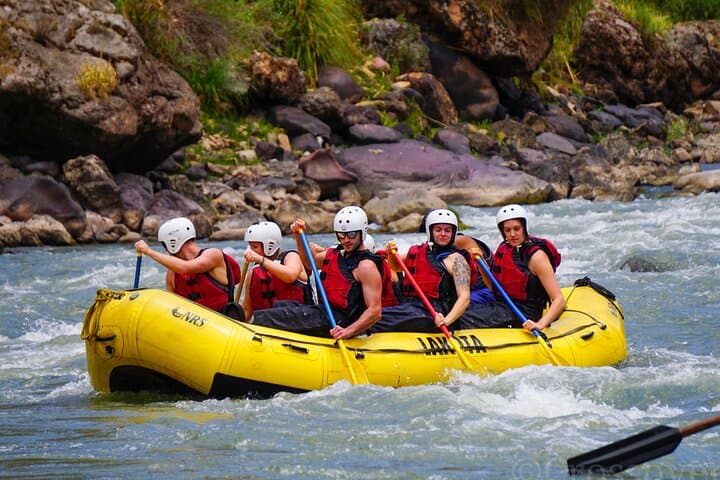
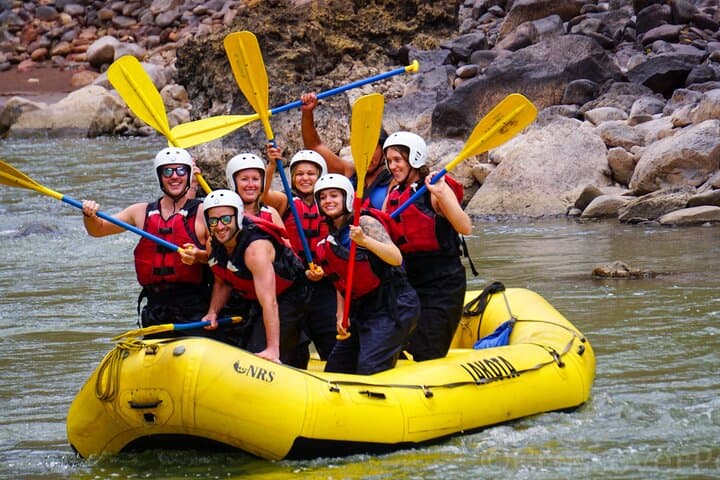
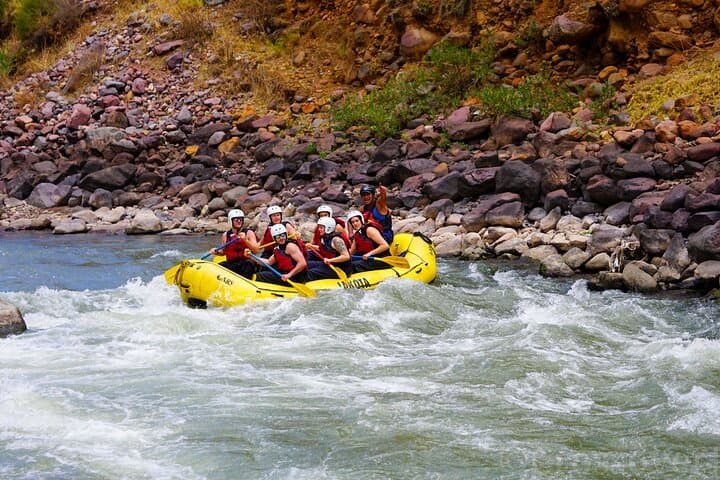
The river arrives before the road does: a rush of clear, cold water threading through steep Andean slopes as your van eases into the Chuquicahuana put-in. Morning light strikes terraces and scrubby eucalyptus; guides unload rafts and hand out helmets while the Urubamba rumbles and dares you downstream.
The river arrives before the road does: a rush of clear, cold water threading through steep Andean slopes as your van eases into the Chuquicahuana put-in. Morning light strikes terraces and scrubby eucalyptus; guides unload rafts and hand out helmets while the Urubamba rumbles and dares you downstream.
This upper section of the Urubamba—its Quechua name often translated as the "golden river"—cuts through volcanic and sedimentary rock carved during the Pleistocene uplift. The canyon walls here still show folded strata and alluvial benches where pre-Inca and Inca communities farmed and moved goods along river corridors. Local Quechua-speaking villages retain crafts, small chacras (plots) and seasonal rhythms tied to the river.
Expect 17 km (9 miles) of continuous rapids and waves: in the wet season (roughly December–May) the river runs higher and throws Class III–IV challenges; the dry season (June–November) offers more forgiving Class II–III stretches ideal for newcomers. A professional guide issues gear, leads paddling commands and times safety stops; plan for about 2–2.5 hours on the water and a homemade picnic after the run.
Practicalities: arrive dry-clothed and ready to get wet; footwear that stays on and a low-profile daypack or dry bag are essential. Hydrate at altitude before departure (Cusco sits above 3,300 m), and allot time for the 1 hour 45 minute transfer from Cusco. Listen to your guide, respect the river’s current, and treat riverside camps and farms with Leave No Trace etiquette to keep this section wild for the next group.