THE ADVENTURE COLLECTIVE® · Independent discovery and booking for outdoor travel

Float nine miles of the Upper Skagit with guides who balance safety and fun—glacial views, manageable rapids and a strong dose of local history. Ideal for first-timers and families ready to learn on moving water.
Float nine miles of the Upper Skagit with guides who balance safety and fun—glacial views, manageable rapids and a strong dose of local history. Ideal for first-timers and families ready to learn on moving water.
The river arrives before you do: cold, clear water threading between high, glacier-scarred walls as the raft slides into current. On the Upper Skagit, the forest leans forward and the river dares you to pay attention—rock-strewn waves punch and ease in a steady rhythm that makes beginners grin and repeat lines from the guide.
Verified experiences and guided adventures in the surrounding area.
Operated by Triad River Tours - Day Tours · Marblemount, Washington
The river arrives before you do: cold, clear water threading between high, glacier-scarred walls as the raft slides into current. On the Upper Skagit, the forest leans forward and the river dares you to pay attention—rock-strewn waves punch and ease in a steady rhythm that makes beginners grin and repeat lines from the guide.
This nine-mile run threads through the most glaciated watershed in the lower 48 and sits inside the cultural landscape of the Skagit people. Geology is visible here—U-shaped valleys, boulders dropped by ancient ice, terraces carved by seasonal floods. Early loggers and miners pushed roads into these river corridors; today the river’s power is the main draw, not extractive industry.
Locals know the river for approachable whitewater: rapids that feel alive but are manageable under a practiced guide. Seasonal snowmelt raises flows in late spring; by midsummer the channel relaxes but keeps technical sections that teach boat control and quick decision-making.
Practical tips: arrive with closed-toe river shoes, dress in quick-dry layers, and bring a refillable water bottle you can secure to the raft. Expect 3–4 hours total; allow extra time for a safety briefing and gear. Wetsuits may be required early in the season; life jackets and medical gear are provided. If you’re traveling with kids, note minimums (age 5, 50 lbs) and tell operators about anyone under 90 lbs so they fit a correct PFD.
This trip is an entry point—an active, guided way to learn rafting technique while moving through a raw, glacially influenced river corridor.
moderate.
3–4 hours.
Moderate cardiovascular fitness and ability to sit and brace for up to two hours on the raft; children must meet age/weight minimums.
Minimum age is 5 years and minimum weight is 50 lbs; guests under 90 lbs require a specific life jacket—declare weights when booking.
Wetsuit rental is required during early season and is available (typically an additional fee); in warmer months they’re optional but recommended for cold-water tolerance.
No—this is an introductory trip with guided instruction; basic swimming ability and following guide commands are all that’s required.
Trips operate in a range of weather; operators may cancel if conditions are unsafe or if minimum guest numbers aren’t met. All sales are final per operator policy, so check the provider’s cancellation terms before booking.
The Skagit River valley is within ancestral Skagit tribal territory and later saw logging and mining; the river’s glacial history shaped the steep valleys and braided channels.
The run passes through or adjacent to protected North Cascades landscapes—pack out all trash (no loose plastics on the river) and follow guide instructions to minimize disturbance to wildlife and riverbanks.
Triad River Tours - Day Tours operates guided outdoor trips and adventures with an emphasis on safety, stewardship, and memorable experiences.
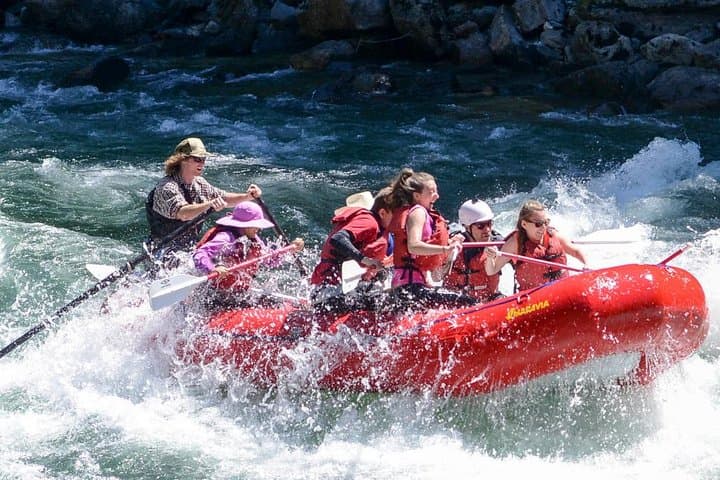
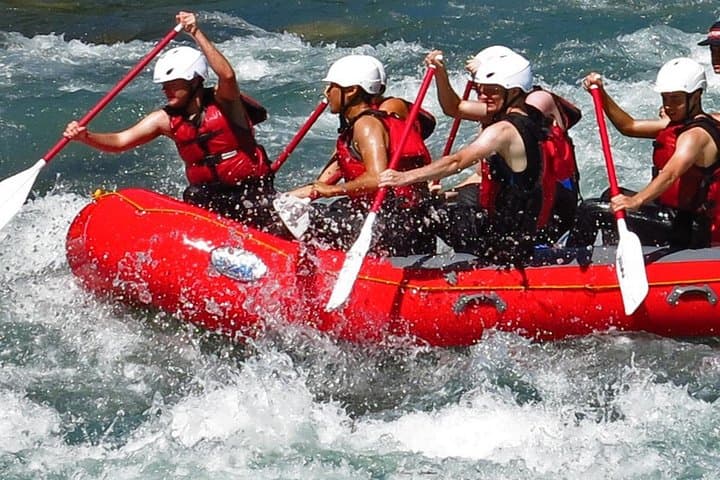
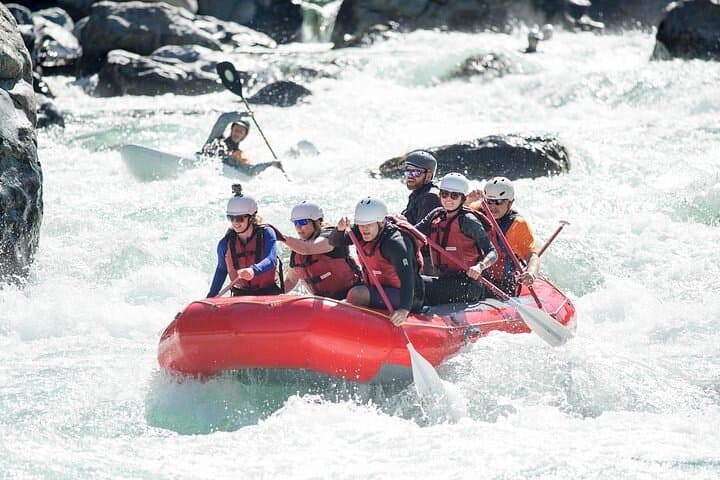
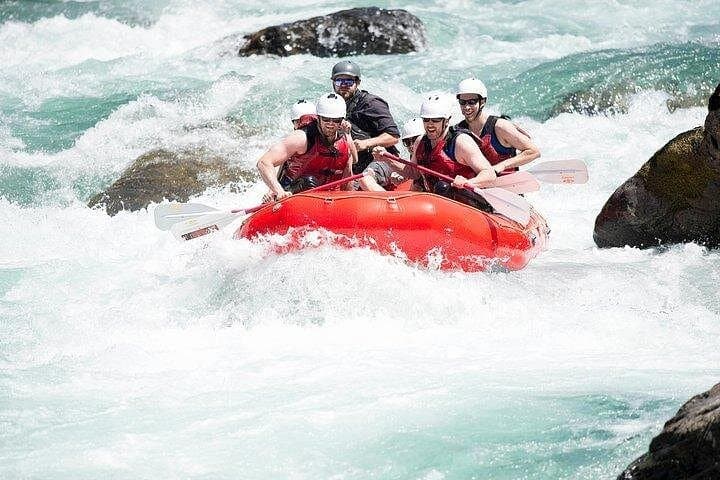
The river arrives before you do: cold, clear water threading between high, glacier-scarred walls as the raft slides into current. On the Upper Skagit, the forest leans forward and the river dares you to pay attention—rock-strewn waves punch and ease in a steady rhythm that makes beginners grin and repeat lines from the guide.
The river arrives before you do: cold, clear water threading between high, glacier-scarred walls as the raft slides into current. On the Upper Skagit, the forest leans forward and the river dares you to pay attention—rock-strewn waves punch and ease in a steady rhythm that makes beginners grin and repeat lines from the guide.
This nine-mile run threads through the most glaciated watershed in the lower 48 and sits inside the cultural landscape of the Skagit people. Geology is visible here—U-shaped valleys, boulders dropped by ancient ice, terraces carved by seasonal floods. Early loggers and miners pushed roads into these river corridors; today the river’s power is the main draw, not extractive industry.
Locals know the river for approachable whitewater: rapids that feel alive but are manageable under a practiced guide. Seasonal snowmelt raises flows in late spring; by midsummer the channel relaxes but keeps technical sections that teach boat control and quick decision-making.
Practical tips: arrive with closed-toe river shoes, dress in quick-dry layers, and bring a refillable water bottle you can secure to the raft. Expect 3–4 hours total; allow extra time for a safety briefing and gear. Wetsuits may be required early in the season; life jackets and medical gear are provided. If you’re traveling with kids, note minimums (age 5, 50 lbs) and tell operators about anyone under 90 lbs so they fit a correct PFD.
This trip is an entry point—an active, guided way to learn rafting technique while moving through a raw, glacially influenced river corridor.